
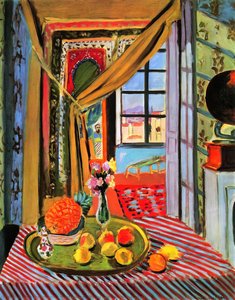
The Genesis of Glamour: Art Deco's Historical Roots
Art Deco, short for the French Arts décoratifs (lit. 'Decorative Arts'), is a style of visual arts, architecture, and product design that first appeared in Paris in the 1910s just before World War I and flourished internationally during the 1920s to ...
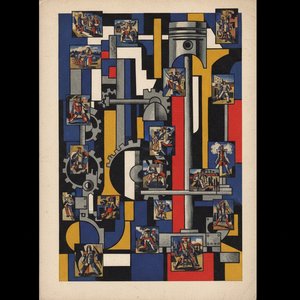
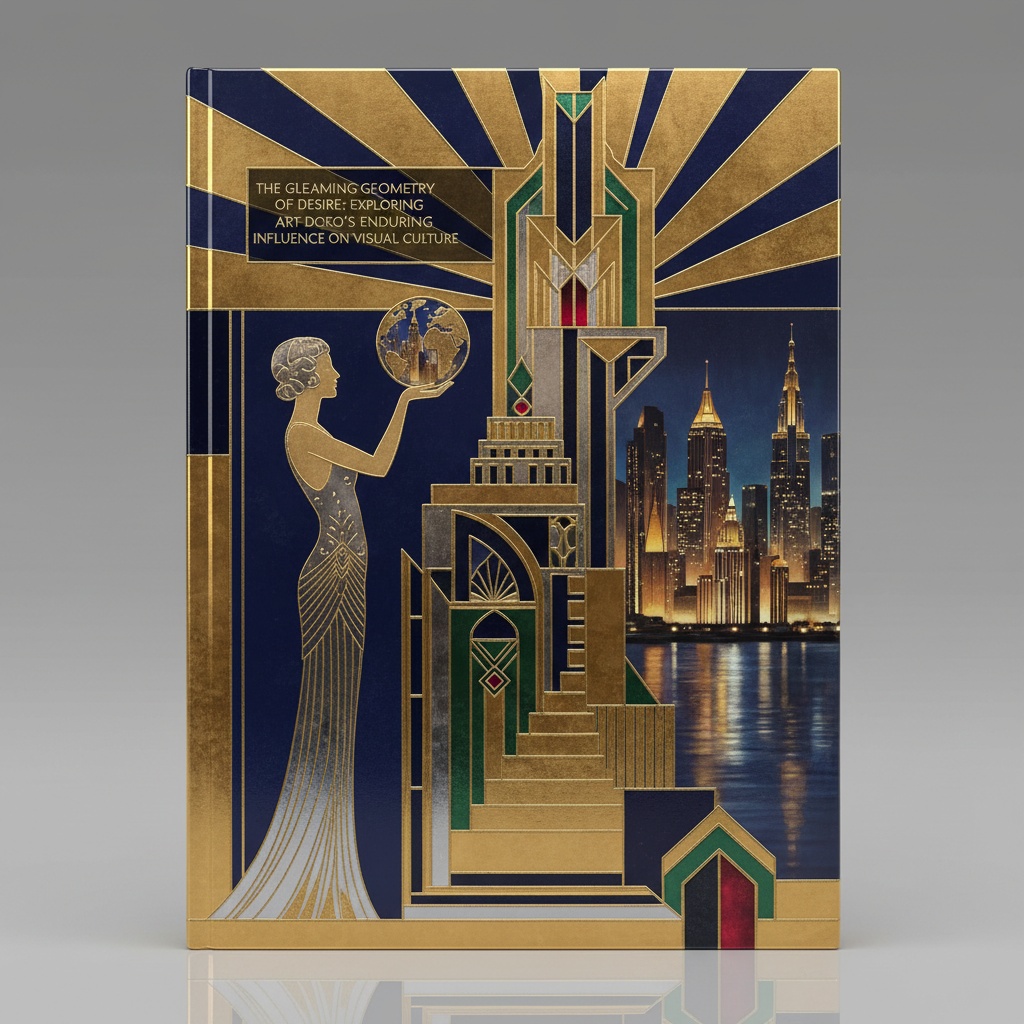
Art Deco, a name synonymous with opulence, sophistication, and the roaring energy of the 1920s and 30s, wasn’t born in a vacuum. Its roots are surprisingly complex, a fascinating confluence of artistic rebellion and technological optimism. Emerging from the ashes of World War I, a period marked by profound loss and societal upheaval, Art Deco represented a deliberate shift away from the organic forms of Art Nouveau towards a celebration of modernity, industry, and progress. The seeds were sown in pre-war movements like Cubism, Futurism, and the Vienna Secession – each contributing to its distinctive vocabulary of geometric shapes and bold lines. However, it wasn’t merely an aesthetic evolution; it was a cultural response, a desire for renewal and a belief in the power of design to shape a brighter future. The 1925 Exposition Internationale des Arts Décoratifs et Industriels Modernes in Paris – from which the style derives its name – served as a dazzling showcase for this new vision, solidifying Art Deco’s position on the global stage.
Geometric Flourishes & Luxurious Materials: Defining the Aesthetic
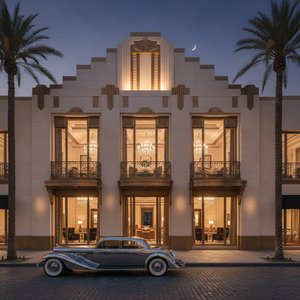
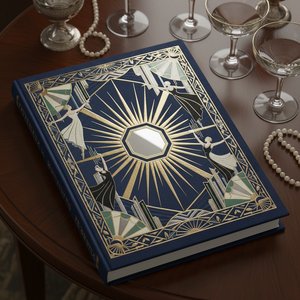
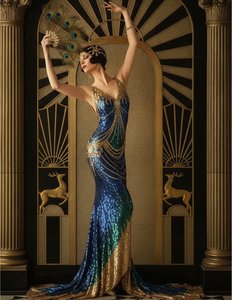
The visual language of Art Deco is immediately recognizable. It's a symphony of symmetry, streamlined forms, and rich ornamentation. Forget the flowing tendrils of its predecessor; Art Deco favored sharp angles, stepped patterns reminiscent of ziggurats, and sunburst motifs that radiated energy and vitality. This geometric precision wasn’t simply about aesthetics; it reflected the era’s fascination with technology – the machine age, skyscrapers reaching for the heavens, and the sleek lines of automobiles and ocean liners. But Art Deco was never solely about cold functionality. It embraced luxury with unbridled enthusiasm, incorporating exotic materials like ebony, ivory, chrome, stainless steel, and rare woods into its designs. Inlaid wood veneer, shimmering glass, and polished metal surfaces created an atmosphere of unparalleled glamour. The interplay between these contrasting elements – the precision of geometry and the indulgence of lavish materials – is what defines Art Deco’s unique allure.
Jazz Age Rhythms & Streamline Moderne: The Cultural Context of Art Deco
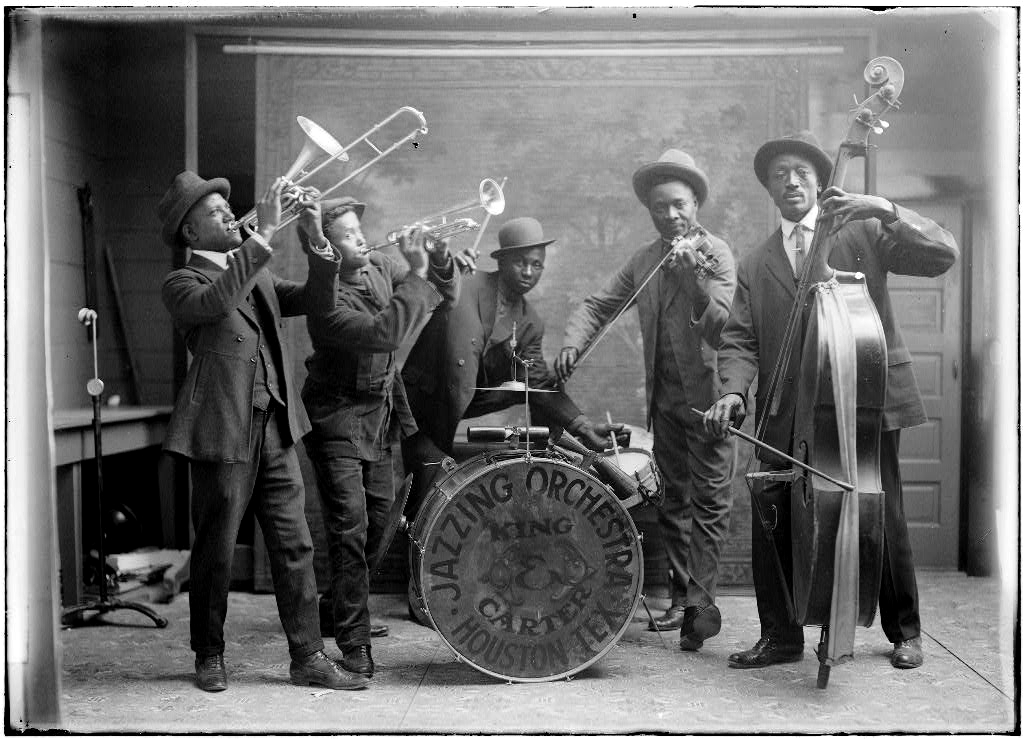 Wikipedia: Jazz Age
The Jazz Age was a period from 1920 to the early 1930s in which jazz music and dance styles gained worldwide popularity. The Jazz Age's cultural repercussions were primarily felt in the United States, the birthplace of jazz. Originating in New Orlean...
Art Deco didn't exist in isolation; it was inextricably linked to the cultural currents of its time. The “Jazz Age,” with its infectious rhythms and liberated spirit, provided a vibrant soundtrack for the movement. Jazz music, born from African American communities in New Orleans, embodied a sense of freedom, improvisation, and modernity that resonated deeply with Art Deco’s aesthetic sensibilities. Speakeasies, clandestine clubs fueled by Prohibition-era defiance, became havens for jazz musicians and art deco enthusiasts alike. Simultaneously, as the Great Depression cast its shadow over the world, a more streamlined iteration of Art Deco emerged – Streamline Moderne. This style, often referred to as “style paquebot” in France, drew inspiration from the aerodynamic designs of luxury ocean liners like the SS Normandie. Long horizontal lines, curving forms, and nautical elements conveyed a sense of speed, efficiency, and optimism during a period of economic hardship. It was a visual promise of progress, even amidst adversity.
Matisse and the Decorative Arts: A Fauvist Influence on Form and Color
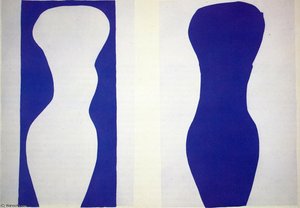 Formes Gouache découpée pour Jazz Paris, Musée national d'Art Moderne
Explore Henri Matisse’s ‘Formes Gouache découpée pour Jazz Paris’. A vibrant Fauvist masterpiece featuring cut-out shapes & bold colors. Discover this iconic artwork today!
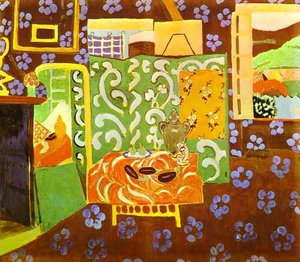
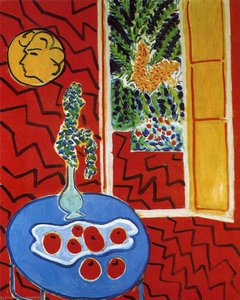
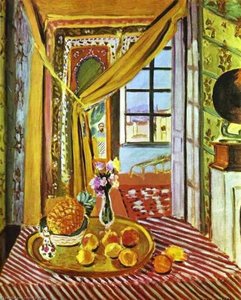
While often associated with geometric precision, Art Deco also benefited from the vibrant color palettes and bold forms pioneered by artists like Henri Matisse. His groundbreaking work in Fauvism – characterized by its intense, non-naturalistic colors and simplified shapes – profoundly influenced the decorative arts of the early 20th century. Consider his series *Jazz Paris*, created between 1930 and 1931. These gouache découpée (cut-paper) compositions, such as “Formes Gouache Découpée pour Jazz Paris,” “Le Destin,” and “La Nageuse dans l'Aquarium”, exemplify the movement’s embrace of bold color, dynamic composition, and playful abstraction. Matisse’s ability to distill complex forms into their essential elements – his use of flat planes of color and rhythmic patterns – resonated with Art Deco designers seeking to create visually striking and emotionally engaging spaces. These works weren’t merely decorative; they were explorations of form, color, and the expressive power of art itself.
Art Deco’s Enduring Legacy: From Architecture to Contemporary Design
The influence of Art Deco extends far beyond the 1920s and 30s. Its aesthetic principles continue to shape our visual landscape today. Iconic structures like New York City's Chrysler Building stand as enduring monuments to the style, their soaring spires and geometric ornamentation instantly recognizable symbols of ambition and modernity. Miami Beach boasts the largest concentration of Art Deco architecture in the world, a testament to its lasting appeal. But Art Deco’s legacy isn’t limited to buildings; it permeates fashion, jewelry, furniture design, and graphic arts. Contemporary designers frequently draw inspiration from Art Deco motifs – incorporating geometric patterns, luxurious materials, and streamlined forms into their creations. The style's emphasis on craftsmanship, elegance, and timeless beauty ensures its continued relevance in a world increasingly dominated by fleeting trends.
Collecting Art Deco: Investing in a Timeless Style
For the discerning collector, Art Deco presents a unique opportunity to invest in pieces that are both aesthetically beautiful and historically significant. From furniture and lighting fixtures to ceramics, glassware, and paintings, the range of collectible items is vast and diverse. When building an Art Deco collection, it’s important to consider authenticity, condition, and provenance. Pieces from renowned designers like Émile-Jacques Ruhlmann, René Lalique, and Erté command high prices due to their exceptional quality and rarity. However, there are also opportunities to acquire more affordable pieces that still capture the spirit of the era. Understanding the different sub-styles within Art Deco – such as Streamline Moderne or French Decorative Arts – can help you refine your focus and build a cohesive collection. At ArtsDot.com, we offer a curated selection of high-quality reproductions, allowing you to experience the glamour of Art Deco in your own home. Whether you’re seeking a statement piece for your living room or a unique gift for a loved one, our team of experts can help you find the perfect artwork to complement your style and budget. We also provide free art consultation, custom reproductions from photos, and art appraisal services to ensure you make informed decisions. Explore our collection today and discover the timeless allure of Art Deco.