

The Essence of Art Deco: A Symphony of Geometry and Glamour
To step into the world of Art Deco is to enter a realm where modernity meets an unapologetic celebration of luxury. Emerging from the ashes of the Great War, this movement was far more than a mere aesthetic trend; it was a profound cultural shift toward optimism, speed, and the sleek sophistication of the machine age. Unlike the flowing, organic whimsy of Art Nouveau, Art Deco embraced the precision of geometry, utilizing sharp lines, symmetrical patterns, and bold architectural forms to evoke a sense of structured grandeur.
The movement drew inspiration from a diverse tapestry of influences, ranging from the exoticism of ancient Egyptian motifs discovered in Tutankhamun's tomb to the streamlined efficiency of contemporary locomotives and skyscrapers. This era was defined by a desire to harmonize the industrial with the artisanal, creating a visual language that felt both cutting-edge and eternally classic. When we observe an Art Deco masterpiece today, we are not merely looking at decoration; we are witnessing a rhythmic dance of light and shadow, where every angle is calculated to inspire awe and every surface reflects the shimmering promise of a new, gilded century.
Erté and the Art of Elegance: Defining the Decadent Silhouette
No discussion of Art Deco glamour can truly begin without paying homage to the incomparable mastery of Erté. A titan of fashion illustration and theatrical design, Erté possessed an uncanny ability to transform the human form into a poetic extension of geometric grace. His works, such as the mesmerizing Alphabet A, showcase a captivating woman captured in dynamic, fluid poses that seem to defy gravity, draped in intricate, stylized garments that define the very essence of the era's decadence.
In pieces like After the Rain, one can observe his signature use of bold color and theatrical lighting, where a splash of vibrant red against a structured background creates a dramatic tension that is both seductive and sophisticated. His ability to blend the organic curves of the female silhouette with the rigid, stylized elements of Art Deco design—seen vividly in works like Aphrodite—creates a sense of mythic timelessness. Through his eyes, fashion became architecture, and every line served to elevate the subject into a realm of pure, unadulterated elegance, making his illustrations much more than mere sketches; they were blueprints for an idealized way of life.
Sculpting Modernity: The Innovative Mastery of Jean Dunand
While Erté captured the ethereal spirit of fashion, Jean Dunand anchored the Art Deco movement in the tactile reality of exquisite craftsmanship. A leading figure in the decorative arts, Dunand was a virtuoso of texture and material, pushing the boundaries of what could be achieved through lacquer, bronze, and ivory. His work represents the pinnacle of the movement's commitment to high-end artistry, where the medium itself becomes a protagonist in the storytelling process.
Dunand is perhaps most celebrated for his innovative use of lacquer, a technique that required immense patience and precision to achieve a depth and luster that felt almost liquid. His iconic creations, such as the Grand Paon screen, demonstrate how he could manipulate light across complex, layered surfaces to create a sense of movement within a static object. By integrating bold, geometric motifs with the rich, dark tones of his lacquerwork, Dunand achieved a level of sculptural sophistication that bridged the gap between fine art and functional design, leaving behind a legacy of objects that are as much about the mastery of substance as they are about the beauty of form.
The Art Deco Palette: Bold Colors and Luxurious Textures in Design
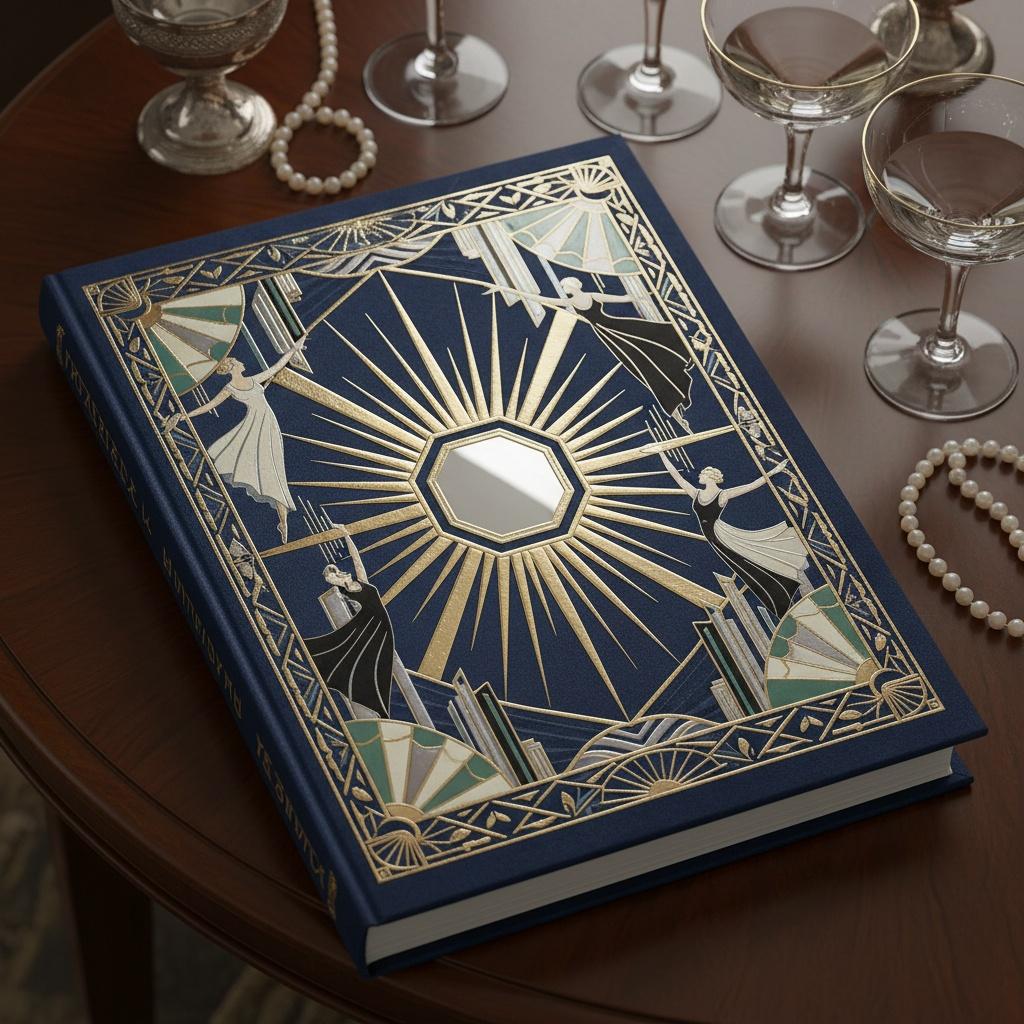
The visual impact of Art Deco is inextricably linked to its daring use of color and texture. This was an era that rejected the muted, somber tones of the past in favor of a palette that could command attention in the grand ballrooms and metropolitan lounges of the 1920s and 30s. High-contrast combinations—such as deep obsidian black paired with brilliant gold, or creamy ivory set against striking emerald green—were utilized to create a sense of drama and rhythmic energy.
Beyond color, the movement relied heavily on the interplay of luxurious textures to convey wealth and modernity. The smoothness of polished chrome and glass was often juxtaposed against the rich, tactile depth of heavy silks, exotic woods, and inlaid metals. This sensory complexity ensured that an Art Deco space or object was never static; it changed with the light, offering different facets of beauty depending on the viewer's perspective. It is this deliberate layering of visual and tactile richness that allows Art Deco to remain so profoundly captivating to the modern eye, offering a sense of opulence that feels both substantial and exquisitely refined.
Integrating Art Deco Masterpieces into the Contemporary Luxury Interior
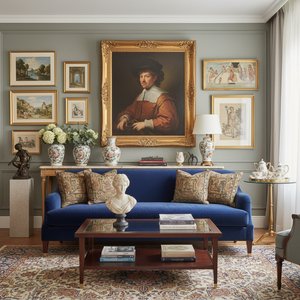
In the context of modern interior design, the integration of Art Deco masterpieces offers an unparalleled opportunity to infuse a space with character and historical weight. For the contemporary collector, these works serve as powerful focal points that can anchor a room, providing a sense of continuity between the heritage of the past and the minimalism of the present. A single, large-scale reproduction of an Erté painting can transform a neutral, modern lounge into a sophisticated gallery of personal taste.
The key to successful integration lies in balance. Rather than overwhelming a room with period-specific clutter, the most elegant approach involves using Art Deco elements as curated accents within a streamlined environment. Whether it is through the use of multi-panel group paintings that span a wide architectural feature or the placement of a textured, high-quality print that echoes the color palette of contemporary furnishings, these pieces bring a "living" quality to the home. By celebrating the bold lines and luxurious spirit of this era, one can create an interior that does not merely follow trends but instead embodies a timeless, curated excellence.
At ArtsDot.com, we are dedicated to preserving this legacy of human creativity. From meticulously hand-painted oil reproductions that capture the tactile impasto of the masters to museum-grade Giclée prints designed for longevity, our mission is to make the grandeur of art history accessible to the modern connoisseur. Whether you are seeking a bespoke commission to transform a personal memory or looking to adorn your home with the iconic silhouettes of the Art Deco era, our expertise ensures that every piece we deliver is a testament to true artistic excellence.