The Rise of Early Netherlandish Painting: A New Artistic Dawn
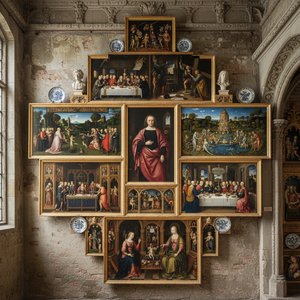
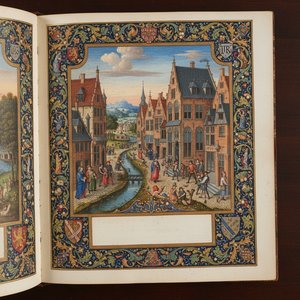
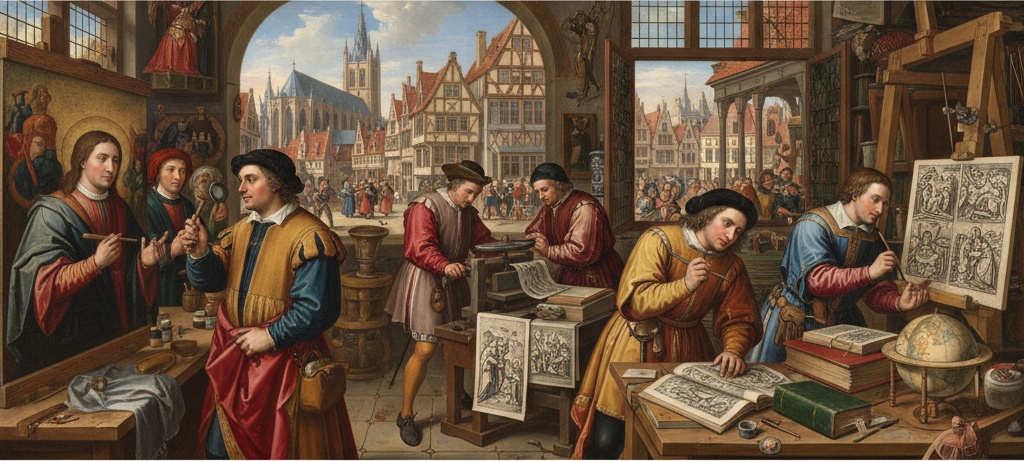
The 15th century witnessed a remarkable flowering of artistic talent north of the Alps, an era we now recognize as the Northern Renaissance. While Italy looked back to classical antiquity for inspiration, the artists of Burgundy and the Habsburg Netherlands forged a distinctly new path – one characterized by meticulous realism, profound religious devotion, and an unprecedented mastery of oil painting. This wasn’t merely a regional variation on Italian themes; it was a revolution in visual representation, born from specific social, economic, and spiritual conditions. The burgeoning merchant class in cities like Bruges, Ghent, and Antwerp created a demand for art that reflected their prosperity and piety, fostering a climate where innovation could thrive. Unlike the grand frescoes favored in Italy, Northern artists focused on smaller-scale works – altarpieces, diptychs, and portraits – intended for private devotion or display within increasingly opulent homes.
Humanism & Religious Shifts: Contextualizing Northern Renaissance Art
Humanism is a philosophical stance that emphasizes the individual and social potential, and agency of human beings, whom it considers the starting point for serious moral and philosophical inquiry. The meaning of the term "humanism" has changed accor...
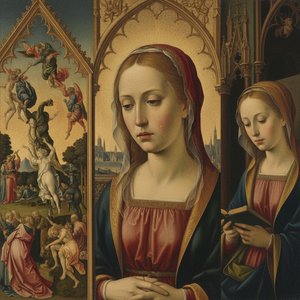
To understand the art of this period, one must consider the intellectual currents shaping it. While Italian humanism emphasized classical learning and individual potential, its influence in the North was often tempered by a deep-seated religious sensibility. The writings of Erasmus, for example, championed humanist ideals but remained firmly rooted in Christian theology. This unique blend is visible in Northern Renaissance art, where depictions of biblical scenes are imbued with psychological depth and emotional resonance. The period also coincided with growing anxieties about the Church’s authority, foreshadowing the Reformation. Artists subtly incorporated critiques of societal ills into their work, often through symbolic imagery and allegorical narratives. The focus shifted towards a more personal relationship with faith, reflected in the intimate scale and detailed realism of devotional paintings.
Jan van Eyck and the Mastery of Oil Painting Technique
The Northern Renaissance was the Renaissance that occurred in Europe north of the Alps, developing later than the Italian Renaissance, and in most respects only beginning in the last years of the 15th century. It took different forms in the various c...
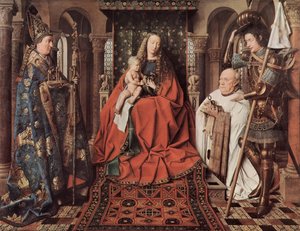
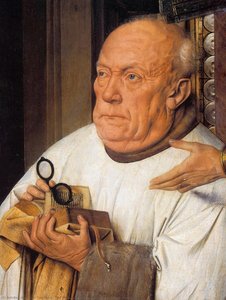
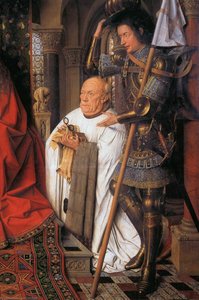
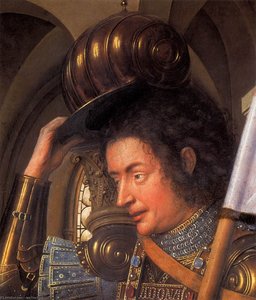
No discussion of the Northern Renaissance is complete without acknowledging Jan van Eyck. Often credited (though not solely responsible) with perfecting oil painting technique, Van Eyck revolutionized the medium, allowing for an unprecedented level of detail, luminosity, and color saturation. His Arnolfini Portrait (1434), a seemingly simple depiction of a wedding ceremony, is a testament to his skill. The textures of fabrics, the gleam of metal, the subtle play of light – all are rendered with astonishing accuracy. But Van Eyck’s genius extended beyond mere technical prowess. He understood how to use oil paint to create symbolic depth, embedding layers of meaning within seemingly straightforward compositions. The single candle burning in daylight, for instance, is often interpreted as representing the presence of Christ. His Ghent Altarpiece, a monumental polyptych commissioned by Van Eyck’s patron Joris van der Paele, showcases his ability to create a complex and unified narrative filled with theological symbolism.
Beyond Van Eyck: Key Figures Shaping the Movement (Weyden, Christus, David)
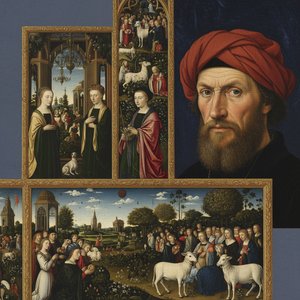
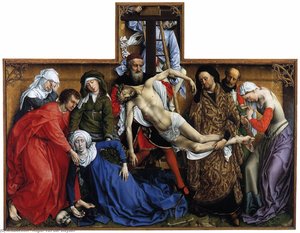
While Van Eyck often dominates discussions of Early Netherlandish painting, he was far from alone in pushing artistic boundaries. Rogier van der Weyden, a master of emotive expression, brought a dramatic intensity to his religious scenes. His Deposition is renowned for its poignant depiction of grief and suffering. Petrus Christus, influenced by Van Eyck, excelled at portraying urban life and architectural interiors, demonstrating a keen eye for perspective and detail. Later in the period, Gerard David continued the tradition of meticulous realism, adding vibrant colors and dynamic compositions to his religious works. These artists, each with their unique style, collectively defined the aesthetic principles of the Northern Renaissance – a commitment to naturalism, symbolic depth, and emotional resonance.
Iconography & Symbolism: Decoding the Meaning in Northern Renaissance Works
Northern Renaissance paintings are rarely what they seem at first glance. Artists employed a rich vocabulary of symbolism, often rooted in medieval traditions but infused with new humanist interpretations. Everyday objects – fruit, flowers, animals – were imbued with religious or moral significance. A single lily could represent the Virgin Mary’s purity, while a dog symbolized fidelity. The careful arrangement of objects within a composition was not accidental; it served to convey complex theological messages. Understanding this iconography is crucial to fully appreciating the depth and subtlety of these works. For example, the presence of oranges in an Annunciation scene might allude to the Virgin Mary’s immaculate conception or represent wealth and status. The artists weren't simply depicting scenes; they were constructing visual arguments, inviting viewers to engage with their work on multiple levels.
The Legacy of the Northern Renaissance: Influence and Enduring Impact
The innovations of the Northern Renaissance profoundly influenced subsequent generations of artists across Europe. The mastery of oil painting technique spread rapidly, becoming the dominant medium for centuries. The emphasis on realism and detail paved the way for later movements like Realism and Impressionism. Furthermore, the symbolic depth and psychological complexity of Northern Renaissance art continue to resonate with viewers today. Artists such as Hans Holbein the Younger carried these traditions into new realms, while the influence can be seen in the works of countless painters who followed. At ArtsDot, we are dedicated to preserving this legacy by offering high-quality reproductions of these masterpieces, allowing you to experience the beauty and depth of the Northern Renaissance firsthand. Explore our collection today and discover the enduring power of these remarkable artworks – from iconic portraits to breathtaking altarpieces that capture a pivotal moment in art history.