Introduction: The Enduring Appeal of Serenity in Art
The pursuit of serenity is a timeless human endeavor, woven into the fabric of our spiritual, emotional, and aesthetic lives. From ancient meditation practices to modern mindfulness techniques, we consistently seek moments of calm amidst the chaos of existence. It’s perhaps unsurprising then that art has long served as both a reflection of this yearning and a powerful catalyst for its attainment. Throughout history, artists have harnessed the evocative power of imagery, color, and form to create works that transcend mere representation, offering instead portals into states of quietude, contemplation, and profound inner peace. This exploration delves into the poetics of stillness – how serenity manifests as both subject matter and aesthetic quality in visual art, examining its historical roots, defining characteristics, and enduring resonance.
Historical Echoes: From Religious Contemplation to Landscape's Embrace
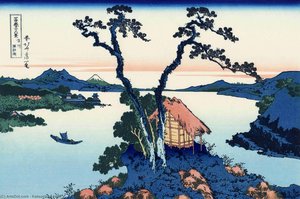
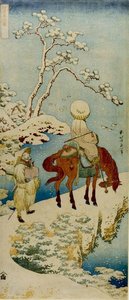 Toba In Exile
Discover 'Toba In Exile,' a serene Japanese woodblock print by Hokusai. Admire its winter landscape & symbolism of resilience. Perfect for art collectors & interior design.
The earliest expressions of artistic serenity are often inextricably linked with religious devotion. Consider the meditative paintings of Buddhist mandalas, meticulously crafted geometric patterns designed to focus the mind and facilitate spiritual awakening. Similarly, Renaissance depictions of the Virgin Mary, imbued with a gentle grace and ethereal light, aimed to inspire reverence and tranquility in the viewer. These works weren’t simply about portraying faith; they were intended *to be* conduits for it, fostering an atmosphere conducive to inner reflection. As artistic focus shifted from purely religious themes, landscape painting emerged as a powerful vehicle for expressing serenity. The vastness of nature, its inherent order and cyclical rhythms, offered a new source of solace and inspiration. Japanese woodblock prints, such as Katsushika Hokusai’s “Toba In Exile,” beautifully exemplify this shift. The stark winter scene, rendered with delicate lines and subtle gradations of color, isn't merely a depiction of a place; it’s an invitation to pause, breathe, and connect with the quiet resilience of the natural world. The image evokes a sense of solitude, but not loneliness – rather, a peaceful acceptance of impermanence and the beauty found within simplicity.
Aesthetics of Calm: Defining the Visual Language of Stillness
Aesthetics is the branch of philosophy that studies beauty, taste, and related phenomena. In a broad sense, it includes the philosophy of art, which examines the nature of art, artistic creativity, the meanings of artworks, and audience appreciation....
But what *defines* the visual language of serenity? It’s more than just subject matter; it's about how that subject is presented. A key element is often a sense of spaciousness – not necessarily literal emptiness, but rather an uncluttered composition that allows the eye to rest and the mind to wander. Color plays a crucial role as well. Cool tones—blues, greens, grays—tend to evoke feelings of calmness and tranquility, while warmer hues, when used sparingly, can suggest gentle warmth and comfort. The use of soft edges and diffused light further contributes to this effect, creating an atmosphere that is less about sharp definition and more about subtle gradations and atmospheric perspective. The absence of jarring contrasts or overly dynamic movement also reinforces a sense of peace. Artists often employ techniques like sfumato—the blurring of lines and contours—to create a dreamlike quality, softening the boundaries between objects and fostering a feeling of unity.
Minimalism and Tranquility: Reducing Form to Evoke Peace
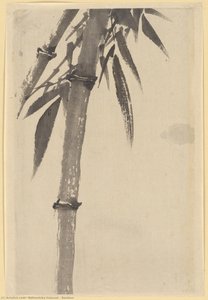
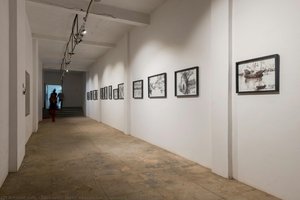 Vara / Thira
Discover 'Vara / Thira' by Karuvattu Mana Vasudevan Namboothiri – a serene sunset landscape in minimalist ink drawing style. Evokes tranquility & cultural heritage. Perfect for collectors & interiors.
The 20th and 21st centuries witnessed a growing embrace of minimalism as a means of expressing serenity. Artists like Agnes Martin stripped away all non-essential elements, reducing their compositions to simple grids and subtle washes of color. This radical reduction wasn’t about emptiness; it was about creating space for contemplation—allowing the viewer to focus on the inherent qualities of form, texture, and light. Similarly, contemporary artists continue to explore the power of abstraction in conveying peaceful states of mind. Nara Yoshitomo Zuzanna's “The Little Star Dweller,” a dreamy digital painting, exemplifies this approach. The soft palette, gentle forms, and ethereal quality create an atmosphere of innocence and celestial wonder. It’s not a literal representation of anything; it’s an evocation of a feeling—a sense of quiet joy and peaceful contemplation. These works demonstrate that serenity doesn't require elaborate detail or complex narratives; sometimes, less is truly more.
Color & Composition as Mood-Setters: The Psychology of Serene Palettes
The impact of color on our emotional state is well documented, and artists have long understood this power. Serene palettes often prioritize cool tones—blues associated with the ocean and sky, greens evoking nature’s tranquility, and grays suggesting a sense of calm neutrality. However, the *way* these colors are used is equally important. Subtle gradations, harmonious blends, and carefully balanced compositions can amplify their calming effect. Consider Karuvattu Mana Vasudevan Namboothiri's “Vara / Thira,” a minimalist ink drawing depicting a sunset landscape. The limited palette of earthy tones—soft browns, ochres, and grays—creates a sense of warmth and tranquility. The composition is simple yet elegant, with the horizon line dividing the canvas in a way that feels balanced and harmonious. This isn’t about dramatic spectacle; it's about capturing a fleeting moment of beauty and inviting the viewer to share in its peacefulness. The deliberate use of negative space further enhances this effect, allowing the eye to rest and the mind to wander.
Cultivating Inner Space: How Art Can Foster a Sense of Wellbeing
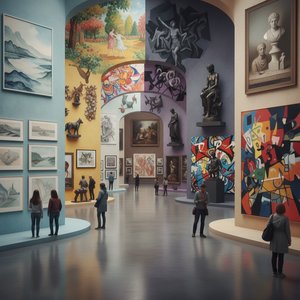 Evoking Emotion Through Art: A Guide to Shopping by Mood at
Discover art that speaks to your soul at ! Explore curated collections by mood & create a home filled with emotion. Handmade oil paintings, prints & expert advice await.
Ultimately, the power of art lies not just in its aesthetic qualities but in its ability to evoke emotional responses. Surrounding ourselves with artwork that embodies serenity can have a profound impact on our wellbeing, creating spaces that feel more peaceful, calming, and restorative. Whether it’s a landscape painting that transports us to a tranquil natural setting, an abstract composition that invites contemplation, or a minimalist work that fosters inner stillness, art has the unique ability to nurture our souls and remind us of the beauty found within simplicity. At ArtsDot.com, we believe in making this transformative power accessible to everyone. Explore our curated collections by mood and discover artwork that speaks to your soul—artwork that will not only enhance your home but also cultivate a sense of peace and wellbeing for years to come. From handmade oil paintings meticulously crafted by skilled artists to museum-quality prints, we offer a diverse range of options to suit every taste and budget. Let us help you create a sanctuary—a space where you can reconnect with yourself and find solace in the enduring beauty of art.