The Historical Roots of Playful Imagery: From Ancient Symbolism to Modern Wit
Humorism, the humoral theory, or humoralism, was a system of medicine detailing a supposed makeup and workings of the human body, adopted by Ancient Greek and Roman physicians and philosophers. Humorism began to fall out of favor in the 17th century ...
Humor, often relegated to the periphery of serious artistic consideration, possesses a surprisingly potent history as a catalyst for emotional response and social commentary. Its presence in visual culture isn’t a modern invention; rather, it's woven into the very fabric of human expression, stretching back millennia. While we might associate wit with contemporary art movements like Surrealism, its origins are far more ancient, subtly embedded within the symbolic languages of early civilizations. Egyptian hieroglyphs, for instance, weren’t solely devoted to documenting religious beliefs or royal power—they frequently contained satirical depictions of daily life and playful challenges to authority. Similarly, Greek vase paintings often showcased comical scenes from mythology, offering a lighthearted counterpoint to more solemn narratives. These early examples suggest an innate human desire to find amusement and critique through visual means.
However, the formal exploration of what we might term ‘humorism’ – though rooted in a now-discredited medical theory concerning bodily fluids influencing temperament – laid crucial groundwork for understanding art's capacity to affect emotional states. While the physiological basis proved inaccurate, the concept highlighted a link between visual stimuli and internal experience. Throughout the Medieval period, grotesque imagery served both didactic and cathartic purposes, frequently appearing in religious art as memento mori—reminders of mortality designed to provoke reflection on life’s fleeting nature. The Renaissance witnessed playful elements emerge in genre scenes and portraits, but it wasn't until the 19th century that artists began consciously utilizing humor as a primary subject matter, moving beyond mere ornamentation towards deliberate provocation.
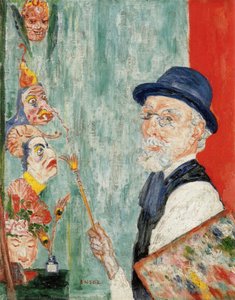
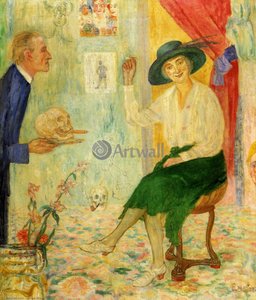
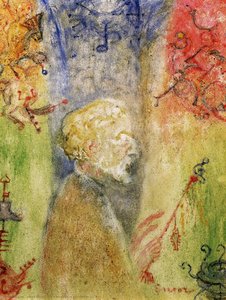
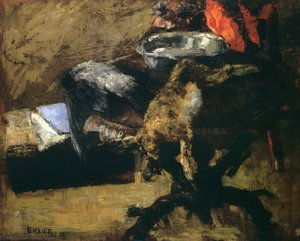
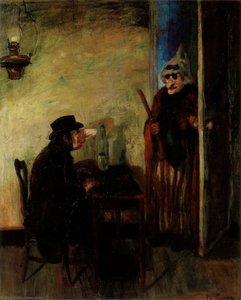
James Ensor stands as a pivotal figure in this evolution. His masterfully blended vibrant colors with unsettling imagery – works like ‘The Dangerous Cooks’ are not merely visually striking but provoke complex emotional responses through their macabre wit. These paintings challenge conventional notions of beauty and decorum, inviting viewers to confront darker aspects of human existence with a degree of playful detachment. Ensor's work isn’t simply about making us laugh; it’s about forcing us to question our assumptions and acknowledge the absurdity inherent in the human condition.
Surrealism's Embrace of Absurdity: Unlocking the Subconscious Through Humor
Surrealism is an art and cultural movement that developed in Europe in the aftermath of World War I in which artists aimed to allow the unconscious mind to express itself, often resulting in the depiction of illogical or dreamlike scenes and ideas. I...
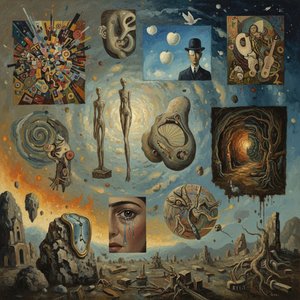
The devastation of World War I shattered established norms, paving the way for radical artistic departures. Surrealism, born out of the nihilistic spirit of Dada, represented a deliberate attempt to dismantle conventional logic and access the realm of the unconscious mind. Artists sought not to depict reality as it was perceived, but rather to unlock the hidden landscapes of dreams, desires, and irrational impulses. Humor became an essential tool in this endeavor—a means of disrupting rational thought and challenging societal conventions.
Marcel Duchamp, a key figure in the movement, employed irony and unexpected juxtapositions to question the very definition of art. His readymades – ordinary objects presented as artworks – were deliberately provocative, forcing viewers to reconsider their preconceived notions about creativity and value. Works such as ‘With My Tongue in My Cheek’ exemplify this playful subversion, challenging the seriousness traditionally associated with artistic expression. Surrealism wasn't simply about creating nonsensical images; it was a deliberate attempt to access the subconscious—a realm often governed by illogical associations and playful distortions.
This exploration tapped into primal emotions, bypassing rational defenses and fostering a sense of liberation. The element of surprise, central to Surrealist aesthetics, triggers a cognitive dissonance that can be both unsettling and exhilarating. The movement’s influence extended beyond painting, impacting literature, film, and theatre, all united by a shared desire to dismantle conventional boundaries and embrace the irrational. It wasn't merely an artistic style; it was a philosophical revolution.
Expressionism and Emotional Intensity: Conveying Inner Turmoil Visually
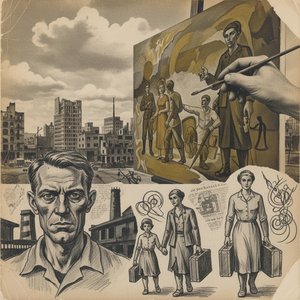 Echoes of a Decade: Artistic Responses to Sociopolitical Realities in 1940s Art
Explore the powerful artistic responses to the sociopolitical realities of the 1940s. Discover key movements like Expressionism & Abstract Expressionism, and learn how to collect investment-worthy masterpieces with ArtsDot.
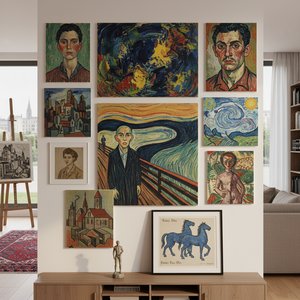
Concurrent with Surrealism, Expressionism offered another powerful avenue for exploring the depths of human emotion. While differing in approach – focusing less on the subconscious and more on subjective experience – both movements shared a commitment to portraying inner states rather than external reality. Artists like Edvard Munch sought to externalize feelings of anxiety, alienation, and despair through bold brushstrokes and jarring color palettes. The iconic ‘The Scream’ is perhaps the most potent example, embodying a visceral sense of existential dread.
The 1940s witnessed a surge in Abstract Expressionism, further emphasizing emotional intensity. Pollock’s drip paintings, for example, were not representations of external reality but rather direct expressions of the artist's subconscious impulses and physical energy. This emphasis on process and spontaneity allowed for raw, unfiltered emotion to emerge onto the canvas. The power of these works lies in their ability to resonate with viewers on a visceral level, bypassing intellectual analysis and tapping into universal human experiences.
The rejection of traditional form wasn’t arbitrary; it was a deliberate attempt to create a visual language capable of conveying emotions that defied conventional representation. Expressionist artists weren't interested in depicting what things *looked* like, but rather how they *felt*. This focus on subjective experience paved the way for new forms of artistic expression and continues to influence contemporary art today.
The Neuroscience of Laughter: How Art Activates Our Brain’s Reward Centers
In psychology of art, the relationship between art and emotion has newly been the subject of extensive study thanks to the intervention of esteemed art historian Alexander Nemerov. Emotional or aesthetic responses to art have previously been viewed a...
For centuries, the connection between art and emotion has been largely anecdotal—based on personal experiences and critical interpretations. However, recent advances in neuroaesthetics are providing scientific evidence to support what many have long suspected: that perceiving art profoundly impacts our brains. Studies reveal that viewing artwork activates brain regions associated with emotion, reward, and goal setting – areas not typically engaged during standard object recognition.
This suggests that emotional responses to art are not merely passive reactions but rather complex cognitive processes involving empathy, interpretation, and personal association. The element of surprise, often present in humorous or whimsical paintings, triggers a release of dopamine—a neurotransmitter associated with pleasure and motivation—creating a sense of engagement and reward. Furthermore, the brain’s mirror neuron system allows viewers to vicariously experience the emotions depicted in artwork, fostering a deeper connection with the artist's intent.
The neurological underpinnings of aesthetic appreciation highlight the inherent human need for emotional stimulation and creative expression. Art isn’t simply about beauty; it’s about activating fundamental brain processes that contribute to our wellbeing. The ability of playful imagery to elicit these responses underscores its unique power as a catalyst for positive emotion.
Contemporary Artists & Resilience: Confronting Trauma with Playful Expression
 Bearing Witness: Resilience & Reimagination in Contemporary Art's Response to Trauma
Explore how contemporary artists confront trauma through powerful visual expression. Discover resilience, cultural narratives & investment-worthy art reflecting the human condition. Expert insights for discerning collectors.
In recent decades, contemporary art has increasingly addressed themes of trauma, social injustice, and personal struggle. However, many artists avoid a purely didactic approach, instead employing humor, irony, and absurdity as tools for resilience and reimagination. This isn’t about trivializing difficult subjects; it's about finding ways to engage with them in a way that is both meaningful and empowering.
Artists are using playful imagery to subvert expectations, challenge power structures, and create space for dialogue. The act of creating art itself can be a therapeutic process, allowing artists to reclaim agency and find meaning in their experiences. Works that confront trauma through humor often resonate deeply with audiences, fostering empathy and promoting healing. This approach acknowledges the complexity of human emotion—the ability to experience both joy and sorrow simultaneously.
The power lies in offering alternative perspectives, challenging conventional narratives, and inviting viewers to question their own assumptions. It’s a testament to the enduring capacity of art to not only reflect reality but also to transform it.
Cultivating Wellbeing: Selecting Artwork That Inspires Joy and Connection
Ultimately, the most profound impact of art lies in its ability to enrich our lives and foster emotional wellbeing. Selecting artwork that resonates with your personal landscape is crucial for creating a space that reflects your unique personality and values. Playful imagery can be particularly effective at creating a sense of lightness, optimism, and connection.
Choose works that evoke positive emotions—pieces that bring you joy, inspire contemplation, or spark conversation. Don’t be afraid to experiment with different styles and artists until you find pieces that truly speak to you. Consider the color palette – vibrant colors can evoke energy and excitement, while softer tones promote calmness and relaxation. The key is to create a visual environment that nurtures your soul.
At ArtsDot.com, we believe that art should be accessible to everyone. We offer a curated selection of hand-painted reproductions and museum-quality prints, allowing you to bring the beauty and emotional power of masterworks into your home. Our expert consultants are available to provide personalized guidance, helping you choose pieces that perfectly complement your space and reflect your individual taste. Explore our collection today and discover the transformative power of art.