

Introduction: The Twilight of Gothic – A New Aesthetic Sensibility
The Late Gothic period, spanning roughly from 1300 to 1500, represents a fascinating transition in the history of art—a moment where the soaring spiritual ambitions of earlier Gothic styles began to subtly yield to a more humanistic and emotionally nuanced aesthetic. It wasn’t a sudden rupture with the past, but rather an evolution, a refinement of existing forms imbued with a new sense of naturalism and psychological depth. This era witnessed a shift in patronage, moving beyond solely ecclesiastical commissions towards the courts of burgeoning European powers, fostering a taste for luxury, elegance, and increasingly individualized representation. The art produced during this time—paintings, sculptures, illuminated manuscripts—reflects not only religious devotion but also a growing fascination with earthly beauty and the complexities of human experience.
The Rise of International Gothic: Courts, Patrons & Artistic Exchange
The Art of Courtly Love may refer to: De amore, a twelfth century treatise by Andreas Capellanus known in English as The Art of Courtly Love The Art of Courtly Love, a 1973 3-LP box set by The Early Music Consort of London
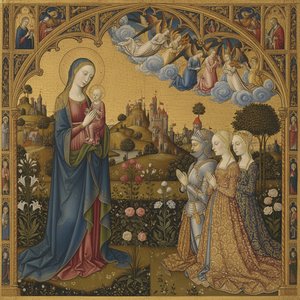
The term “International Gothic,” coined by Louis Courajod in the 19th century, aptly describes the widespread dissemination of artistic ideas across Europe during this period. It wasn’t a unified style imposed from a single center, but rather a convergence of influences—primarily emanating from Burgundy, northern Italy, and Prague—facilitated by increased trade, diplomatic marriages, and the mobility of artists themselves. Royal courts became pivotal centers of artistic production, with rulers like Charles IV in Bohemia and the Valois dukes in Burgundy actively commissioning works that showcased their wealth, power, and refined taste. These patrons weren’t merely collectors; they were active participants in shaping the aesthetic landscape, demanding increasingly sophisticated and personalized artworks. The exchange wasn't one-way: Italian artists found opportunities north of the Alps, while Northern masters brought their skills to Italy, creating a vibrant cross-pollination of techniques and ideas.
Humanity in Focus: Realism, Portraiture and the Emotional Depth of Late Gothic Figures
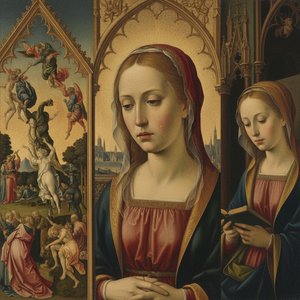
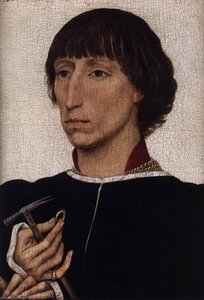
One of the most striking characteristics of Late Gothic art is its growing emphasis on realism. Artists increasingly sought to rationalize space, measure the world around them, and master the human figure. This wasn’t simply a matter of technical skill; it reflected a deeper interest in portraying individuals with psychological depth and emotional resonance. Portraiture, though still often embedded within religious contexts—as donor portraits accompanying altarpieces—became increasingly individualized, capturing not just physical likeness but also hints of personality and inner life. Simone Martini's *Burial of St Martin (detail)* exemplifies this shift; the grief-stricken faces surrounding the saint’s bier are rendered with a poignant sensitivity that transcends mere representation. The elongated figures characteristic of the style—often referred to as “Gothic sway”—contribute to an ethereal quality, but they also serve to emphasize the emotional weight of the scene. The human body was no longer simply a vessel for spiritual expression; it became a conduit for conveying complex emotions and narratives.
Symbolism & Narrative: Decoding the Visual Language of a Changing World
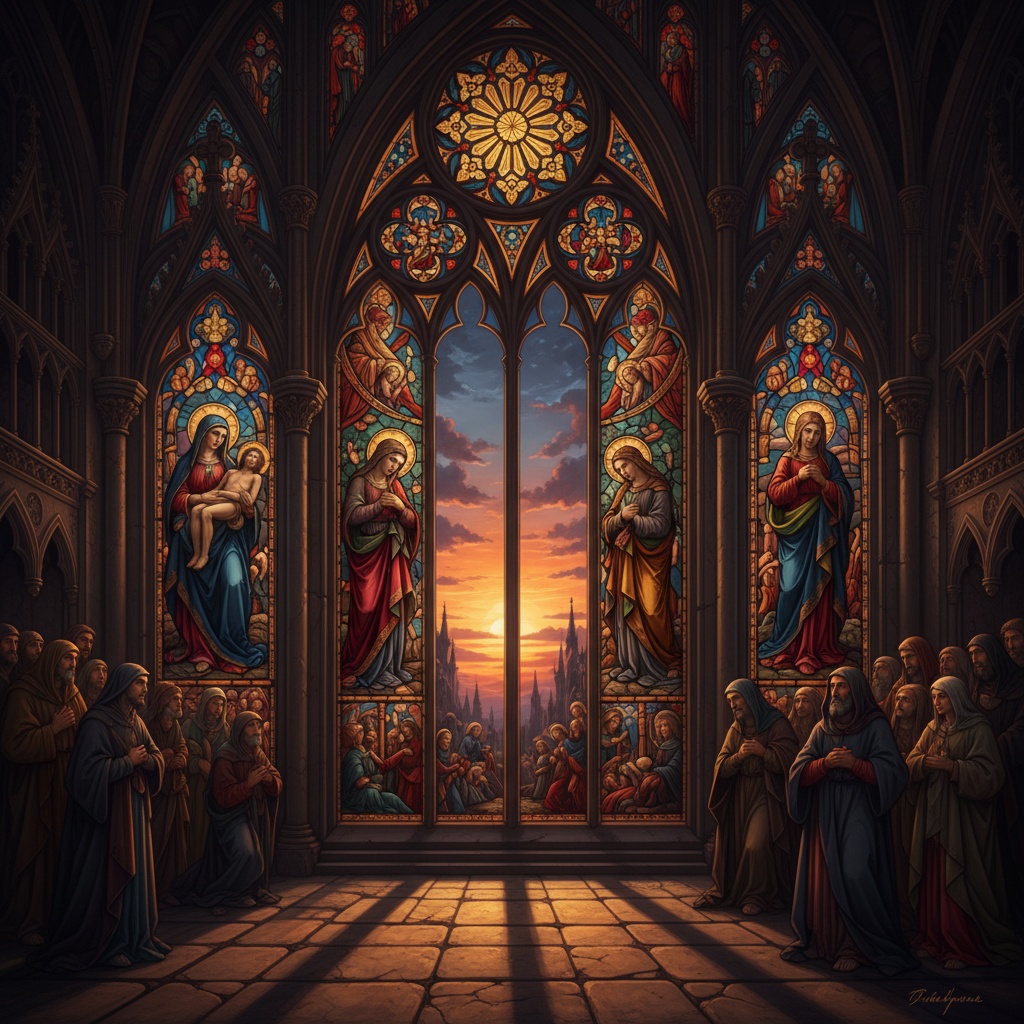
While realism gained prominence, Late Gothic art remained deeply symbolic. Every element—from colors and gestures to objects and settings—carried layers of meaning, often rooted in religious tradition but also reflecting contemporary social and political concerns. Illuminated manuscripts, in particular, were replete with intricate symbolism, serving as visual encyclopedias of knowledge and belief. The *Très Riches Heures du Duc de Berry*, for example, is not merely a beautiful calendar; it’s a complex allegory of the Duke's power, piety, and place within the cosmos. Narrative techniques also became more sophisticated, with artists employing multiple scenes within single compositions to tell elaborate stories. The attention to detail—the meticulous rendering of fabrics, jewelry, and architectural settings—was not simply decorative; it served to enhance the narrative clarity and symbolic richness of the artwork. Artists were masters of visual storytelling, using their skills to convey complex theological concepts and moral lessons.
Regional Variations: Italy, France, Bohemia & Beyond – A Tapestry of Styles
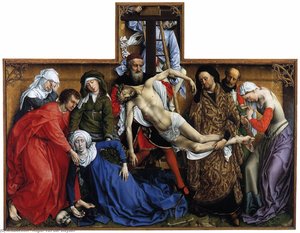
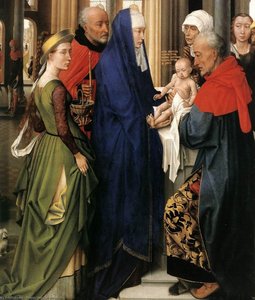
Despite the widespread dissemination of International Gothic principles, distinct regional variations emerged. In Italy, artists like Gentile da Fabriano synthesized Gothic elegance with emerging Renaissance elements—a greater emphasis on spatial depth and classical forms. French painting, particularly under the Valois kings, focused on chivalric scenes and courtly life, celebrating aristocratic ideals. Bohemian art, fostered by Charles IV’s patronage, developed a unique mystical quality, characterized by bold color contrasts and richly ornamented surfaces. Even within these regions, individual artists brought their own distinctive styles to bear. Rogier van der Weyden, working in the Netherlands, pushed the boundaries of realism even further, creating emotionally charged portraits and altarpieces that profoundly influenced subsequent generations of Northern European painters. The *Madonna and Child* by Van der Weyden is a testament to this mastery, showcasing an unparalleled sensitivity to human emotion and detail.
Legacy & Transition: The Enduring Influence of Late Gothic Art on the Renaissance
The Late Gothic period ultimately paved the way for the Renaissance. While the rediscovery of classical antiquity often overshadows its contributions, it’s crucial to recognize that the innovations of this era—the emphasis on realism, emotional depth, and individualized representation—were essential precursors to the artistic revolution that followed. The techniques developed by Late Gothic artists—oil painting, perspective, and detailed observation—provided a foundation for Renaissance masters like Leonardo da Vinci and Michelangelo. Furthermore, the patronage networks established during this period helped to foster a climate of artistic experimentation and innovation. The legacy of Simone Martini, Gentile da Fabriano, and Rogier van der Weyden can be seen in the works of countless subsequent artists, demonstrating the enduring power and influence of this often-overlooked chapter in art history. The refined elegance and spiritual depth of Late Gothic art continue to captivate audiences today, offering a glimpse into a world where faith, form, and emotion converged in breathtaking beauty.