Introduction: The Enduring Power of Satire
Political satire is a type of satire that specializes in gaining entertainment from politics. Political satire can also act as a tool for advancing political arguments in conditions where political speech and dissent are banned. Political satire is ...
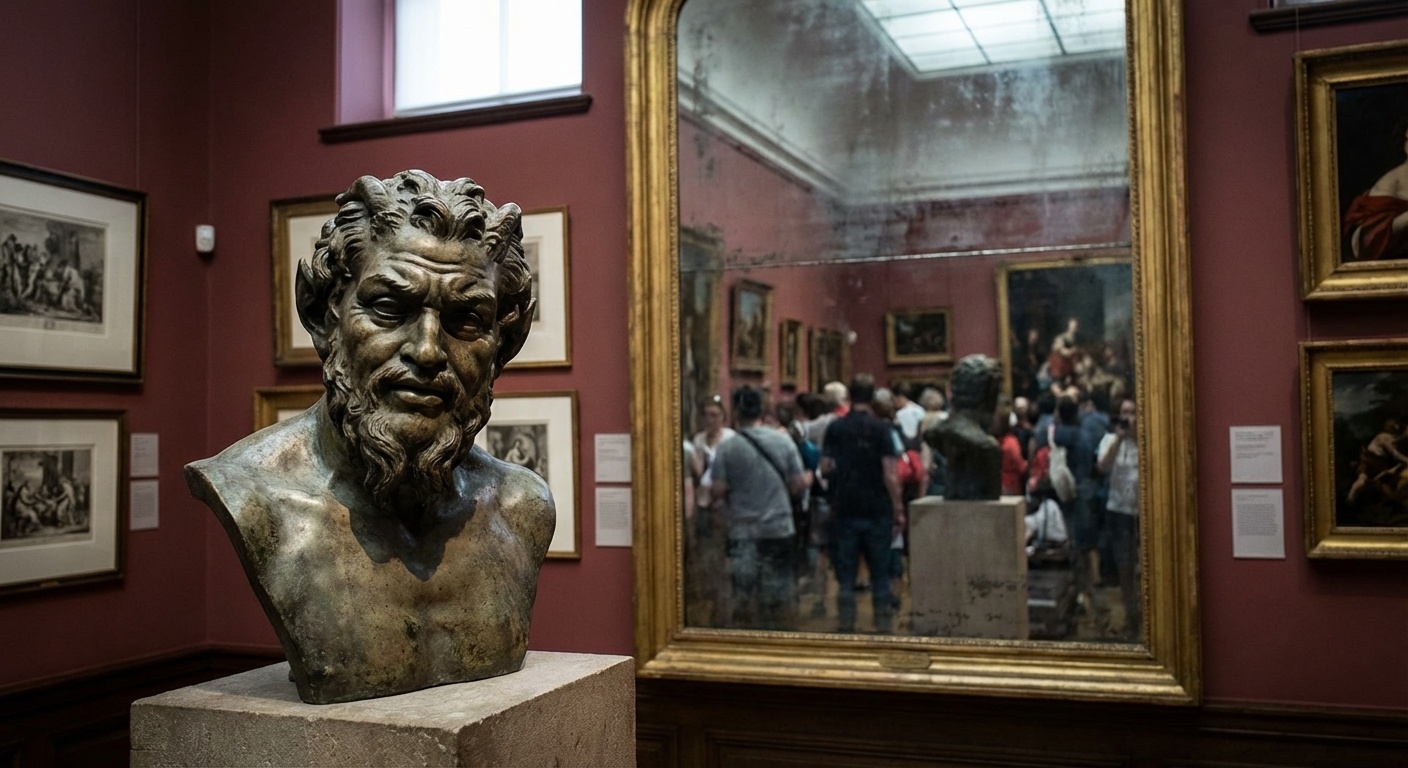
Satire, at its heart, is a dance with dissonance—a playful yet pointed critique of human folly, societal norms, and the often-absurd realities we inhabit. It’s an art form as old as civilization itself, born from the need to question authority, expose hypocrisy, and provoke thought through humor, irony, and exaggeration. But satire isn't merely about making people laugh; it’s a powerful tool for social commentary, capable of sparking dialogue, challenging power structures, and even instigating change. Throughout history, artists have wielded this potent weapon with varying degrees of subtlety and boldness, leaving behind a rich legacy of works that continue to resonate today. From the biting wit of ancient comedies to the stark realism of modern masterpieces, satire’s enduring appeal lies in its ability to hold a mirror up to society—even if the reflection isn't always flattering.
Ancient Roots: From Aristophanes to Roman Caricature
The seeds of satire were sown long before the Renaissance or Enlightenment. We can trace its origins back to ancient Greece, where playwrights like Aristophanes fearlessly lampooned politicians, philosophers, and even the gods themselves in his comedies. His plays weren’t simply entertainment; they were sharp political statements disguised as raucous humor, often employing exaggeration and caricature to expose the flaws of Athenian society. The impact was profound – Aristophanes directly influenced public opinion through performance, demonstrating the power of art to shape discourse. The Romans continued this tradition, with poets like Martial crafting epigrams that offered biting social commentary on everything from extravagant lifestyles to the mundane absurdities of daily life. While often less overtly political than Aristophanes, Martial’s work reveals a keen eye for detail and a willingness to poke fun at even the most revered figures. These early examples highlight a crucial element of satire: its ability to thrive in environments where direct criticism is suppressed, finding clever ways to circumvent censorship through wit and indirection.
The 18th & 19th Centuries: Hogarth, Goya and the Rise of Political Critique
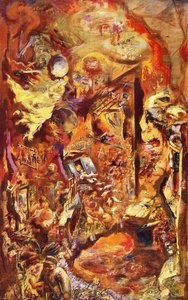
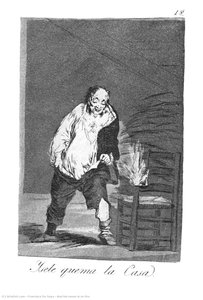 And his house is on fire
Francisco Goya’s "And his house is on fire" – a stark etching of madness & destruction. Explore this dramatic black-and-white masterpiece, reflecting societal critique & Goya's unique style.
The 18th and 19th centuries witnessed a flourishing of satirical art, fueled by social upheaval and political unrest. In England, William Hogarth revolutionized printmaking with his series of engravings like “Marriage A-la-Mode,” which offered scathing critiques of aristocratic society and the pitfalls of arranged marriages. His work wasn’t just visually striking; it was meticulously detailed and layered with symbolism, inviting viewers to decipher the moral failings of the characters depicted. As political tensions escalated across Europe, artists increasingly turned their attention to exposing corruption and injustice. Francisco Goya, perhaps one of the most influential satirists in history, masterfully employed etching and aquatint to create a series of works that documented the horrors of war and the abuses of power. His “Disasters of War” is a harrowing depiction of human suffering, while his “Caprichos” series offers a darkly humorous commentary on Spanish society, filled with grotesque figures and unsettling imagery. Goya’s later work, such as “Against the Common Good” and “Correction,” are particularly poignant examples of his willingness to challenge authority directly, even at personal risk. He didn't shy away from depicting the madness and brutality of his time, using satire not just as entertainment but as a form of protest.
Neue Sachlichkeit & Grosz: Weimar Germany's Bitter Reflection
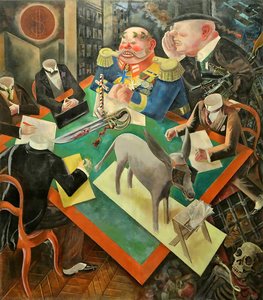
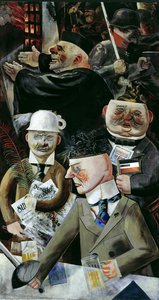
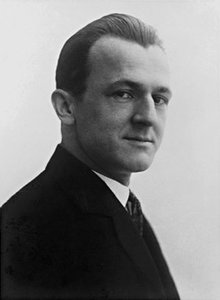 George Grosz
Discover George Grosz (1893-1959), a pivotal Berlin Dada & New Objectivity artist. Explore his satirical paintings critiquing Weimar Germany, fascism, and societal ills through powerful caricatures.
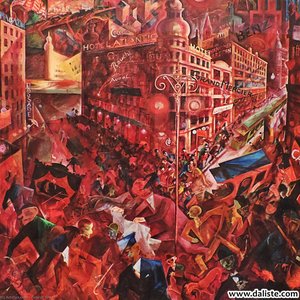
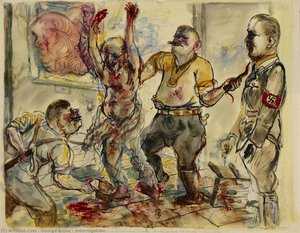
The aftermath of World War I saw the rise of Neue Sachlichkeit (New Objectivity) in Germany, an art movement characterized by its unflinching realism and biting social critique. Artists like George Grosz used their work to expose the moral decay and political instability of Weimar Germany. His paintings are filled with grotesque caricatures of politicians, soldiers, and bourgeois citizens, often depicting them as corrupt, decadent, and utterly devoid of empathy. Grosz’s style was deliberately provocative, employing sharp lines, distorted forms, and a dark palette to convey the sense of disillusionment and despair that permeated German society during this period. He wasn't interested in beauty or idealism; his goal was to expose the ugly truths of his time, even if it meant shocking and offending his audience. The movement as a whole rejected romanticism and sentimentality, opting instead for a brutally honest portrayal of reality – a reflection of the trauma and disillusionment that followed the war. This period saw satire become intrinsically linked with political dissent, serving as a powerful voice against fascism and societal ills.
Grotesque Realism in Contemporary Art: A Revival of Subversion
In recent years, we’ve witnessed a resurgence of grotesque satire in contemporary art, often manifested through deliberately distorted imagery and unsettling subject matter. This isn't simply a nostalgic revival; it reflects a growing sense of cynicism and disillusionment with the political landscape and societal norms. Artists are increasingly using humor and exaggeration to challenge power structures and expose hypocrisy, mirroring the tactics employed by their predecessors. The popularity of shows like South Park, with its outrageous political commentary and deliberately offensive humor, demonstrates the enduring appeal of satire as a form of entertainment and social critique. Contemporary artists are also drawing inspiration from historical movements like Neue Sachlichkeit, employing similar techniques to expose the absurdities of modern life. This revival isn’t limited to painting or television; it extends to sculpture, installation art, and digital media, demonstrating the versatility and adaptability of satire as an artistic form.
Satire as Social Commentary: Reflecting Society’s Shadows Through Art
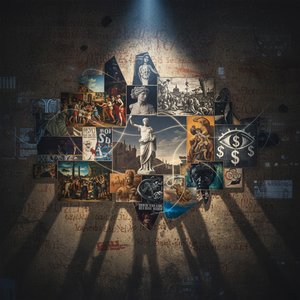
Ultimately, the power of satire lies in its ability to reflect society's shadows—to expose the flaws, contradictions, and hypocrisies that often lie hidden beneath the surface. It is a reminder that art isn’t just about beauty or aesthetics; it can be a powerful tool for social change, capable of sparking dialogue, challenging authority, and provoking thought. From the ancient comedies of Aristophanes to the biting critiques of Goya and Grosz, artists have consistently used satire to hold a mirror up to society—even if the reflection isn't always pleasant. At ArtsDot.com, we believe in the enduring power of art to inspire, challenge, and provoke – and that includes the often-uncomfortable but vitally important role of satire. Explore our collection today and discover how artists throughout history have used wit and humor to illuminate the complexities of the human condition.