A Renaissance Revival: The Origins & Early Masters of Pastel
Though often associated with the delicate luminosity of Impressionism, the story of pastel is far older—a fascinating journey tracing back to the Renaissance and beyond. The medium wasn’t ‘invented’ at a single moment, but rather evolved from earlier forms of dry pigment application used in preliminary sketches and studies. Artists sought ways to capture fleeting impressions directly onto paper, bypassing the more laborious processes of fresco or oil painting. Early examples can be found in Leonardo da Vinci's notebooks, where he experimented with applying powdered pigments to prepare underdrawings. However, it wasn’t until the 16th century that pastel began to emerge as a distinct artistic technique, particularly favored for portraiture. The French term “pastel” itself derives from the Medieval Latin *pastellum*, meaning ‘paste,’ hinting at its initial form—a simple mixture of pigment and binder. Early masters like Joseph Vivien (1657-1734) elevated pastel to a respected art form, demonstrating its capacity for nuanced detail and vibrant color. These early pastellists weren’t merely creating sketches; they were producing finished works with remarkable subtlety, capturing the textures of fabrics, the sheen of skin, and the personality of their sitters.
Edgar Degas and the Golden Age of Impressionistic Pastels
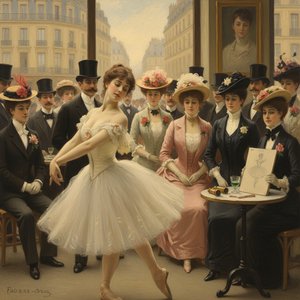
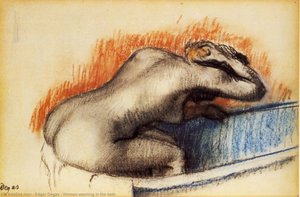
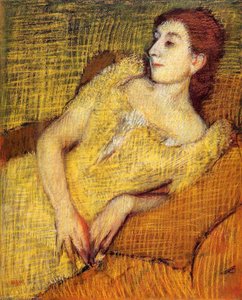
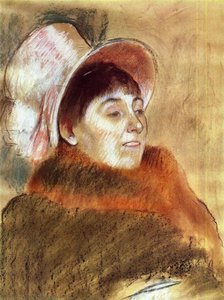
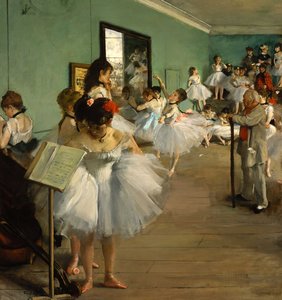
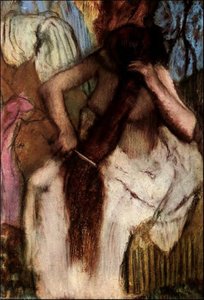
The 19th century witnessed a true blossoming of pastel artistry, inextricably linked to the rise of Impressionism. While many artists experimented with the medium, Edgar Degas stands as its most celebrated champion. Degas wasn’t simply *using* pastel; he was revolutionizing it. He embraced its inherent qualities—its immediacy, its ability to capture light and movement—and pushed its boundaries in ways no one had before. Unlike earlier pastellists who often worked within a more controlled studio environment, Degas frequently painted *en plein air*, capturing scenes of Parisian life with remarkable spontaneity. Works like “Woman in Blue (Portrait of Mlle. Helene Rouart)” (1886) exemplify his mastery: loose lines suggest form rather than rigidly defining it, and the evocative mood is achieved through a delicate layering of color. He wasn’t afraid to leave areas of bare paper visible, allowing light to play across the surface and create a sense of atmosphere. “Young Women Resting in a Field” (D2MV64) further illustrates this approach—a dreamy landscape rendered with soft hues and a tranquil scene that feels both intimate and fleeting. Degas’s innovative use of pastel extended beyond subject matter; he often combined it with other media, such as charcoal or oil paint, to achieve unique textural effects. His series of dancers and bathers are particularly notable for their dynamic compositions and expressive use of color.
The Language of Hues: Exploring Emotional Resonance in Pastel Palettes
Beyond its technical innovations, pastel possesses a unique capacity for conveying emotion. The very nature of the medium—its soft, powdery texture and delicate coloration—lends itself to subtle nuances of feeling. Artists throughout history have harnessed this power, using specific color palettes to evoke particular moods and atmospheres. In Impressionistic pastels, we often see a preference for light, airy tones – pale blues, gentle greens, and warm yellows – that capture the fleeting beauty of sunlight and atmosphere. However, pastel isn’t limited to these soft hues; artists like Degas also employed bolder colors—rich reds, deep purples, and vibrant oranges—to create dramatic contrasts and convey a sense of energy. The choice of color is rarely arbitrary; it's often deeply symbolic. For example, the use of blue in portraiture can evoke feelings of serenity or melancholy, while warmer tones might suggest passion or vitality. Understanding these subtle nuances allows us to appreciate the emotional depth of pastel artworks on a deeper level. Consider “Women Leaning on a Railing” (8EWFHP), where the interplay of light and shadow, combined with a carefully chosen palette, creates an intimate portrayal of social interaction.
Technical Nuances: Materials, Methods & Preservation of Pastel Artworks
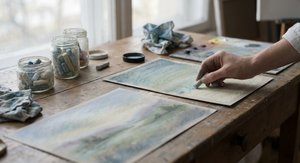
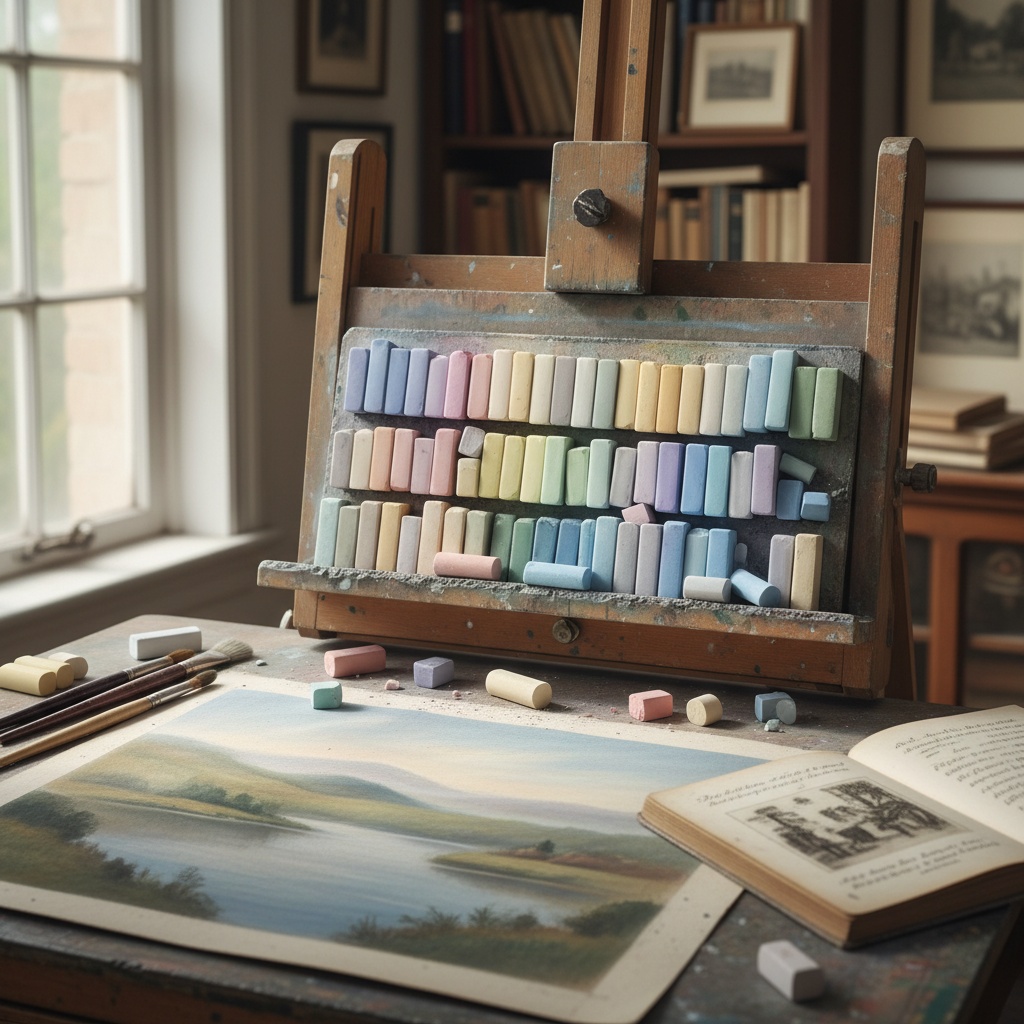
The creation of a pastel artwork is a delicate process requiring specialized materials and techniques. Unlike oil paints which are mixed on a palette before application, pastels are applied directly to the paper surface in layers. The quality of the paper is paramount; it must have enough ‘tooth’—a slightly rough texture—to hold the pigment particles. Different types of pastel exist – soft pastels with high pigment concentration for blending and smudging, hard pastels for detailed lines, and pan pastels applied with sponges for broad coverage. The binder used in pastels is crucial; traditionally gum arabic or tragacanth were employed, but modern formulations often include methyl cellulose. The layering process allows artists to build up color gradually, creating depth and luminosity. However, this also means that pastel artworks are inherently fragile. Because the pigment isn’t bound as strongly as in oil paint, it's susceptible to smudging and fading. Proper preservation is essential: framing under glass protects the surface from abrasion, while fixatives can help bind the particles (though overuse can alter the color). Understanding these technical aspects enhances our appreciation for the skill and care involved in creating a pastel masterpiece.
Beyond Portraits: Diverse Subjects and Contemporary Applications of Pastel
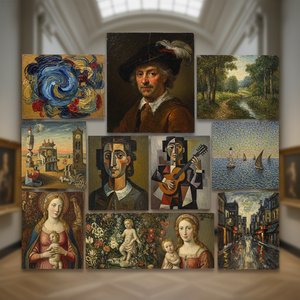
While historically associated with portraiture, pastel’s versatility extends far beyond. From landscapes to still lifes, from abstract compositions to architectural studies, artists have continually explored its potential across diverse subjects. The medium's ability to capture texture and light makes it particularly well-suited for depicting natural forms—the delicate petals of a flower, the rugged surface of a mountain range, or the shimmering reflections on water. In contemporary art, pastel continues to thrive, with artists pushing its boundaries in innovative ways. Some experiment with unconventional supports – wood panels, fabric, even metal – while others combine it with other media to create mixed-media works. The resurgence of interest in traditional techniques has also led to a renewed appreciation for the unique qualities of pastel. Whether capturing the fleeting beauty of a landscape or exploring abstract concepts, artists are demonstrating that pastel remains a vibrant and relevant art form today. At ArtsDot, we celebrate this rich artistic heritage by offering museum-quality reproductions of iconic pastels, allowing you to bring the delicate luminosity and emotional power of this captivating medium into your home.