Defining Naïve Art: Beyond 'Primitive' – Characteristics & Distinctions
The term “naïve art” often evokes images of charming, childlike depictions—pastoral scenes brimming with life, portraits radiating an unstudied sincerity. Yet to categorize it simply as ‘primitive’ is a profound disservice. Naïve art isn’t about a lack of skill; rather, it represents a distinct aesthetic choice, a rejection of academic convention in favor of personal vision. Emerging from sophisticated societies, naïve artists possess a fully developed understanding of the world but consciously opt out of established artistic norms. Unlike hobbyists painting for leisure, these creators approach their work with genuine passion and dedication, driven by an inner need to express themselves without the constraints of formal training or expectation. The Britannica definition aptly points to this crucial distinction: it’s not about *what* they paint, but *how* – a unique perspective unburdened by the weight of art historical precedent.
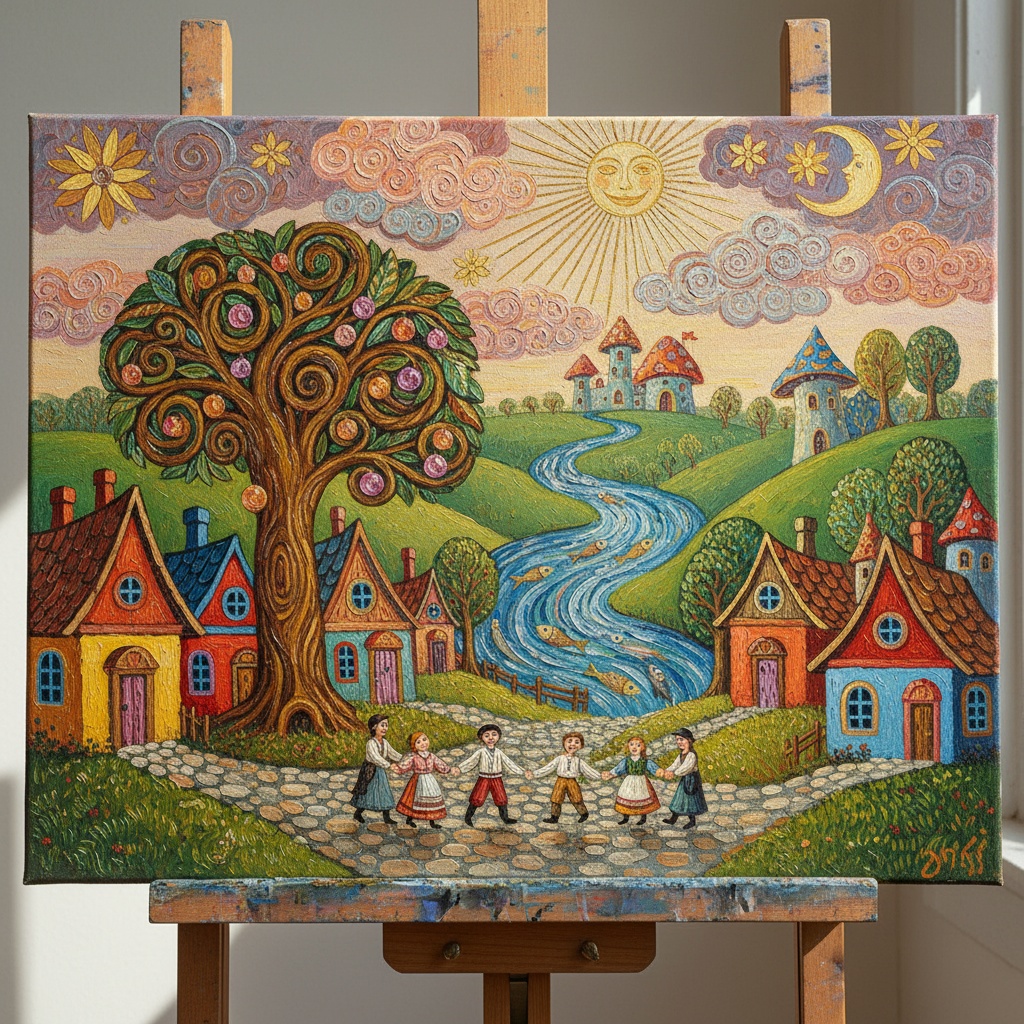
Several hallmarks define the style. Perspective often appears flattened or unconventional, creating a dreamlike quality. Proportions may be slightly off, figures rendered with an endearing simplicity, and details lovingly included even if anatomically incorrect. Color palettes tend to be vibrant and unmodulated, eschewing subtle shading for bold, declarative hues. Crucially, there’s a palpable sense of honesty in the work—a directness of emotion that bypasses intellectual analysis and speaks directly to the viewer's heart. This isn’t art striving for photorealism; it’s art striving for *truth* as perceived by the artist.
Roots of Authenticity: Historical Development from Medieval Traditions to Modern Recognition
While the term “naïve art” gained prominence in the late 19th and early 20th centuries, its roots stretch back much further. Medieval manuscript illuminations, often created by monks with limited formal artistic training, exhibit many of the same characteristics—flattened perspective, vibrant colors, and a focus on storytelling rather than precise representation. Similarly, folk art traditions across Europe, particularly in regions where access to academic art education was limited, fostered a unique style born from local customs and practical needs. These early forms weren’t necessarily considered ‘art’ in the high-cultural sense; they were integral parts of daily life—decorative objects, religious icons, or records of community events.
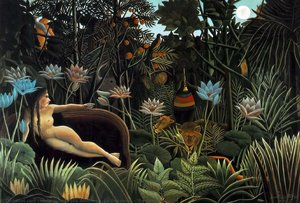
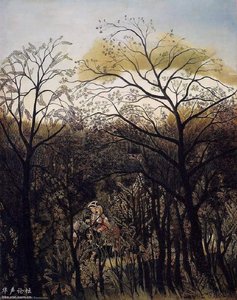
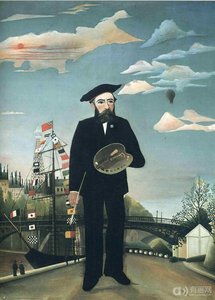
The modern recognition of naïve art is often linked to Henri Rousseau (1844-1910), a French post-Impressionist painter who became celebrated for his jungle scenes and self-portraits. Despite lacking formal training, Rousseau developed a highly individual style that captivated artists like Pablo Picasso and Wassily Kandinsky. His work challenged conventional notions of artistic skill and paved the way for others to appreciate art created outside the established system. The early 20th century also saw growing interest in the art of self-taught individuals from marginalized communities, laying the groundwork for the later development of Outsider Art.
The Interplay of Style and Subject Matter: Common Themes in Naïve Painting
Naïve artists frequently gravitate towards specific subject matter—themes that resonate with their personal experiences and values. Rural life is a recurring motif, depicting scenes of farming, village festivals, and domestic tranquility. Portraits are another common genre, often capturing the likenesses of family members or local figures with an endearing sincerity. Animals also feature prominently, rendered with a charming simplicity and imbued with personality.
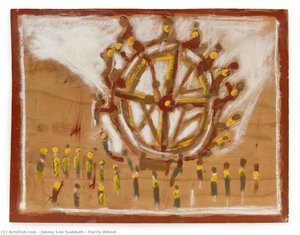
Beyond these traditional subjects, naïve art can explore religious themes, historical events, or even fantastical landscapes. What unites these diverse topics is a sense of intimacy and personal connection. The artist isn’t simply depicting a scene; they are sharing their own unique perspective on the world—their memories, beliefs, and emotions. The lack of academic polish allows for a directness of expression that can be profoundly moving. Consider the work of William Leroy Hawkins (1895-1990), whose vibrant depictions of animals and everyday life radiate an infectious joy, or Jimmy Lee Sudduth’s finger paintings capturing the essence of Southern culture.
Naïve Art, Folk Art, Outsider Art: Untangling the Complex Relationships
 Wikipedia: Outsider art
Outsider art is art made by self-taught individuals who are untrained and untutored in the traditional arts with typically little or no contact with the conventions of the art worlds. The term outsider art was coined in 1972 as the title of a book by...
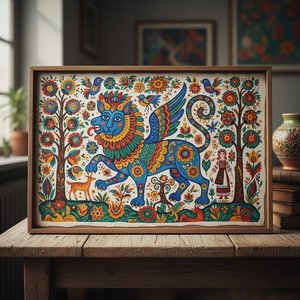
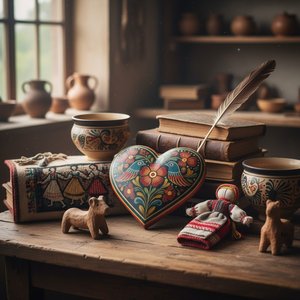
The boundaries between naïve art, folk art, and outsider art can be surprisingly fluid. Folk art, as defined by Wikipedia, encompasses visual art created within a specific cultural tradition, often with practical utility. It’s rooted in community practices and passed down through generations. Outsider art, coined by Roger Cardinal, refers to work created by self-taught individuals outside the mainstream art world—often those on the fringes of society or experiencing mental health challenges. The key difference lies in context.
Naïve art emerges from within a sophisticated culture but consciously rejects its conventions. Folk art is embedded *within* a traditional community, while Outsider art exists largely *outside* of both. However, these categories often overlap. An artist like Emma Schrock, painting rural scenes from her Mennonite background, could be considered both naïve and folk. The term “primitive,” historically used to describe all three, is now widely discouraged due to its colonial connotations. Understanding these nuances allows for a more informed appreciation of each unique artistic expression.
Key Figures & Lasting Influence: Notable Artists and Their Contributions
Folk art covers all forms of visual art made in the context of folk culture. Definitions vary, but generally the objects have practical utility of some kind, rather than being exclusively decorative. The makers of folk art are typically trained wi...
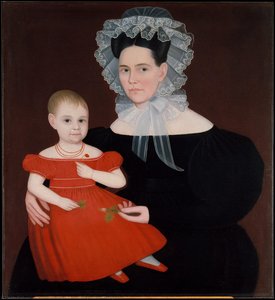
Henri Rousseau remains the quintessential naïve artist, his jungle scenes and self-portraits challenging conventional notions of skill and perspective. Ammi Phillips (1788-1865), an itinerant portrait painter in early America, developed a distinctive style characterized by clarity, precision, and intimate depictions of his subjects. Grandma Moses (1860-1961) achieved widespread recognition for her charming scenes of rural life, becoming one of the most beloved American artists of the 20th century.
More recently, artists like William Leroy Hawkins and Jimmy Lee Sudduth have gained prominence for their unique visions. Hawkins’ bold colors and expressive forms capture the energy of everyday life, while Sudduth’s finger paintings evoke the spirit of the American South. These artists demonstrate that artistic talent isn't limited by formal training—that genuine passion and a unique perspective are all that’s needed to create compelling and meaningful work. Their influence continues to inspire contemporary artists and collectors alike.
Collecting Naïve Art Today: Appreciation, Value & Finding Your Piece
The market for naïve art has grown significantly in recent decades, reflecting a broader appreciation for self-taught and outsider artists. Value is determined by several factors—the artist’s reputation, the quality of the work, its provenance (history of ownership), and its condition. However, perhaps the most important factor is personal connection. Naïve art speaks to something deeply human within us—a longing for simplicity, authenticity, and emotional honesty.
When collecting naïve art, it’s essential to do your research and work with reputable dealers or galleries. ArtsDot.com offers a curated selection of handmade oil paintings inspired by the masters of naïve art, allowing you to bring these captivating works into your home. Whether you're drawn to the vibrant colors of Hawkins, the charming scenes of Moses, or the unique perspective of Sudduth, there’s a piece out there waiting to be discovered. Explore our collection today and experience the enduring appeal of this unconventional yet profoundly moving art form.