
The Subconscious Unveiled: Defining the Surrealist Vision
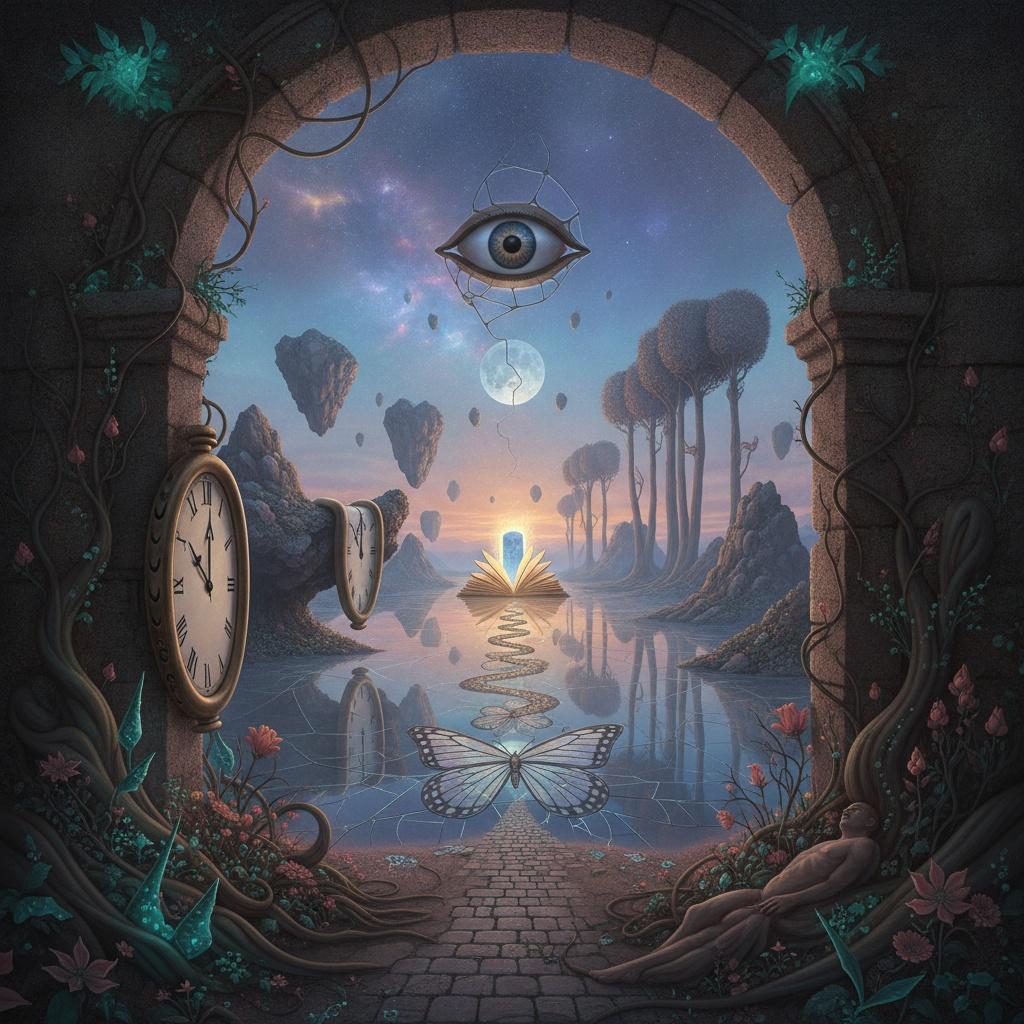
To step into the world of Surrealism is to abandon the familiar comforts of the waking world and surrender to the beautiful, often unsettling, logic of the dream. While my heart will always find its sanctuary in the sun-drenched gardens of Monet or the soft, rhythmic strokes of Renoir, there is an undeniable, haunting allure to the movement that emerged from the shadows of the early twentieth century. Surrealism was never merely an aesthetic choice; it was a profound rebellion against the constraints of rationalism. It sought to bridge the gap between the conscious mind and the vast, untamed territory of the subconscious, finding truth not in what we see with our eyes, but in what we feel in the depths of our sleeping minds.
This movement, born from the ashes of Dadaism, invited artists to explore the unexpected juxtapositions and bizarre imagery that reside within our psyche. It was a period where the boundaries of reality became fluid, allowing for a new kind of visual poetry. For the discerning lover of art, understanding Surrealism requires an openness to the irrational—a willingness to embrace the strange, the uncanny, and the marvelous. It is a journey into the heart of human desire, fear, and memory, rendered through a lens that defies the laws of physics and the limitations of logic.
Dreamscapes and Distortions: Exploring Iconic Masterpieces
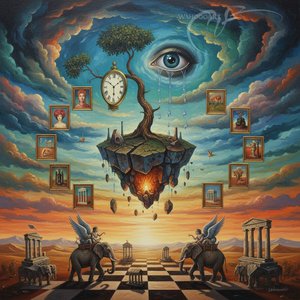
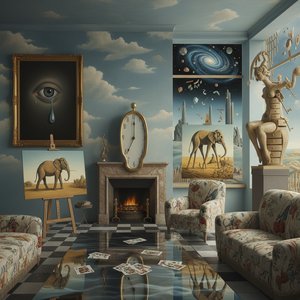
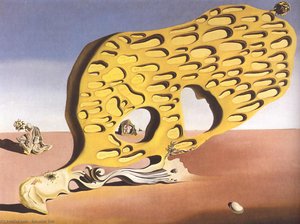
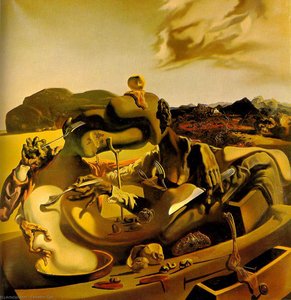
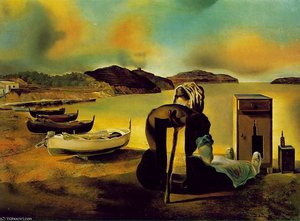
When we speak of the masters of this dreamlike realm, certain names evoke images that linger long after the gallery lights have dimmed. Consider the works of Salvador Dalí, whose technical precision was used to render the most impossible of visions with a startling, almost photographic clarity. His ability to manipulate time and space—making the hard appear soft and the permanent appear fleeting—remains one of the most captivating feats in art history. In his hands, the canvas becomes a stage for the theater of the mind, where every melting clock or distorted figure tells a story of psychological tension.
Yet, the movement was far from monolithic. While Dalí leaned into the hyper-realistic depiction of nightmares, others sought a more abstract, symbolic language. We see this in the vibrant, rhythmic compositions of Joan Miró, whose work often feels like a playful dance of primordial shapes and celestial symbols. His 1917 Self-Portrait, for instance, showcases an early modernist energy, utilizing bold textures and colors that hint at the whimsical yet profound abstraction to come. There is also the more somber, classical influence found in the works of Paul Delvaux. In pieces like The Sabbath, one encounters a haunting, nocturnal stillness, where classical figures inhabit a landscape that feels both ancient and otherworldly, evoking a sense of quiet mystery that resonates deeply with the soul.
The Architecture of Dreams: From Dalí’s Visions to Miró’s Symbols
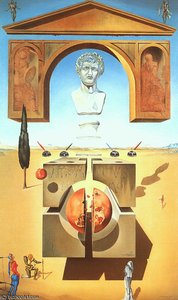
To truly appreciate Surrealist mastery, one must look closely at the architecture of their compositions. These artists did not merely paint scenes; they constructed entire universes governed by their own internal laws. In Dalí’s Temple - Sketch for a Set Design, we see how he could use simple objects—an umbrella, perhaps, or a structural element—to anchor a vast, surrealist vision, creating a sense of scale that is both epic and intimate. The way he integrates these elements reflects a meticulous planning of the subconscious, as if he were drafting the blueprints for a dream before it even began to unfold.
In contrast, the architecture of Miró’s world is built upon the language of signs. His canvases are often populated by organic forms, thin lines, and sudden bursts of primary color that act as a visual shorthand for complex emotions. There is no traditional perspective here, only a rhythmic arrangement of symbols that guide the eye through a celestial landscape. This structural difference highlights the breadth of the movement: where one artist builds a stage for a drama, another creates a constellation of meaning. Both, however, share the same fundamental goal—to bypass the intellect and speak directly to the intuition.
Beyond the Canvas: The Psychological Depth of Surrealist Imagery
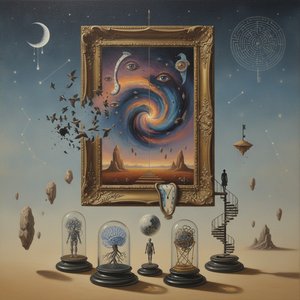
The true power of Surrealism lies in its ability to evoke a visceral emotional response through psychological depth. These paintings are not mere decorations; they are mirrors held up to our deepest anxieties and most secret longings. The use of shadow, the unexpected scale of objects, and the placement of figures in desolate landscapes all serve to trigger a sense of the unheimlich—the uncanny. It is that peculiar feeling of encountering something familiar yet strangely transformed, which can stir both fascination and dread within the viewer.
This depth is achieved through a mastery of technique that honors the tradition of the Old Masters while applying it to new, radical subjects. The heavy impasto and rich tonal ranges found in many of these works provide a tactile reality to the impossible. When we see a hand-painted reproduction that captures the true texture of the original brushwork, the dream feels more tangible, more present. It is this tension between the physical reality of the paint and the illusory nature of the subject matter that creates the profound impact characteristic of Surrealist art.
Bringing the Dream Home: Curating Surrealism in Modern Interiors
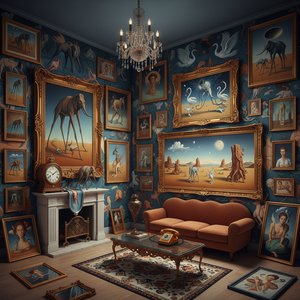
For the collector who seeks to infuse their living space with intellectual intrigue and emotional resonance, Surrealism offers an unparalleled opportunity. Integrating such evocative works into a home requires a delicate touch, much like the curation of an Impressionist collection. A single, powerful piece—perhaps a large-scale reproduction of a Dalí landscape or a more subtle, abstract Miró—can serve as a profound focal point, inviting conversation and contemplation.
When selecting art for your sanctuary, consider how the dreamlike qualities of Surrealism will interact with your existing decor. These pieces pair exquisitely with modern, minimalist interiors, where their complexity can stand out against clean lines, or they can add a layer of historical depth to more classical settings. Whether through a multi-panel arrangement that spans a wide wall or a carefully placed portrait that adds a touch of the mysterious, bringing these visions into your home allows you to live within the beauty of the extraordinary every single day.
At ArtsDot.com, we believe that fine art should be an accessible part of one's life. We specialize in creating museum-quality, hand-painted oil reproductions that honor the soul and technique of the masters. Our artists, trained in the finest academies, meticulously recreate the textures and depths of these iconic works on 100% cotton canvas, ensuring that the magic of the original is preserved for your enjoyment. Whether you are looking to explore the light of the Impressionists or the shadows of the Surrealists, we invite you to discover a world of timeless beauty.