The Luminous Revolution: Embracing the Fleeting Moment
 Impressionistic Landscapes: 10 Masterpieces That Changed Art & Decor
Introduction To gaze upon these ten canvases is to step directly into a world transformed by light, color, and an unprecedented embrace of the fleeting moment. The Impressionistic Landscape movement wasn’t merely a shift in painting technique; it was...
To step into the world of the Impressionists is to leave behind the heavy, somber shadows of academic tradition and enter a realm bathed in dappled sunlight. In the mid-19th century, a group of courageous rebels in France sought to dismantle the rigid constraints of the Salon, turning their gaze away from historical grandeur toward the ephemeral beauty of the present moment. They were masters of the optical moment, capturing the way light dances across a river's surface or shimmers through a summer breeze before it inevitably changes. This was not merely a shift in painting technique; it was a revolution in perception—a bold declaration that reality is not a fixed, static entity, but rather a shimmering, subjective experience.
The invention of portable paint tubes allowed these visionaries to work en plein air, directly under the vast sky, capturing the direct effects of atmosphere and movement. Through broken brushstrokes and vibrant palettes, artists like Monet, Renliar, and Degas rejected the meticulous detail of their predecessors in favor of an immediacy that felt as fresh as a morning mist. Their canvases became windows into a world transformed by light, where colors dance and vibrate with an ethereal quality. For those of us who have spent decades admiring these works, we recognize that they do not just depict a place; they capture the very sensation of being present within it, celebrating the fleeting beauty of a life lived in the light.
The Poetry of Decay: Finding Beauty in Nature's Transitions
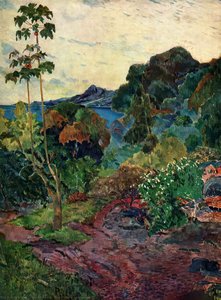 Martinique Landscape
Captivating Subject and Lush Landscape Immerse yourself in the vibrant beauty of a tropical paradise captured through the masterful brushwork of Paul Gauguin. This evocative scene depicts the lush, mountainous terrain of Martinique, where the natural...
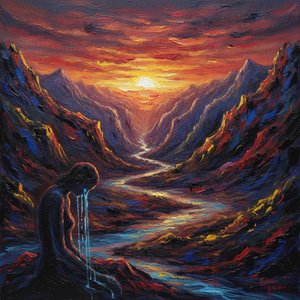
There is a profound, quiet grace found in the way nature moves through its cycles of growth and decline. While much of art history has sought to immortalize the eternal, the Impressionist eye finds a unique, melancholic splendor in the transient. We see it in the way a summer meadow begins to yield to the golden, brittle textures of autumn, or how the lush, vibrant greenery of a tropical landscape—much like those captured by Paul Gauguin in Martinique—eventually gives way to the shadows of dusk. This fascination with the ephemeral allows us to witness the beauty of transition, where the decay of a petal or the fading of a sunset is not seen as an end, but as a vital, colorful part of life's continuous movement.
This appreciation for the temporary invites a deeper connection to the earth beneath our feet. When we observe the textured surfaces and the interplay of light and shadow in a landscape, we are reminded that nothing is permanent. The Impressionist technique, with its spontaneous and gestural strokes, mirrors this natural rhythm. By focusing on the way light interacts with changing textures—the softening of a leaf, the dampness of earth after rain—these artists teach us to find wonder in the very process of change. It is a celebration of the organic, where even the most delicate moment of decline is imbued with a luminous, breathtaking vitality.
Beyond the Surface: Post-Impressionism and the Weight of Emotion
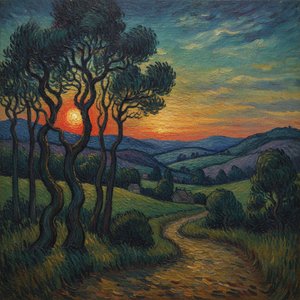 Beyond the Light: Capturing Raw Emotion and Subjective Vision in Post-Impressionist Landscapes
The Impressionist Foundation: From Fleeting Light to Lasting Emotion Beyond Impressionism: The Emotional Depth and Vibrant Evolution of Post-Impressionist Landscapes The Impressionist Foundation: Capturing Light Before the Revolution Landscape painti...
As we move beyond the purely optical concerns of the Impressionists, we encounter a generation of artists who found the focus on light to be somewhat incomplete. The dawn of Post-Impressionism brought a growing restlessness, a desire to use the brilliant colors of their predecessors to build a much more complex, subjective, and emotionally resonant architecture of vision. These artists sought something more profound than what is merely seen by the eye; they sought an expression of inner emotion, symbolic meaning, and a deeper engagement with form.
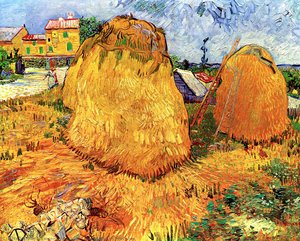
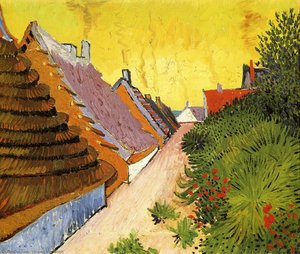
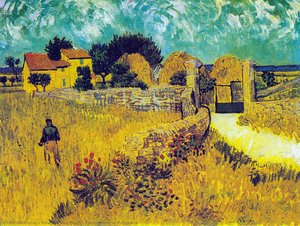
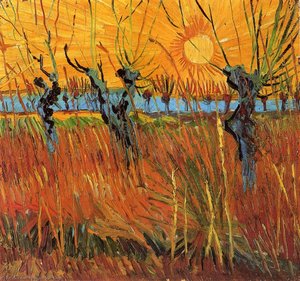
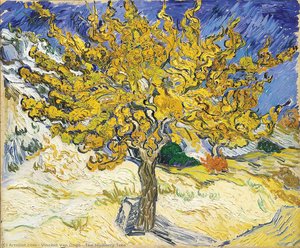
In the works of masters like Vincent van Gogh, the landscape becomes a vessel for raw, human feeling. One need only look at The Starry Night to feel the swirling energy of the cosmos or the profound movement within the sky. His use of thick, rhythmic brushstrokes and intense color brings a structural weight to the era, allowing the viewer to feel a fraction of the emotion behind each stroke. Similarly, the Post-Impressionist landscapes often utilize bold colors and heavy textures to convey a sense of spiritual or psychological depth. This movement transformed the landscape from a mere depiction of scenery into a profound exploration of the soul, where the physical world is distilled through the lens of intense, subjective experience.
A Legacy of Light: How Masterpieces Preserve the Ephemeral
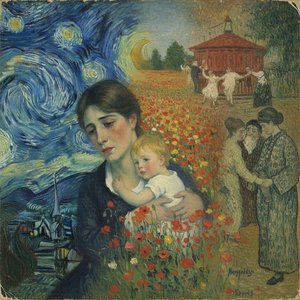 Capturing the Soul: The Most Emotionally Moving Impressionist and Post-Impressionist Masterpieces
The Luminous Revolution: How Impressionism Redefined the Art of Seeing Impressionistic Landscapes: 10 Masterpieces That Changed Art & Decor Introduction To gaze upon these ten canvases is to step directly into a world transformed by light, color, and...
The true magic of these masterpieces lies in their ability to freeze time without stripping it of its movement. A painting by Claude Monet or Pierre-Auguste Renoir does not act as a static relic; rather, it acts as a living memory. Through the careful application of color and light, these artists have managed to preserve the "optical moment" for generations to come. They have captured the way sunlight filters through trees or reflects off water in such a way that the energy of that specific second remains palpable even centuries later.
This preservation is not about stopping time, but about honoring its passage. When we stand before a canvas that depicts a serene stream or a sun-drenched field, we are participating in a shared history of seeing. The legacy of these artists lies in their ability to make the temporary feel eternal. By focusing on the fleeting, they have created works that possess an enduring power, allowing us to revisit the beauty of a lost afternoon or a vanished season whenever we choose. Their art serves as a bridge between the ephemeral present and the lasting human spirit.
Curating Serenity: Bringing Impressionist Soul into the Modern Home
 Beyond the Horizon: 10 Landscape Masterpieces for Your Home Decor
Introduction The landscape… a word that evokes not just a visual scene, but a feeling. A sense of belonging, perhaps, or the humbling vastness of nature. For millennia, artists have turned to the land – its mountains, forests, and seascapes – as a so...
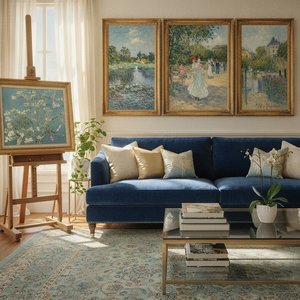
For the true lover of art, the desire to surround oneself with these luminous worlds is a way to invite peace and reflection into our daily lives. Integrating the Impressionist spirit into a modern interior is not merely about decoration; it is about creating a sanctuary of light and color. Whether it is a large-scale landscape that brings the vastness of a mountain range into a living room, or a delicate portrait that adds a touch of Parisian grace to a study, these works transform the atmosphere of a home.
To curate such a space is to engage in a continuous dialogue with beauty. One might choose pieces that emphasize soft, pastel palettes to evoke tranquility, or perhaps more vibrant, textured works to stimulate the senses. The goal is to create an environment where the whispers of the past meet the vibrant energy of the present. By surrounding ourselves with the textures of oil on canvas and the evocative light of the masters, we turn our homes into galleries of emotion, ensuring that the beauty of the fleeting moment remains a constant, comforting presence in our lives.