The Alchemy of Pigment: Understanding the Ethereal Essence of Pastel and Chalk
The Alchemy of Pigment: Understanding the Composition and Tactility of Pastel Pastel - The Metropolitan Museum of Art --- title: Pastel - The Metropolitan Museum of Art url: https://www.metmuseum.org/perspectives/materials-and-techniques-drawing-past...
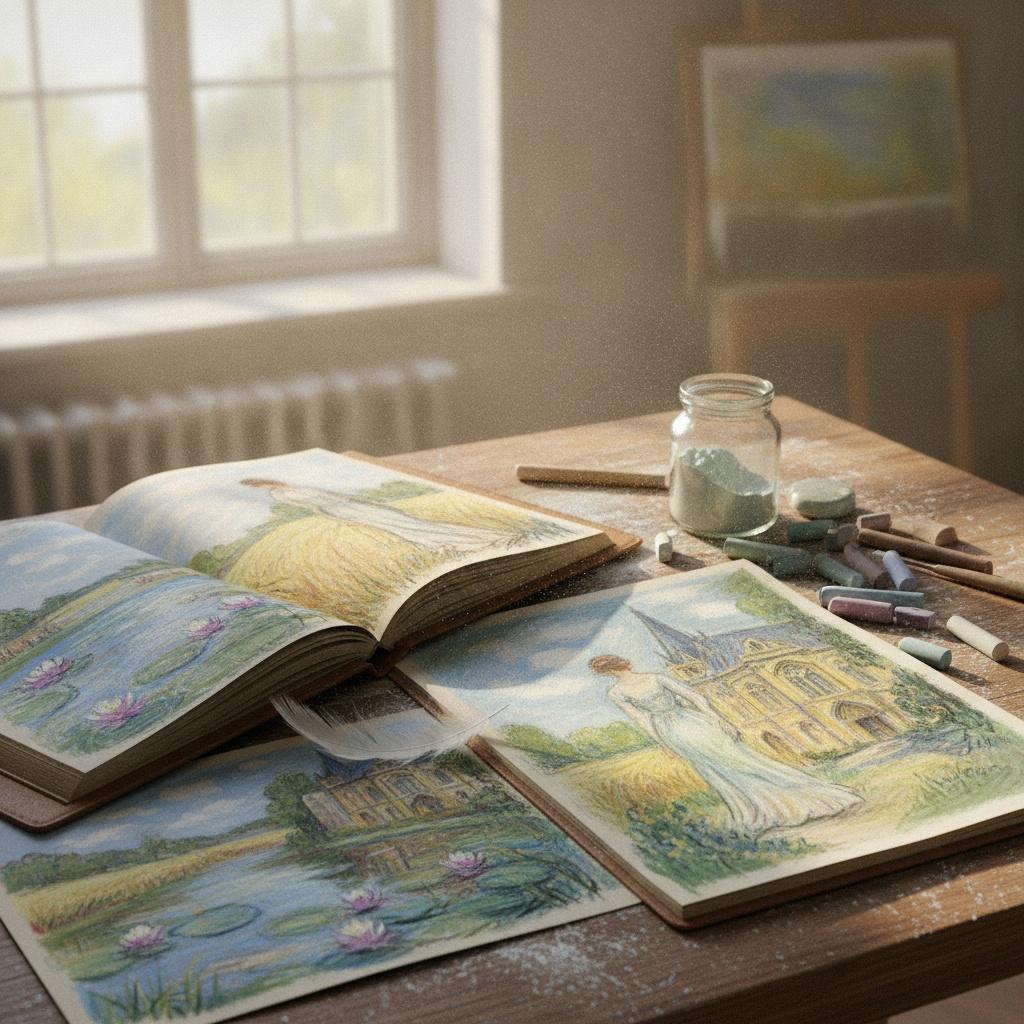
To encounter a true pastel work is to step into a realm where the boundary between pigment and air begins to dissolve. Unlike the heavy, structural permanence of oil paint, which relies on a substantial medium to bind color to canvas, pastel offers an ethereal immediacy. At its most fundamental level, this medium is composed of pure, concentrated pigment held together by a minimal amount of binder—often just a minuscule trace of gum tragacanth or methyl cellulose. This lack of heavy resin allows the eye to perceive not merely color, but a delicate dusting of light that seems to vibrate against the surface of the paper.
The magic of this medium lies in its physical interaction with the substrate. Because the pigment sits atop the grain of the paper rather than being forced into it through heavy oils, there is an inherent velvety texture that defines the medium's character. This creates a unique vocabulary of softness and tactility; when one gazes upon a masterwork, the eye perceives a multidimensional depth. The presence of inert white fillers, such as calcium carbonate or kaolin, provides a structural body to the sticks while maintaining their characteristic ability to crumble slightly when stroked across a support. It is this very fragility—this lightness of touch—that imbues pastel art with its signature romanticism.
A Symphony of Light: How Impressionists Captured the Fleeting Moment
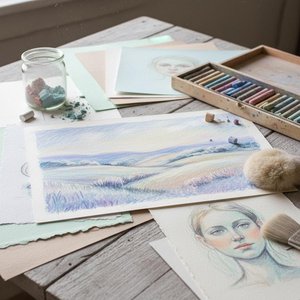 The Magic of Pastel Art: A Guide to Soft Colors and Velvately Textures in Impressionist Masterpieces
The Essence of Pastel: Understanding the Medium's Softness and Tactility To encounter a pastel work is to step into a realm where the boundary between pigment and air begins to dissolve. Unlike the heavy, structural permanence of oil paint, pastel of...
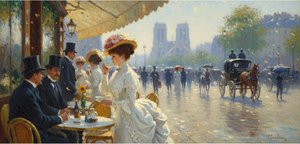
The history of pastel and chalk is inextricably linked to the evolution of light in Western art, reaching its zenith during the Impressionist revolution. While oil painters often struggled with long drying times to capture a sunset, pastel artists possessed the ability to record the instant. This immediacy allowed them to chase the sun, translating the ephemeral shifts of dawn and capturing the transient nature of modern life, where light is never static but always in motion. The medium became the preferred language for those seeking to document the fleeting nuances of atmosphere and emotion.
Consider the profound influence of masters such as Edgar Degas, whose works capture the graceful, fleeting motion of a ballerina through light-drenched, delicate techniques. In these works, we see the true power of the medium: it is not just about color, but about the way light dances across a surface. The Impressionists utilized the soft, blended gradients and sharp, decisive strokes of pastel to create a sense of movement even in stillness. Through this lens, art becomes less about the depiction of objects and more about the capture of a feeling—a momentary breath held in time.
Tracing the Line: From Van Gogh’s Early Sketches to Post-Impressionist Emotion
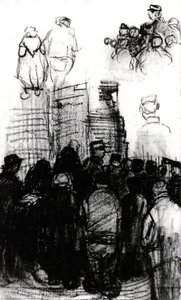 Sketches for the Drawing of an Auction
Sketches for the Drawing of an Auction, 1885 - Vincent van Gogh Vincent van Gogh’s “Sketches for the Drawing of an Auction,” created in 1885 during his formative years as an artist, stands as a cornerstone of his artistic development and embodies the...
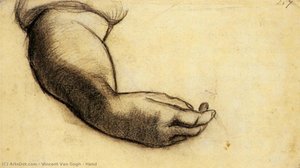
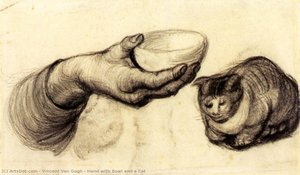
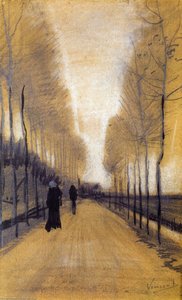
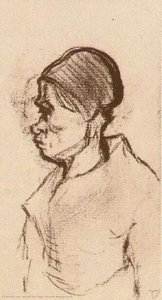
While we often associate the Impressionists with vibrant color, the use of chalk and charcoal reveals a much deeper, more introspective side of the movement's evolution. Vincent van Gogh, particularly during his formative years, utilized these monochromatic tools to explore the very essence of form and decay. In works such as Sketch of an Eroded Garden-Wall Ornament, we see a fascinating window into his early exploration. This delicate chalk drawing reveals his keen observational skills and a burgeoning interest in finding beauty within the weathered and the worn.
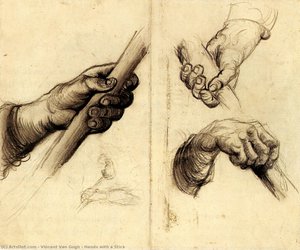
As Van Gogh transitioned toward Post-Impressionism, his use of line became increasingly expressive. In his preparatory sketches, such as those for the Drawing of an Auction, he employed charcoal to convey raw emotion and a sense of restlessness. These works are not merely studies for larger paintings; they are direct conduits to the artist's mind. The varying density of his lines mimics the rough texture of stone or the energy of a crowd, demonstrating how even the simplest medium can carry an intense emotional charge. This movement away from purely representational art toward a more personal, subjective vision is where the true soul of Post-Impressionism resides.
Tactile Beauty: The Sensory Power of Texture in a Digital Age
In our contemporary world, dominated by the high-definition, hyper-saturated glare of digital screens and the flat, glossy finish of mass-produced posters, there is a growing hunger for something more tactile. We live in an era of visual noise, where everything screams for attention but very little actually touches the soul. This is precisely why the physical presence of pigment in works like pastels and chalk drawings remains so vital. Unlike the slick, untouchable surface of a digital print, these mediums offer a velvety, multidimensional depth that catches the light and holds it captive.
The beauty of a hand-painted reproduction lies in its ability to provide a sensory counterpoint to the digital age. When one observes the visible brushstrokes or the delicate hatching of a chalk drawing, the eye perceives a physical reality that cannot be replicated by a printer. There is a weight and a substance to the texture—a way for the artwork to occupy space and interact with the environment. It is this very tactility that allows an artwork to transcend mere decoration and become a profound sensory experience.
Curating Atmosphere: Integrating Soft Textures into the Modern Collector's Home
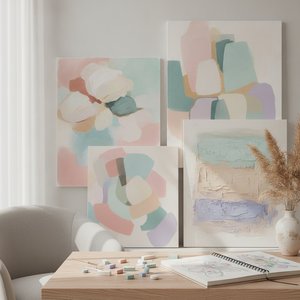 Soft Texture, High Impact: The Ultimate Buyer's Guide to Mastering Pastel Art for Modern Interiors
Beyond the Hype: Why Pastel Art is the Ultimate Texture Play for Your Space In a world dominated by the high-definition, hyper-saturated glare of digital screens and the flat, glossy finish of mass-produced posters, there is a growing hunger for some...
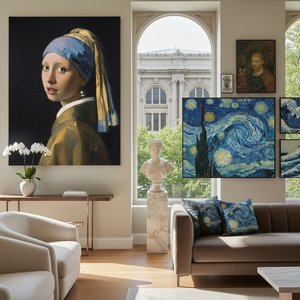
For the discerning collector, introducing pastel or chalk-inspired art into a space is a sophisticated way to curate an atmosphere of depth. These works serve as the ultimate texture play for modern interiors, providing a much-needed softness to balance the hard edges of contemporary furniture and the industrial textures of urban living. A pastel piece does not merely decorate a wall; it introduces a layer of sensory complexity that can transform a room from a mere living space into a sanctuary of reflection.
Whether through the ethereal luminosity of an Impressionist landscape or the emotive, textured lines of a Post-Impressionist sketch, these artworks invite a sense of timelessness. By choosing pieces that emphasize light and texture, you are not just selecting decor; you are curating a legacy of beauty. At ArtsDot.com, we celebrate this enduring passion for the masters. We invite you to explore our curated collection of hand-painted reproductions, where every stroke is a testament to the artistry of the past, brought to life for the modern connoisseur.