


The Alchemy of Egg and Pigment: Understanding the Tempera Medium
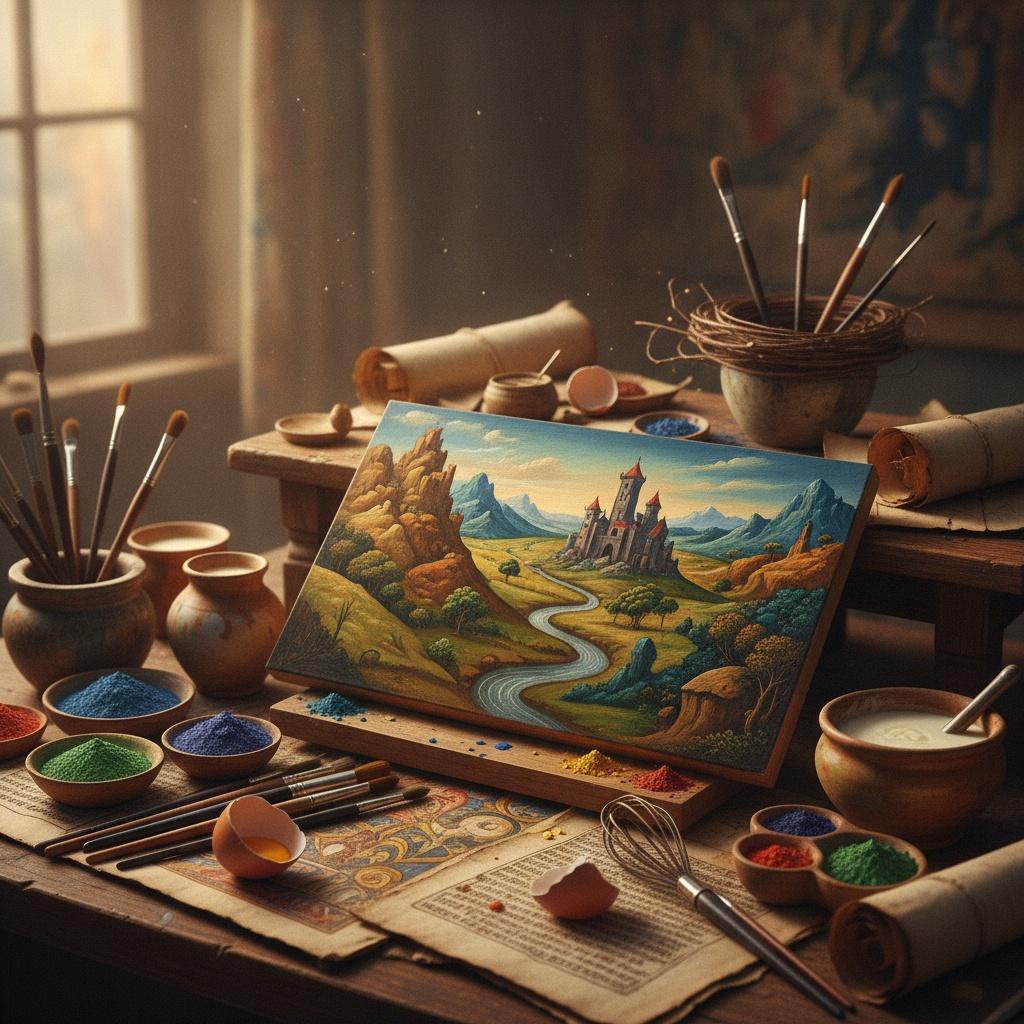
To touch upon the subject of tempera is to revisit a time when art was not merely an expression of the self, but a profound ritual of transformation. Long before the fluid, expressive freedom of oil paints allowed for the sweeping gestures we admire in the Impressionist masters, there existed a more disciplined, almost alchemical process. The heart of this medium lies in its humble yet potent ingredients: the yolk of an egg, acting as a delicate binder, and pure, ground pigments derived from the earth, minerals, and precious stones.
There is a certain quiet magic in the way the egg yolk interacts with color. Unlike the heavy, translucent layers of oil that can sit atop a canvas, tempera demands a marriage of precision and patience. As the emulsion dries, it creates a surface that is remarkably matte yet possesses an internal luminosity, as if the light itself is trapped within the microscopic layers of the paint. This is not the dramatic, shadowed chiaroscary of later eras, but a soft, even radiance—a gentle glow that feels as though it emanates from within the subject rather than reflecting off its surface.
For the artist, working with egg tempera is an exercise in mindfulness. One cannot rush the medium; each stroke must be deliberate, often applied in fine, cross-hatched patterns to build depth and tone. It is a technique that rewards the contemplative soul, much like the slow unfolding of a flower in spring. This disciplined approach ensures a permanence that has allowed countless works to survive the centuries, their colors remaining as vibrant today as they were when the yolk first met the pigment.
A Golden Era of Devotion: The Role of Tempera in Medieval Manuscripts
If we look back through the corridors of history, specifically into the heart of the Middle Ages, we find tempera at its most sacred. During this era, the art of illumination turned the written word into a divine experience. Within the quiet confines of the scriptorium, monks and master illuminators labored over vellum, transforming liturgical texts into windows to the heavens. The works of masters like Don Silvestro dei Ghiberti or the exquisite pages of the Gradual from Santa Maria degli Angeli serve as breathtaking testaments to this devotion.
In these manuscripts, tempera was never a solitary actor; it danced alongside gold leaf. The application of precious metals allowed the light of flickering candles to catch upon the page, creating a sense of movement and divine presence. We see this in the intricate floral motifs and the celestial ascents depicted in 14th-century Florentine works, where the vibrant colors of the tempera provide a rich, textured backdrop for the shimmering gold. These were not merely books; they were reliquaries of knowledge and faith.
The artistry extended to every corner of the page, from the birth of the Virgin in beautifully illuminated initials to the royal processions captured in rare Antiphonaries. The use of tempera allowed for a level of detail that felt both intimate and monumental. Every tiny petal, every fold of silk, and every saintly expression was rendered with a clarity that spoke of an eternal truth. To gaze upon these manuscripts is to feel the pulse of a bygone era, where every brushstroke was an act of prayer.
Luminous Layers: The Meticulous Technique of the Old Masters
The mastery required for true tempera painting lies in the understanding of layering. Because the medium dries almost instantly upon contact with the surface, the artist cannot blend colors directly on the panel as one might with oils. Instead, they must build form through a meticulous accumulation of translucent glazes and fine lines. This process, while demanding, allows for an unparalleled clarity of light. It is a technique of additive beauty, where complexity is achieved through the repetition of simple, careful actions.
Consider the way a master would approach the rendering of skin or the soft drape of a garment. By layering thin, watery washes of pigment, they could create subtle transitions in shadow and highlight that felt incredibly lifelike, yet possessed a dreamlike, ethereal quality. This is why many Renaissance works feel so much more "present" than mere portraits; there is a structural integrity to the light, a sense that the anatomy beneath the surface is being illuminated by an unseen source.
This era of craftsmanship also saw the rise of specialized artists, such as those within the North Western Italy Scriptorium or the celebrated French illuminators like the Coëtivy Master. These individuals were not just painters; they were architects of light. Their ability to manipulate the drying properties of egg tempera allowed them to create textures that mimicked the richness of velvet, the smoothness of marble, and the delicate translucency of human flesh, all while maintaining a cohesive, luminous atmosphere across the entire composition.
From Scriptorium to Gallery: The Enduring Legacy of Tempera's Glow
As the centuries progressed and the Renaissance gave way to the more fluid movements of the Baroque and eventually the Impressionist era, the dominance of egg tempera began to wane. The arrival of oil painting offered a new vocabulary of emotion—one of bravado, thick impasto, and dramatic shadows. Yet, the essence of tempera never truly vanished; it merely evolved, leaving an indelible mark on the DNA of Western art.
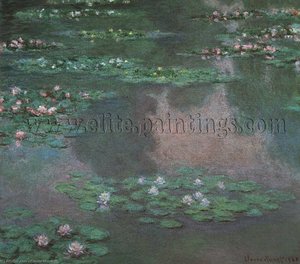
The legacy of tempera lives on in our appreciation for clarity, detail, and the subtle interplay of light. When we stand before a Monet or a Renoir, marveling at the way light dances across a water lily, we are experiencing a descendant of that original, luminous impulse. While the techniques changed, the fundamental human desire to capture the "glow" of a moment remains constant. The precision found in a 15th-century manuscript finds its echo in the careful color studies of the Post-Impressionists.
Today, we find ourselves in a beautiful era of rediscovery. We no longer view these historical techniques as relics of a dead past, but as foundational pillars of our visual language. The ability to appreciate the structural brilliance of tempera allows us to better understand the emotive power of later movements. It provides us with a sense of continuity, connecting the disciplined devotion of the medieval monk to the sensory explorations of the modern collector.
Preserving the Radiance: Modern Appreciation and the Art of Reproduction
In our contemporary world, where much of our visual experience is fleeting and digital, there is a profound longing for the tactile and the permanent. This is why the art of hand-painted reproduction has seen such a resurgence among true connoisseurs. To hold or to hang a work that honors these classical traditions is to bring a piece of history into the modern home—a way to anchor our spaces with the weight of tradition and the warmth of human touch.
At ArtsDot.com, we believe that fine art should be accessible to all who cherish its beauty. Our mission is to preserve the soul of these historical techniques through the hands of master artists who hold degrees from prestigious academies. When we create a handmade oil reproduction, we are not merely copying an image; we are attempting to capture the very essence of the original—the visible brushstrokes, the depth of tone, and that unmistakable, luminous glow that defines the masters.
Whether it is a custom commission that transforms a personal memory into a masterpiece or a meticulously crafted reproduction of a Renaissance treasure, our process is one of reverence. We invite you to explore a world where history meets artistry, and where every painting is a testament to the enduring power of light and color. Through our dedication to quality and authenticity, we ensure that the timeless glow of the masters continues to illuminate the homes and hearts of collectors worldwide.