The Scriptorium's Soul: The Sacred Art of Illuminated Manuscripts
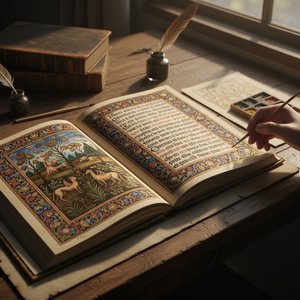
To step into the world of the early medieval period is to enter a realm where the boundary between the earthly and the divine was as thin as a sheet of vellum. In the quiet, candlelit chambers of the North Western Italy Scriptorium and similar monastic retreats across Europe, art was not merely an aesthetic pursuit but a profound act of devotion. Here, the scribe and the illuminator worked in rhythmic unison, transforming raw animal skins into vessels of eternal wisdom. These manuscripts were more than books; they were sacred objects, birtule-born from the meticulous labor of monks who viewed every stroke of the pen as a prayer.
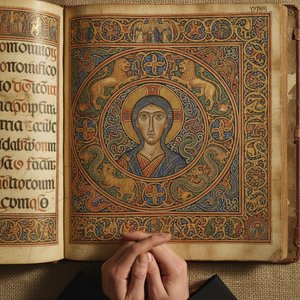
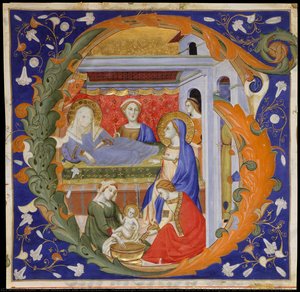
The artistry found within these pages, such as the exquisite Vercelli Book, Mendaleo, reveals a breathtaking level of craftsmanship. One can almost feel the texture of the aged parchment, a surface prepared with immense patience to receive the delicate Latin script and flourishing floral details. This was an era where the slow, deliberate movement of the hand served to honor the weight of the words being recorded. The illumination process—the application of color and light—was designed to catch the eye of the faithful, drawing them away from the mundane world and into a meditative state of wonder.
As we gaze upon these ancient leaves, we recognize that the true soul of the scriptorium lay in its ability to preserve human thought through sheer physical endurance. The intricate details were not mere decorations; they were architectural elements of a spiritual landscape, built layer by layer, pigment by pigment, to ensure that the light of knowledge would never truly fade from the historical record.
Gilded Heavens: The Symbolic Power of Gold and Light
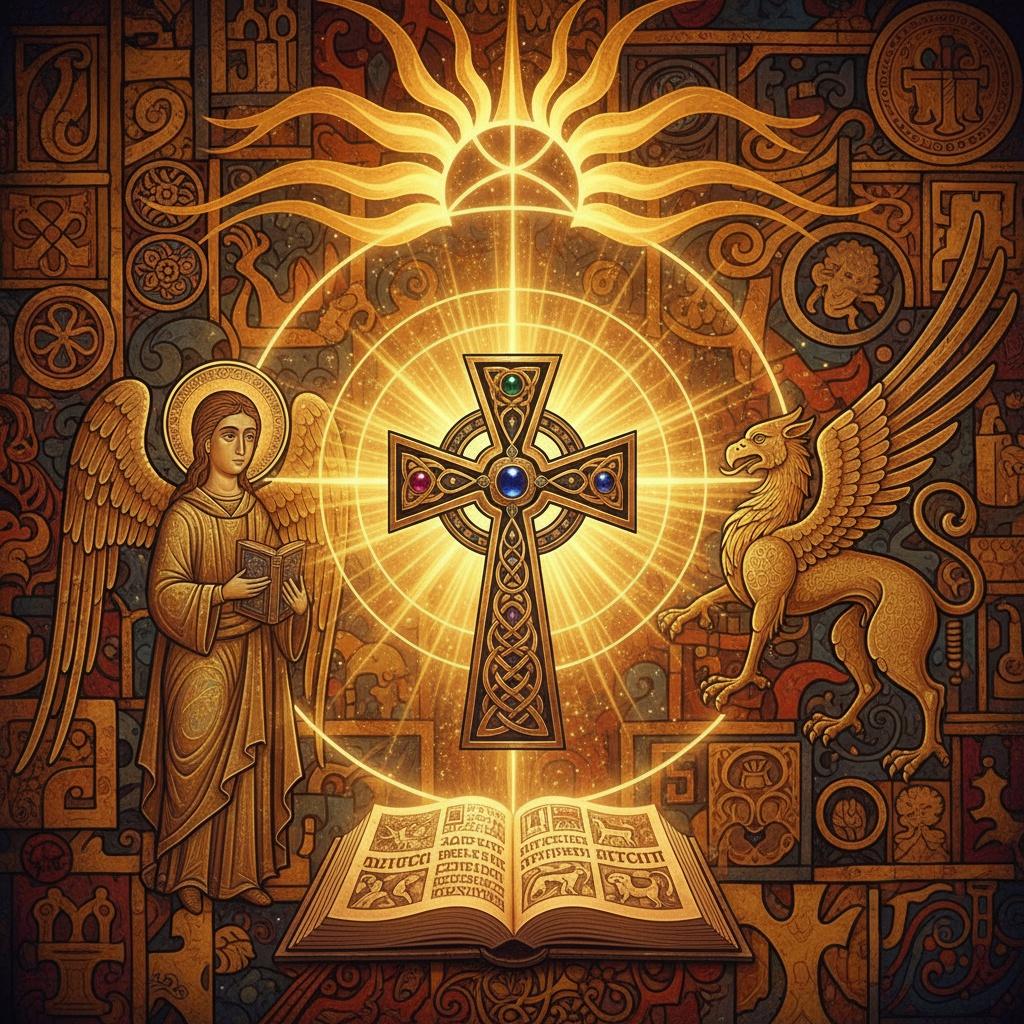
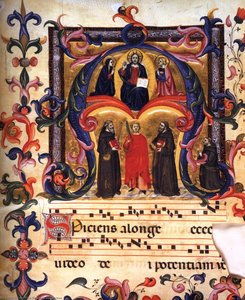
In the medieval imagination, light was synonymous with the presence of God. Therefore, the use of gold in manuscript illumination was never a display of worldly wealth, but rather an attempt to capture a fragment of the celestial realm. When a reader turned a page from an Antiphonary or a Gradual, the flickering candlelight would dance across surfaces of real gold leaf, creating a shimmering, breathing effect that suggested the divine was physically present within the text.
This golden light served a dual purpose: it provided a visual hierarchy and acted as a symbolic bridge. The rich gold details found in works like those by Giovanni Pietro da Cemmo allowed the artist to create depth and radiance that no other pigment could achieve. This luminosity transformed flat surfaces into windows of transcendence. The interplay between the heavy, dark pigments and the brilliant, reflective gold created a tension that mirrored the human condition—the struggle between our earthly shadows and our spiritual aspirations.
The mastery of this technique required an intimate understanding of chemistry and light. By layering precious metals with translucent glazes, medieval masters achieved a three-dimensional brilliance. To behold these works is to witness a deliberate orchestration of luminosity, where the very material of the art serves to illuminate the spiritual truths contained within its borders.
Narrative in Ink: Biblical Epics and Processional Scenes
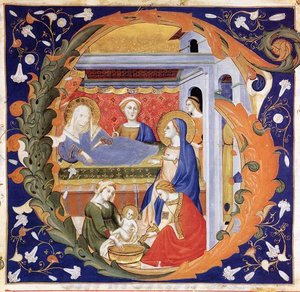
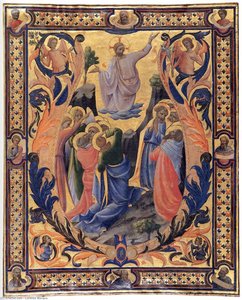
Beyond the abstract beauty of gold and flora, medieval manuscripts functioned as vibrant storybooks for the soul. Within the margins of great liturgical books, history and scripture were brought to life through complex narrative cycles. We see this vividly in manuscript leaves that depict funeral processions or the dramatic biblical accounts of figures like Joseph. These illustrations were not merely supplementary; they were essential components of a visual liturgy.
Consider the profound emotion captured in an initial R depicting a funeral procession, or the tension within an illumination showing Joseph sold by his brothers. These scenes utilized a unique visual language—a blend of stylized figures and symbolic gestures—to communicate complex theological concepts to both the literate and the illiterate. The artistry allowed for a sense of movement and drama, where a single initial letter could expand into an entire world of human struggle and divine providence.
These narratives provided a rhythmic cadence to the reading experience, guiding the viewer through the triumphs and tragedies of sacred history. Through the careful arrangement of figures and the use of expressive line work, the medieval artist ensured that the epic scale of the Bible was made intimate, accessible, and deeply moving for every person who knelt before the altar.
Intricate Interlace: Geometry and Nature in Early Medieval Design
The aesthetic of the early Middle Ages is perhaps most famously defined by its obsession with pattern. The interlace motifs—those mesmerizing, unending knots and braids—represent a sophisticated understanding of geometry and organic growth. These patterns often mimicked the tangled vines of the natural world, yet they were disciplined by a mathematical precision that suggested an underlying divine order to the universe.
This design philosophy sought to find harmony between the wildness of nature and the structure of faith. In many manuscripts, we see botanical elements—tendrils, leaves, and blossoms—intertwining with rigid geometric borders. This synthesis created a sense of "sacred geometry," where every loop and knot served as a metaphor for the interconnectedness of all creation. The complexity of these designs demanded an incredible level of focus from the artist, mirroring the meditative discipline required of the monks themselves.
By studying these intricate patterns, we gain insight into a worldview that saw no separation between the beauty of a leaf and the glory of the Creator. The interlace is a visual testament to the belief that within the smallest detail of a design lies the blueprint of the infinite.
Preserving the Divine: The Legacy of Medieval Craftsmanship in the Modern Era
Though the era of the monastic scriptorium has long passed, the spirit of its craftsmanship continues to resonate through the centuries. The dedication to quality, the reverence for material, and the pursuit of beauty that defined medieval art find their modern echoes in the hands of contemporary masters. We see this legacy preserved not just in museums, but in the ongoing tradition of fine art reproduction and the meticulous recreation of historical techniques.
Today, the passion for these ancient aesthetics lives on through those who value the tactile depth of a hand-painted oil canvas or the enduring brilliance of a high-quality print. The reverence for the "Old Masters" and the medieval illuminators drives a modern movement to bring the grandeur of history into contemporary spaces. Whether through the restoration of a cherished image or the commissioning of a new work in an ancient style, we continue to honor the profound connection between human creativity and the eternal.
At ArtsDot.com, we believe that art is a bridge across time. Our mission is to ensure that the breathtaking textures, the sacred symbols, and the golden light of history remain accessible to all. From bespoke oil reproductions that capture the very impasto of a master's brushstroke to digital tools that allow you to reimagine your own history, we are dedicated to preserving the soul of human artistry for generations to come.