The Sacred Script: The Artistry and Spiritual Essence of Medieval Illumination
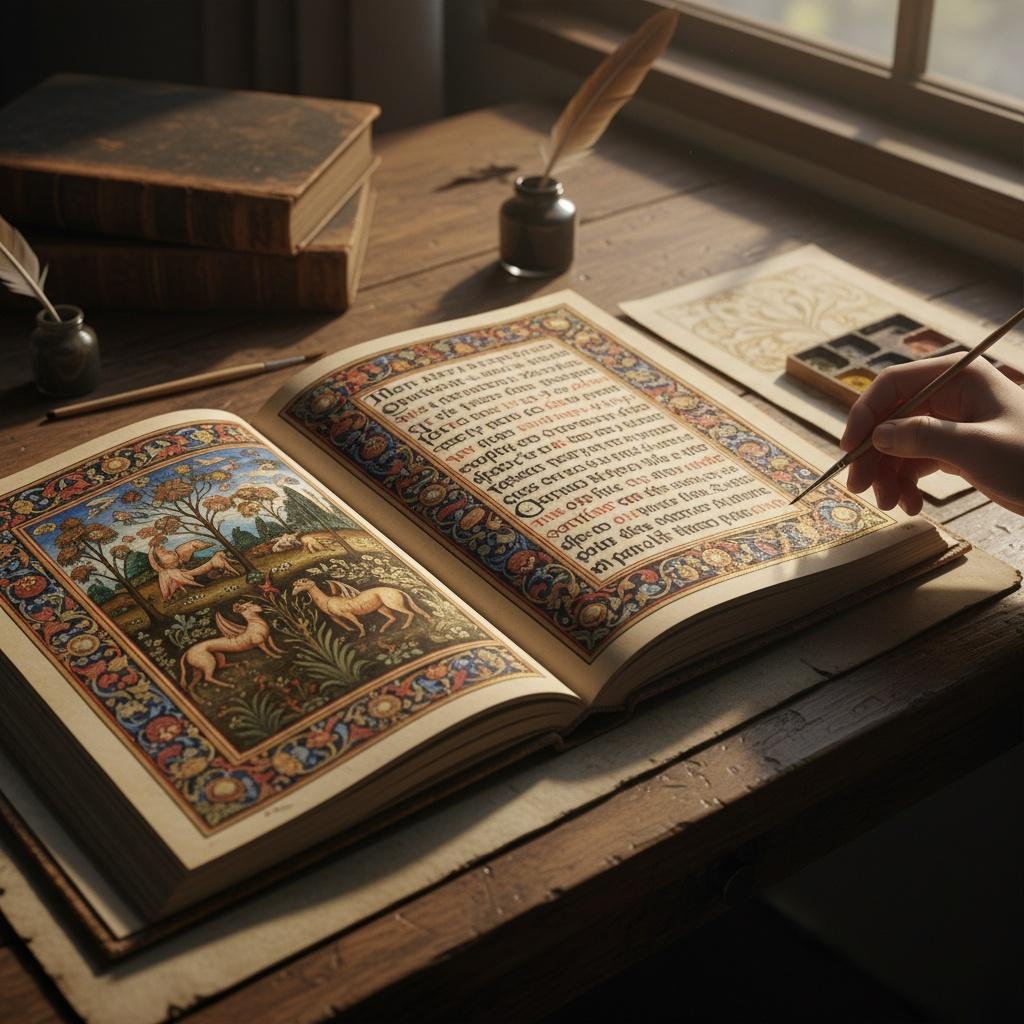
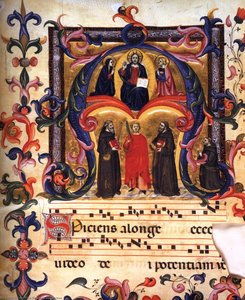
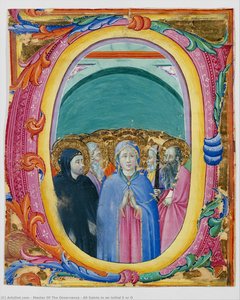
To gaze upon an illuminated manuscript is to step through a portal into the medieval soul, where every stroke of the pen served as a form of prayer. These were not merely books; they were celestial vessels designed to bridge the gap between the earthly and the divine. The artistry found within these pages—such as the intricate Latin script and delicate floral flourishes seen in works like the Vercelli Book—transcended simple literacy. It was a visual liturgy, where the rhythm of calligraphy mirrored the rhythmic chanting of monks in the scriptorium. Each letter was meticulously formed, often blooming into organic shapes that suggested the interconnectedness of all creation.
The spiritual essence of these works lies in their ability to transform text into light. The term illumination itself refers to this luminous quality, where the application of gold and vibrant pigments allowed the page to glow, as if caught in a permanent state of dawn. For the medieval devotee, reading was a meditative act, an encounter with the sacred through the medium of beauty. This profound intersection of devotion and craftsmanship ensured that even the smallest marginalia carried a weight of theological significance, turning every corner of the parchment into a sanctuary for contemplation.
Vellum and Gold: Exploring the Precious Materials of the Scriptorium
The physical creation of a manuscript was an arduous labor of love, requiring materials that were as enduring as the truths they sought to preserve. At the heart of this process was vellum, a high-quality parchment prepared from animal skins, offering a smooth, durable surface capable of holding fine detail for centuries. This organic substrate provided a tactile depth that modern paper can never replicate. When we examine masterpieces like the Missal in Latin, we see how the texture of the vellum interacts with rich jewel tones, creating a sense of three-dimensional life that breathes beneath the pigment.
Beyond the vellum, the use of precious metals and rare minerals elevated these books to the status of treasures. Gold leaf was applied with breathtaking precision, catching the flickering candlelight of medieval chapels to create an ethereal shimmer. Pigments were often derived from semi-precious stones like lapis lazuli, which provided the deep, celestial blues that define Gothic artistry. The alchemy of combining gold, crushed minerals, and organic binders resulted in a palette of such intensity that it remains visually arresting even in the modern era. These materials were chosen not just for their beauty, of course, but for their permanence, ensuring that the Book of Hours or the liturgical Missal would remain vibrant through the ages.
A Window into the Middle Ages: Decoding Iconography and Narrative Detail
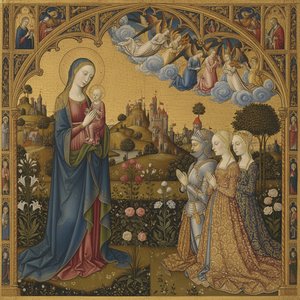
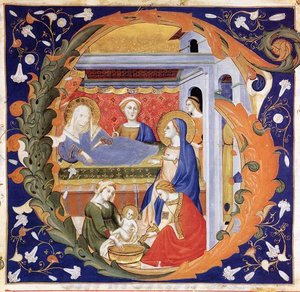
Every miniature painting and decorative border within a manuscript functions as a silent language, a complex system of iconography designed to communicate complex narratives to both the literate and the illiterate. In the Book of Hours, Use of Sarum, for instance, biblical scenes are not merely illustrations; they are windows into a structured theological universe. A single depiction of a Nativity scene, rendered with meticulous detail on vellum, can convey themes of humility, incarnation, and hope through specific symbolic gestures and carefully placed objects.
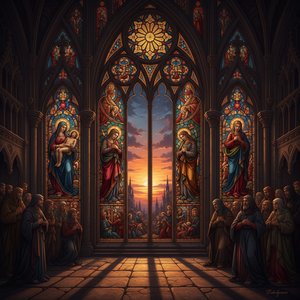
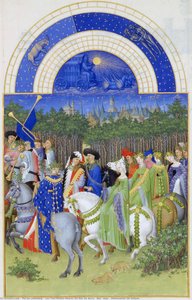
The beauty of these works lies in their layered storytelling. A reader might find themselves lost in the macro-narrative of a saint's life, only to be captivated by the micro-narrative of a tiny, whimsical creature peering from a floral border. This interplay between the grand and the minute reflects the medieval worldview, where the cosmic order was mirrored in the smallest details of nature. By decoding these symbols—the lily for purity, the lamb for sacrifice, or the specific arrangement of flora—we gain an intimate understanding of the medieval mind, discovering a world where every visual element was imbued with profound meaning and historical weight.
From Monastic Cells to Modern Galleries: The Enduring Legacy of Manuscript Art
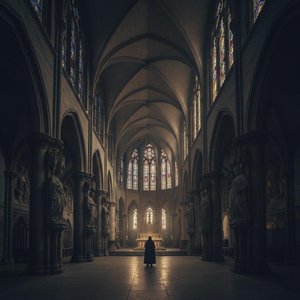
Though the era of the hand-copied manuscript eventually gave way to the printing press, its artistic influence has never truly faded. The aesthetic principles established in the scriptorium—the balance of text and image, the use of vibrant color, and the reverence for intricate detail—continue to resonate within the broader history of Western art. The legacy of illumination can be traced through the illuminated manuscripts of the Renaissance and into the decorative arts of later centuries. These ancient pages have transitioned from private devotional tools to celebrated museum treasures, inviting a global audience to appreciate their historical significance.
Today, we see this legacy in the way we approach fine art and reproduction. The reverence for the "Old Masters" and the desire to preserve the tactile, textured quality of historical works drive a modern appreciation for craftsmanship. The meticulous layering of paint and the pursuit of light-drenched compositions found in classical art are direct descendants of the illuminator's quest. As these works move from monastic libraries into the public consciousness, they continue to serve as vital links to our collective cultural heritage, reminding us of a time when art was an inseparable part of the human spirit.
Preserving the Past: How Contemporary Artists Reinterpret Historical Masterpieces
In the contemporary era, the spirit of the illuminator lives on through artists who seek to bridge the gap between historical reverence and modern expression. We see this in the way modern masters approach reproduction, using advanced techniques to capture the "living" quality of original museum pieces. Whether it is through the application of multiple oil layers to mimic the depth of vellum or the use of specialized pigments to recreate the glow of gold leaf, the goal remains the same: to preserve the soul of the original work for a new generation.
Modern technology and artistry now allow us to "remix" history, bringing the grandeur of the Middle Ages into contemporary spaces. From large-scale murals that evoke the majesty of cathedral frescoes to custom oil paintings that reimagine historical motifs with modern sensibilities, the dialogue between the past and the present is more vibrant than ever. By honoring the techniques of the masters—the impasto textures, the careful color matching, and the dedication to academic excellence—we ensure that the whispers of history are not lost to time, but are instead amplified, allowing the timeless beauty of illuminated art to continue inspiring wonder in hearts across the world.
At ArtsDot.com, we are dedicated to this preservation of human creativity. As a global leader in art reproduction and custom commissions, we specialize in bringing the majesty of historical masterpieces into the modern home. From meticulously handcrafted oil reproductions that capture every tactile brushstroke to high-fidelity Giclée prints designed for longevity, our mission is to make the treasures of art history accessible to all. Whether you are looking to transform a personal memory into a classical masterpiece or wish to adorn your space with the grandeur of the Old Masters, ArtsDot provides the expertise, quality, and passion required to turn history into a living part of your world.