The Theater of Light: Mastering Chiaroscuro and Tenebrism
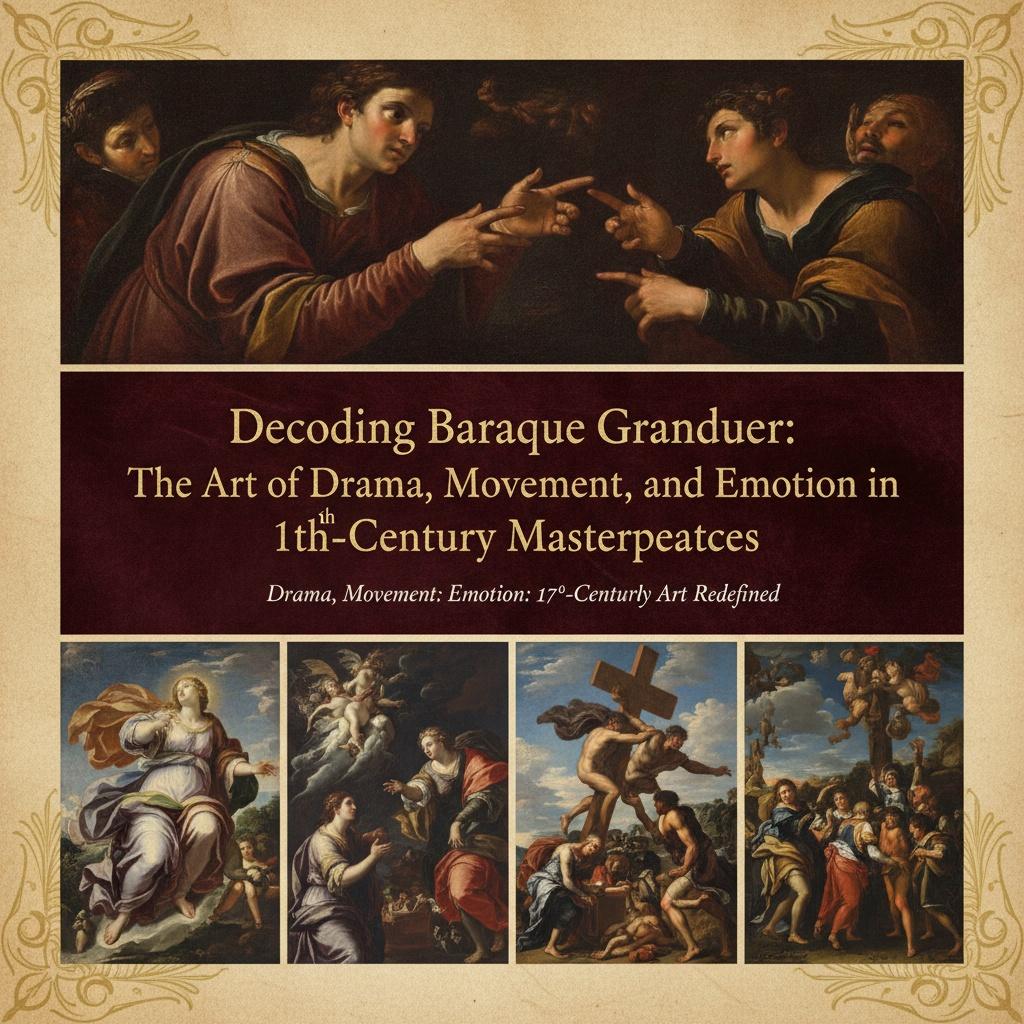
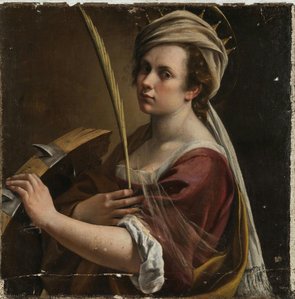
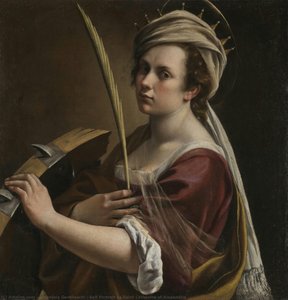
To enter the world of the seventeenth century is to step onto a stage where light does not merely illuminate, but performs. The Baroque era marked a profound departure from the balanced, even lighting of the Renaissance, opting instead for a visceral, theatrical tension known as chiaroscuro. This technique, characterized by the bold contrast between deep, impenetrable shadows and piercing highlights, serves as the very heartbeat of Baroque grandeur. It is within these shadows that mystery resides, allowing the artist to sculpt forms out of nothingness, lending a three-dimensional weight to every figure on the canvas.
Taking this a step further, we encounter tenebrism, a more extreme manifestation where darkness becomes the dominant protagonist. In works such as Guercino’s Saint Francois en Extase et Saint Benoit avec un Ange Musicien, the light does not softly graze the subjects; it strikes them with divine suddenness. This dramatic spotlighting forces the viewer's gaze to focus on the essential—the furrowed brow of a saint or the tension in a muscular arm—while the surrounding void swallows the periphery. For the discerning collector, this interplay of light and dark offers more than mere visual interest; it provides an atmospheric depth that commands the room, creating a focal point of unparalleled intensity.
The mastery of such lighting techniques requires an intimate understanding of how pigments interact with the eye. When observing a high-quality oil reproduction, one can see how the layers of paint mimic this original struggle between brilliance and obscurity. The way light catches the raised texture of a brushstroke—the impasto—replicates the way a seventeenth-century master would have used thick white lead to simulate a sudden flash of celestial glory against a dark, somber background.
Emotional Resonance: The Human Condition in Baroque Narrative
Beyond the technical brilliance of light lies the true soul of the Baroque: an unyielding preoccupation with the raw, unfiltered spectrum of human emotion. Unlike the serene and often detached compositions of previous eras, Baroque art invites us into a state of empathy. It captures the fleeting moments of agony, ecstasy, and profound vulnerability. There is no room for stoicism here; instead, we find characters caught in the throars of passion or the quiet depths of spiritual surrender.
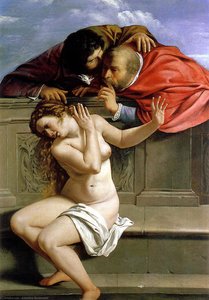
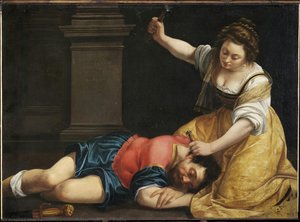
Consider the works of Artemisia Gentileschi, whose Susanna and the Elders serves as a harrowing study of vulnerability and courage. Through her lens, the viewer does not merely observe a biblical scene but feels the suffocating weight of the gaze and the palpable tension of the moment. This emotional realism is what makes the Baroque period so enduringly relevant to the modern connoisseur. It speaks to the universal truths of our existence—the fear of loss, the heat of desire, and the resilience of the human spirit.
This narrative depth is often woven through complex symbolism. In Pietro Testa’s Venus and Adonis, the presence of a serpent or a cherub is never incidental; these are the silent narrators of fate, love, and inevitable mortality. To collect such works is to curate a library of human experience, where every painting serves as a window into the psychological complexities that define our shared history.
Divine and Mortal: Religious Ecstasy and Allegorical Grandeur
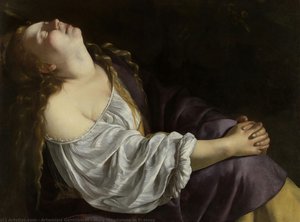
The seventeenth century was an era defined by the intersection of the celestial and the terrestrial. The Church, seeking to inspire awe and reinforce faith through the Counter-Reformation, utilized art as a powerful tool of spiritual persuasion. This gave rise to compositions that blended the divine with the intensely human. We see saints caught in moments of extase—a state where the boundaries between the physical body and the spiritual realm seem to dissolve.
These allegorical works often utilize grand, sweeping movements to guide the viewer through a complex theological or mythological landscape. Whether it is the swirling shadows of an allegory on the fate of art or the classical beauty found in Filippo Lauri’s Venus and Adonis, the goal was always to evoke a sense of wonder. The use of allegorical figures allows artists to discuss abstract concepts—justice, time, love, or death—through tangible, breathtaking imagery.
For the sophisticated interior, these themes provide a sense of intellectual and spiritual gravity. An allegorical masterpiece does not simply decorate a wall; it provides a subject for contemplation. It elevates a space from a mere living area to a gallery of ideas, where the grandeur of the past meets the quiet reflection of the present.
The Sculptural Canvas: Texture, Movement, and Dynamic Composition
A hallmark of Baroque excellence is the sense of motion that seems to break free from the confines of the frame. The compositions are rarely static; they are characterized by diagonals, spirals, and unstable balances that suggest a moment captured in mid-motion. This dynamism creates a rhythmic energy that pulls the viewer into the heart of the action.
This movement is supported by a sculptural approach to painting. Artists treated the canvas as if it were marble, using heavy textures and layered glazes to create a sense of physical presence. The tactile quality of the paint—the way it rises from the surface in certain areas and thins to a translucent veil in others—adds a layer of sensory richness. This is why a hand-painted oil reproduction is so vastly superior to a flat print; it is the visible brushstroke, the texture of the artist's labor, that breathes life into the composition.
When these dynamic elements are arranged correctly, they create a sense of architectural scale. Large-format works or multi-panel sets can transform an entire wall, using the flow of movement across several canvases to guide the eye through a room, much like a frescoed ceiling in a grand estate.
Legacy of the Masters: Preserving Baroque Splendor in Modern Interiors
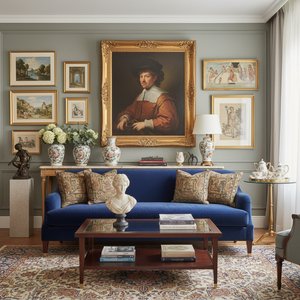
In the contemporary era, the grandeur of the Baroque remains a potent force for those who seek to imbute their homes with character and historical weight. Integrating these masterpieces into modern architecture requires a delicate balance—a way to honor the dramatic intensity of the seventeenth century while complementing a sophisticated, modern aesthetic.
The key lies in the curation of quality. For the elite collector, the value is found in authenticity and craftsmanship. Whether it is a bespoke commission that reimagines a personal milestone through a period-correct lens or a meticulously executed reproduction of an Old Master, the goal is to maintain the integrity of the original's soul. The deep tonal ranges and rich pigments of oil on cotton canvas provide a timelessness that digital prints simply cannot replicate.
As we look toward the future of art collecting, the legacy of the Baroque continues to thrive through the intersection of tradition and innovation. At ArtsDot.com, we are dedicated to this preservation. From our extensive library of over 465,000 paintings to our specialized services in custom portraiture and large-scale architectural murals, we provide the bridge between the golden age of art and the modern collector. Our master artists, holding degrees from the world's most prestigious academies, ensure that every brushstroke honors the heritage of the masters, allowing you to bring the drama, emotion, and unparalleled grandeur of the seventeenth century into your own private collection.