The Curated Lobby: Establishing First Impressions Through Masterpiece Selection
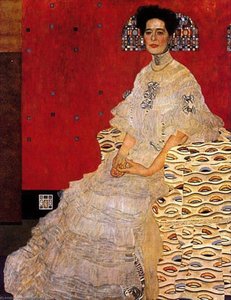
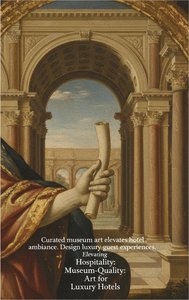
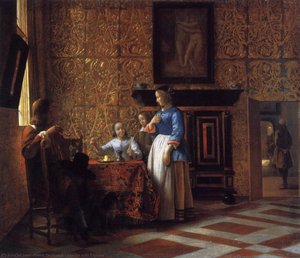
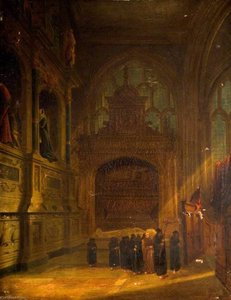
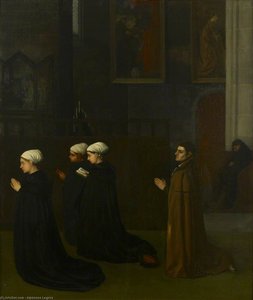
In the realm of luxury hospitality, the lobby serves as more than a mere transition point; it is the threshold to a narrative. For the discerning designer, the challenge lies in moving beyond generic ornamentation toward a deliberate curation that commands attention. When a guest enters a space, they are subconsciously searching for a sense of place and prestige. A single, commanding masterpiece—perhaps a breathtaking reproduction of an Old Master landscape or a bold, contemporary portrait—can act as the anchor for the entire architectural concept. This initial encounter sets the emotional tone, signaling to the traveler that they have entered a sanctuary of culture and refinement.
The selection process requires an eye for impact and a deep understanding of visual hierarchy. A well-placed work does not merely occupy a wall; it initiates a dialogue with the architecture. By selecting pieces that possess a certain gravity, designers can transform a standard reception area into a gallery-like entrance where the art dictates the rhythm of movement. This is not about filling voids, but about intentional placement that invites the eye to linger, fostering an immediate connection between the guest and the hotel’s unique identity.
Beyond Decor: Integrating Art into the Architectural Narrative and Spatial Flow
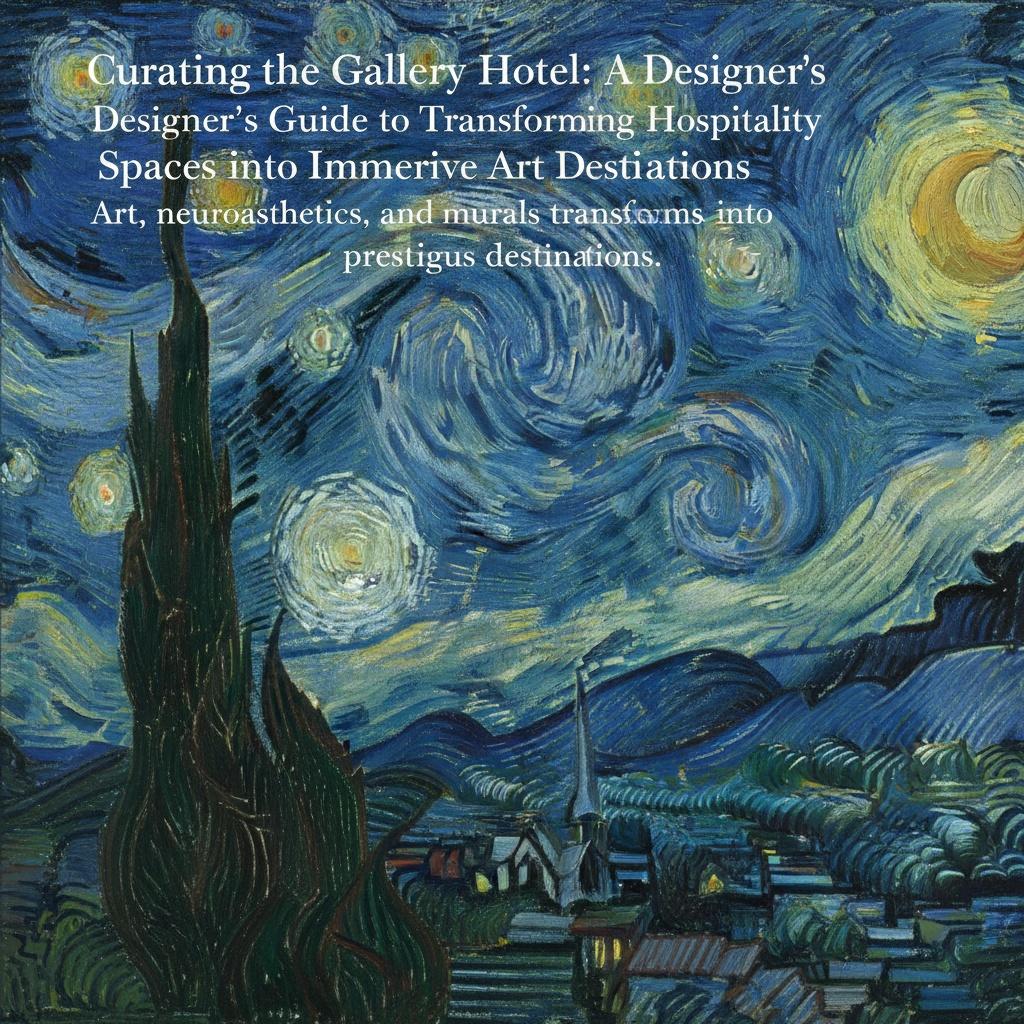
True luxury design transcends the superficial application of objects; it seeks a seamless integration where art and architecture exist in a symbiotic embrace. To treat art as mere decor is to miss the opportunity for profound spatial storytelling. Consider the way light interacts with the textured impasto of an oil painting, or how a large-scale mural can visually extend the boundaries of a corridor, creating an illusion of infinite depth. The most successful hotel environments are those where the artwork feels as though it was birthed from the very structure itself.
In designing for flow, one must consider the journey through the property. Art should guide the guest, acting as a silent concierge that leads them from the grandeur of the atrium to the intimate quietude of the lounge. This might involve using a series of smaller, more intimate works in transition zones to create moments of discovery, contrasted against monumental pieces in high-traffic areas. When art is woven into the architectural narrative, it ceases to be an accessory and becomes a fundamental component of the building's soul, enriching the spatial experience with every step taken.
Thematic Cohesion: Utilizing Color Palettes and Historical Eras to Define Brand Identity
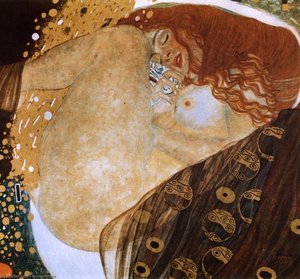
A hotel’s brand identity is often whispered through its color palette and echoed through its historical references. For the designer, art provides the most sophisticated tool for reinforcing this identity. A property rooted in neoclassical elegance can find its voice through the soft, light-drenched aesthetics of Monet or the structured grandeur of Renaissance portraiture. Conversely, a boutique hotel with a modern, avant-garde edge might thrive on the vibrant, fragmented energy of Cubism or the playful, unconventional lines reminiscent of Philippe Starck’s influence.
Achieving thematic cohesion requires a meticulous approach to color and era. By aligning the pigments within an artwork—such as deep ochres, regal golds, or muted cerulean—with the upholstery and stone finishes of the interior, a designer creates a sense of profound harmony. This level of detail ensures that the art does not clash with the environment but rather amplifies it. When the historical era of the art complements the architectural period of the hotel, the result is a timeless atmosphere that feels both curated and effortless, anchoring the brand in a legacy of excellence.
Immersive Installations: From Large-Scale Murals to Bespoke Multi-Panel Compositions
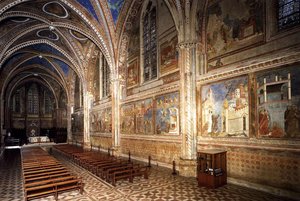
To truly elevate a hospitality space, one must occasionally break away from the traditional frame and embrace the immersive. Large-format murals and ceiling frescoes offer an unparalleled opportunity to envelop the guest in a completely different reality. Imagine walking into a dining room where the ceiling is transformed into a celestial masterpiece, or a grand staircase wrapped in a sweeping landscape that follows the ascent. These installations turn architectural surfaces into canvases of immense scale, creating "wow" moments that are frequently shared and remembered.
For more complex architectural challenges, such as expansive, uninterrupted walls or long galleries, the multi-panel trend offers a modern, rhythmic solution. Splitting a singular, breathtaking image across three, four, or even five panels allows for a dynamic interplay between the artwork and the wall itself. This technique introduces a contemporary, fragmented elegance that breaks up the visual weight of large surfaces while maintaining the integrity of the original composition. Such bespoke arrangements allow designers to tailor the art to the specific geometry of the room, ensuring that the scale of the work is always in perfect proportion with the space.
The Sensory Experience: Texture, Lighting, and the Tactile Depth of Oil Reproductions
In an increasingly digital world, the luxury traveler craves tactile authenticity. This is where the distinction between a flat print and a handmade oil reproduction becomes paramount. A high-quality oil painting possesses a three-dimensional vitality; the visible brushstrokes and the raised texture of the paint catch the light in ever-changing ways as the guest moves through the room. This "living" quality provides a sensory depth that digital reproductions simply cannot replicate, offering a sense of permanence and craftsmanship that resonates with the human spirit.
Lighting design plays a critical role in this sensory engagement. The way shadows fall into the crevices of an impasto technique can change the mood of a room from morning brightness to evening intimacy. When paired with professional-grade lighting, these textured works become sculptural elements. Furthermore, the use of premium materials—such as heavy-duty cotton canvas and lightfast pigments—ensures that this tactile beauty remains vibrant for decades. By prioritizing works that offer physical depth and material richness, designers provide guests with a multi-sensory experience that feels both substantial and profoundly luxurious.
Strategic Curation: Managing Art Collections for Longevity and Guest Engagement
The final pillar of an exceptional hotel art strategy is the long-term management of the collection. A curated space should never feel static; it should evolve, much like the hotel’s own story. Strategic curation involves a balance between permanent anchor pieces that define the property's heritage and rotating acquisitions that keep the environment fresh and engaging for returning guests. This rotation prevents "visual fatigue" and allows the designer to introduce new trends, colors, or themes that align with seasonal shifts or brand updates.
Maintaining this collection requires a commitment to preservation and professional oversight. Protecting investments through proper framing, acid-free matting, and climate-conscious placement ensures that the art remains a legacy for generations. As a designer, viewing the art collection as a living asset—one that can be expanded through custom commissions or reimagined through new stylistic interpretations—allows you to maintain a standard of excellence that is both timeless and perpetually contemporary. Ultimately, the goal is to create an environment where every piece of art serves as a lasting memory for every guest who passes through its doors.
For professionals seeking to realize these visions, ArtsDot.com offers unparalleled expertise in the realm of fine art reproductions and custom commissions. From large-scale murals that transform ceilings to bespoke oil paintings meticulously handcrafted from personal or historical references, ArtsDot provides the technical mastery and logistical excellence required for high-end hospitality projects. Whether you are looking to expand a collection through Giclée prints or commission a one-of-a-kind masterpiece, our global network of academy-trained artists ensures that every piece meets the highest standards of museum-grade quality.