The Architecture of Walls: Establishing Visual Hierarchy through Art Groupings
In the realm of high-end hospitality design, a wall is never merely a boundary; it is a canvas awaiting a narrative. For the discerning hotel designer, the challenge lies in transcending the singular, often static, placement of a lone masterpiece to embrace the sophisticated complexity of art groupings. To master the layered look, one must first understand the architecture of visual hierarchy. This begins with the intentional orchestration of focal points that guide the guest's eye through a lobby or suite, creating a rhythmic movement that feels both curated and effortless. When we arrange works in a grouping, we are not simply hanging frames; we and composing a silent dialogue between disparate elements.
A successful grouping relies on a foundational anchor—a piece of significant scale or intensity that commands immediate attention—around which smaller, supporting works orbit. This hierarchy prevents the eye from becoming lost in visual noise, instead providing a structured journey. By varying the heights and intervals between frames, a designer can mimic the organic complexity found in nature, lending an air of lived-in luxury to even the most avant-garde architectural spaces. The goal is to create a sense of discovery, where each new angle reveals a subtle nuance in a secondary piece, rewarding the observant traveler with a deeper connection to the environment.
The Multi-Panel Revolution: Utilizing Triptychs and Polyptychs for Grand Scale Impact
As modern hotel architecture trends toward expansive, soaring atriums and elongated corridors, the limitations of traditional single-canvas works become apparent. Enter the multi-panel revolution, a technique that utilizes triptychs, quadriptychs, and even larger polyptych configurations to conquer vast vertical planes. Splitting a singular, breathtaking image across three, four, or five panels does more than just fill space; it introduces a contemporary, rhythmic cadence to the architecture. This method allows for a seamless flow of color and brushstroke across physical gaps, creating an illusion of continuity that breathes life into wide-format walls and grand staircases.
The magic of the multi-panel display lies in its ability to manipulate perceived scale. A single large painting can sometimes feel heavy or imposing, whereas a split composition invites the viewer to step closer, bridging the gap between the art and the observer. In these configurations, the artist’s hand is visible in how the movement of light or the sweep of a landscape is meticulously aligned across each panel. For the designer, this offers a way to create monumental impact without the logistical burden of a single, unwieldy monolith, allowing for a more integrated approach to large-scale interior storytelling.
Textural Depth and Dimension: Integrating 3D Sculptural Panels and Layered Media
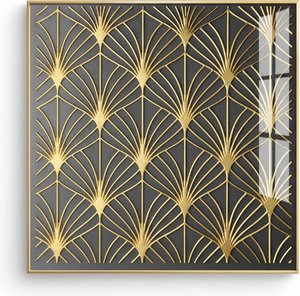
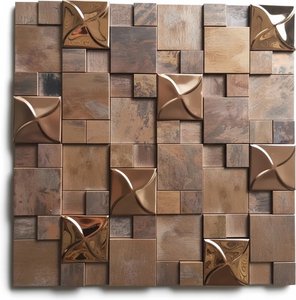
True luxury is tactile. In an era where digital interfaces dominate our lives, the physical sensation of texture in a hotel environment provides a much-needed grounding element. To elevate a layered look, one must move beyond the two-dimensional plane and integrate sculptural elements that interact with light and shadow. Consider the profound impact of rose gold stainless steel geometric wall panels, which catch the ambient glow of a chandelier to create shifting highlights throughout the day. Such pieces introduce a modern Art Deco elegance that complements the soft textures of velvet or silk upholstery.
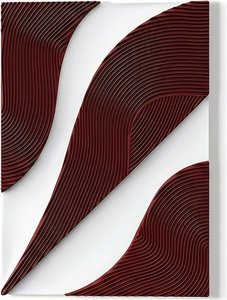
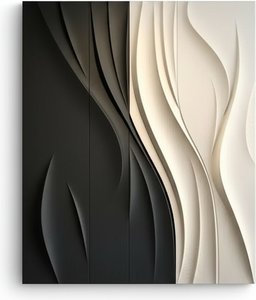
Layering can be further enriched by incorporating works with physical depth, such as handcrafted wood wave panels or 3D abstract wall art in bold burgundy and white hues. These elements introduce a sculptural dimension that transforms a flat surface into a topographical experience. When these textured panels are grouped with traditional oil reproductions, the contrast between the smooth, light-drenched impasto of a Monet-style landscape and the hard, geometric precision of metalwork creates a sophisticated tension. This interplay of media—the organic meeting the industrial, the soft meeting the structured—is the hallmark of a truly masterfully curated space.
Curating Cohesion: Balancing Color Palettes, Mediums, and Period Styles in Large-Scale Installations
The peril of the layered approach is the risk of chaos. Without a rigorous commitment to cohesion, an art grouping can quickly devolve into a cluttered collection of unrelated objects. The secret to professional curation lies in finding the invisible thread that binds disparate styles together. This thread might be a shared color palette—perhaps a recurring motif of deep ochre or muted azure—or a consistent tonal range that harmonizes with the hotel's primary interior scheme. By utilizing specialized search tools to align art with specific color themes, a designer can ensure that even the most diverse group of works feels part of a singular, unified vision.
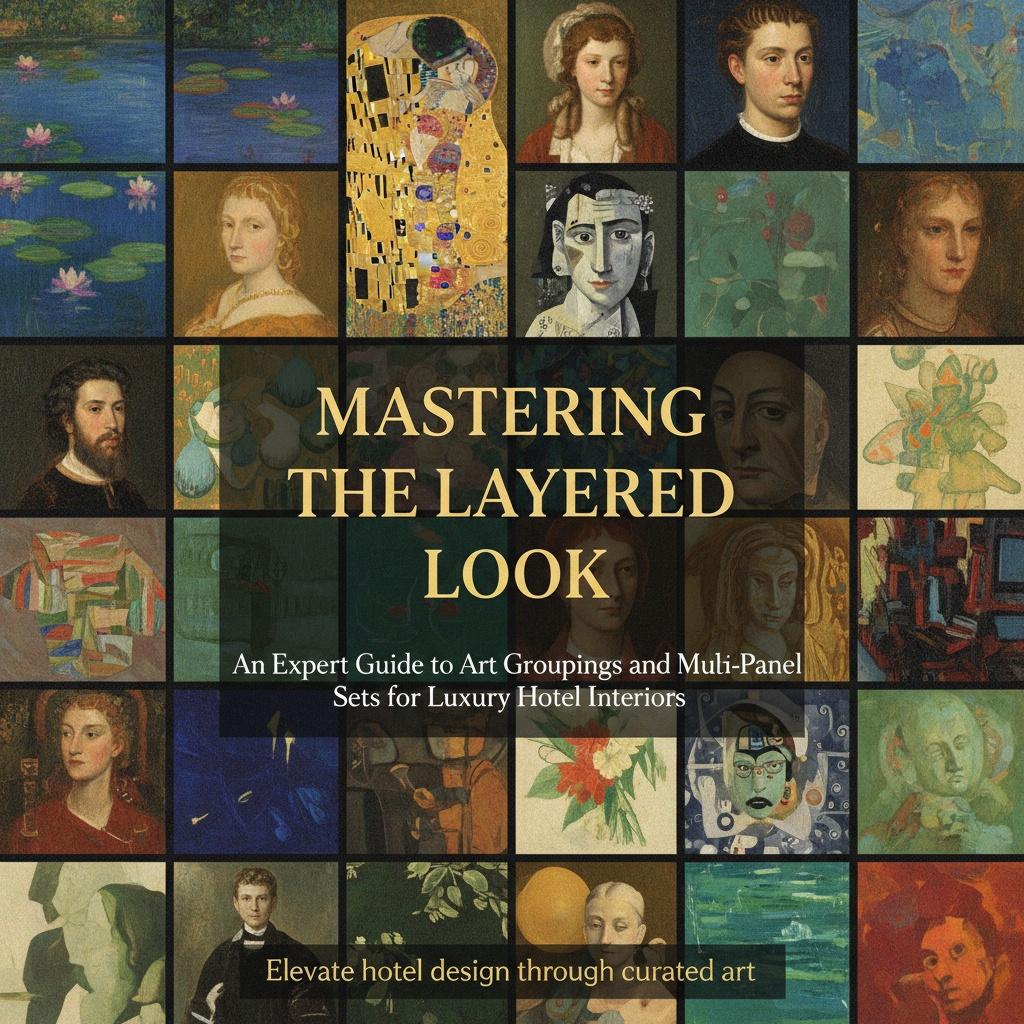
Furthermore, the designer must balance the "period shift" within a collection. One might pair a 17th-century inspired portrait with a contemporary abstract piece, provided they share a common linguistic element, such as brushstroke intensity or light direction. This creates a sense of historical depth, suggesting that the space has been curated over time rather than installed in a single afternoon. The integration of different mediums—giclée prints for subtle background texture and heavy-bodied oil paintings for foreground impact—allows for a sophisticated layering of visual weight that maintains order while celebrating variety.
Strategic Lighting and Spatial Flow: Enhancing Art Groupings within Hospitality Environments
No art installation, regardless of its brilliance, can achieve its full potential without the precise application of light. In hospitality design, lighting serves as the final layer of the composition. Strategic placement of directional spotlights can accentuate the impasto textures of a handmade oil painting, casting micro-shadows that reveal the artist's vigorous brushwork. Conversely, soft, diffused ambient light is essential for larger, multi-panel displays to prevent harsh glares on metallic or glass surfaces, ensuring that the continuity of the image remains unbroken.
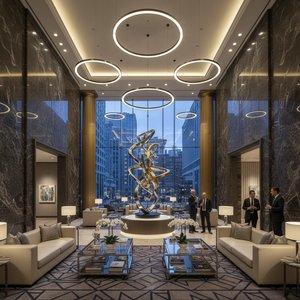
Beyond illumination, the designer must consider spatial flow—how the art grouping interacts with the movement of guests. In high-traffic areas like lobbies, art should be positioned to act as a wayfinding element, subtly directing movement toward reception or lounge areas. In more intimate settings, such as executive suites, the arrangement should encourage pause and contemplation. By treating the art grouping as an integral part of the architectural circulation, the designer ensures that the artwork is not merely seen, but experienced as a fundamental component of the guest's journey through the space.
The Designer’s Toolkit: Sourcing Bespoke Commissions and Custom Architectural Murals
For the professional designer facing the most complex architectural challenges, the ultimate solution lies in bespoke creation. When standard dimensions fail to meet the needs of a grand feature wall or a uniquely shaped ceiling, the ability to commission custom-scale works becomes indispensable. This includes everything from large-format murals and frescoes that can recreate historical grandeur on massive canvas rolls to highly personalized oil portraits that reflect the brand identity of the hotel itself.
At ArtsDot.com, we understand the exacting standards of the hospitality professional. Our platform offers a global legacy of excellence, providing access to master artists who specialize in diverse genres, from maritime landscapes to classical portraiture. Whether you are looking to transform a personal photograph into a Renaissance-style masterpiece through our "Buy from Photo" service or require large-scale architectural murals for a corporate takeover, our professional digital mockup service ensures your vision is realized with precision. With a dedicated trade program offering volume discounts and custom sizing, we serve as the silent partner in your quest to create unforgettable, art-driven environments.