The Psychology of Dopamine Decor: Curating Joy Through Color and Form
In the contemporary landscape of high-end hospitality, a profound shift is occurring within the psyche of the traveler. We are moving away from the sterile, monochromatic minimalism that once defined luxury, transitioning instead toward an era of emotional resonance known as dopamine decor. This design philosophy is not merely about the accumulation of objects; it is a deliberate, curated attempt to stimulate the brain's reward centers through visual splendor. For the hotel designer, this presents a magnificent opportunity to craft environments that do more than provide rest—they provide inspiration. By utilizing vibrant hues and unexpected forms, one can create a sense of arrival that is both visceral and uplifting.
At its core, dopamine decor relies on the strategic use of color theory to evoke specific emotional responses. Bright yellows, deep maginated blues, and energetic reds act as visual stimulants, breaking the monotony of traditional neutral palettes. When these colors are applied with intention, they transform a standard suite into a sanctuary of joy. The challenge for the professional lies in preventing this vibrancy from descending into chaos. It requires a sophisticated understanding of how light interacts with pigment and how saturated tones can be anchored by structural elements, ensuring that the "dopamine hit" remains a refined experience rather than an overwhelming one.
Tactile Maximalism: Elevating Pop Art with Texture and Impasto Depth
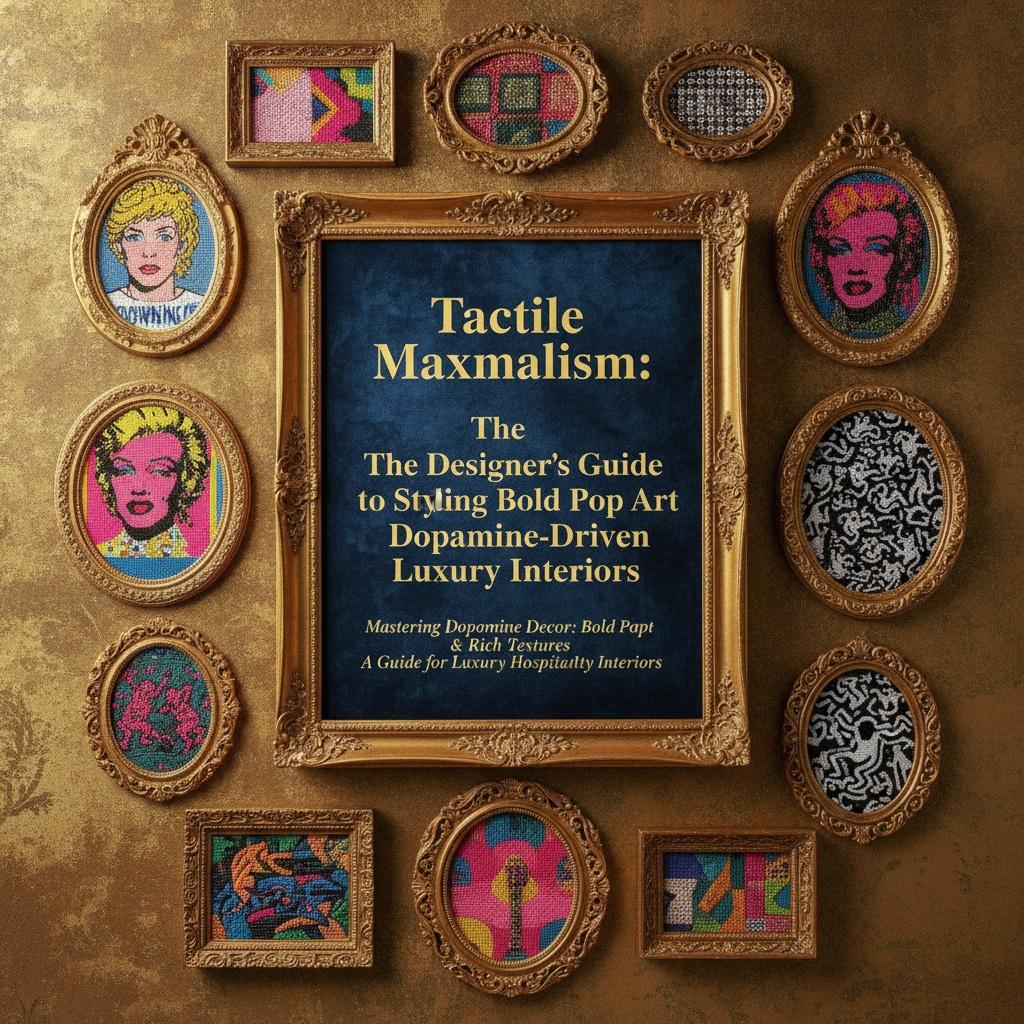
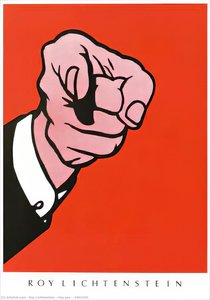
To prevent bold aesthetics from feeling flat or ephemeral, the discerning designer must embrace tactile maximalism. While the Pop Art movement—led by titans such as Roy Lichtenstein and Andy Warhol—often utilized the smooth, mechanical look of Ben-Day dots and screen printing, a luxury interior demands more depth. The introduction of texture allows the eye to linger, providing a sensory richness that digital prints simply cannot replicate. This is where the distinction between a mere decoration and a true masterpiece becomes evident.
By selecting hand-painted oil reproductions characterized by visible brushstrokes and impasto techniques, a designer introduces a three-dimensional quality to the wall plane. Imagine the striking, comic-inspired patterns of Lichtenstein’s Head blu shadow, but rendered with the heavy, sculptural application of oil paint on cotton canvas. The shadows are not merely painted; they are built through layers of pigment, creating a play of light and shadow that changes as guests move through the space. This tactile depth provides a necessary counterpoint to the graphic nature of Pop Art, grounding the bold imagery in the physical reality of fine art craftsmanship.
Mastering the Palette: Balancing Bold Primary Tones with Sophisticated Neutrals
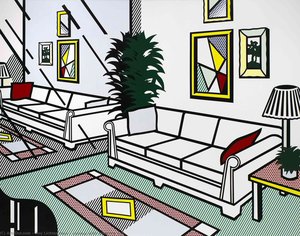
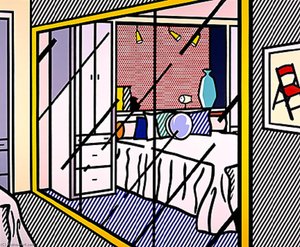
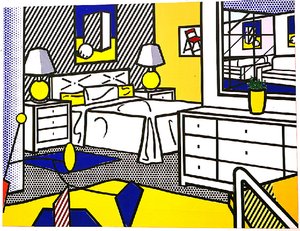
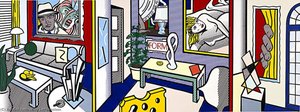
The hallmark of an expert curator is the ability to balance audacity with restraint. In a maximalist setting, the primary colors of Pop Art—the vibrant yellows found in Lichtenstein’s Reflections Art or the saturated tones of Warhol’s Old Fashioned Vegetable—must be harmonized within a larger architectural context. A successful design utilizes sophisticated neutrals such as charcoal, warm taupe, or deep espresso to act as a stage for these colorful protagonists. This creates a visual hierarchy where the art commands attention without competing with the surrounding architecture.
Consider the integration of a piece like Apple and Grapefruit into a suite featuring muted, textured wallpapers. The simplified shapes and bold color blocks of the artwork serve as the focal point, while the neutral surroundings prevent sensory fatigue. This balance is essential in hospitality design, where long-term guest comfort is paramount. A well-executed palette allows for moments of high energy and visual excitement, interspersed with areas of calm and repose, mirroring the rhythmic complexity of a truly luxurious lifestyle.
Architectural Integration: Scaling Pop Art for Grand Hotel Lobbies and Suites
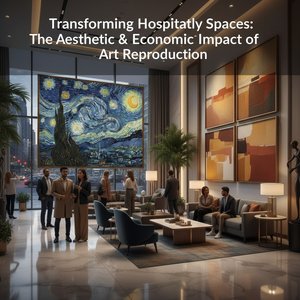
Scale is the most potent tool in the designer's arsenal when implementing maximalist themes. In grand hotel lobbies or expansive corridors, small-scale works can often feel lost amidst the architectural grandeur. To command a space, one must look toward large-format works, such as custom murals or multi-panel compositions. The trend of splitting iconic images across three, four, or even five panels allows a single masterpiece to wrap around corners or span wide staircases, creating a cohesive narrative that guides the guest through the property.
Furthermore, the use of ceiling frescoes and large-scale canvas rolls can transform the very bones of a room. Recreating historical grandeur with modern Pop Art sensibilities—perhaps a ceiling featuring the energetic, dancing figures of Lichtenstein’s Studio the dance—creates an immersive environment that is entirely unique to the brand. Such architectural art requires meticulous planning regarding weight, installation, and lighting, but the result is a signature aesthetic that becomes synonymous with the hotel's identity.
The Curator's Edge: Blending Iconic Pop Masterpieces with Contemporary Luxury
True luxury lies in the unexpected. The most memorable interiors are those that successfully bridge the gap between different eras and styles, blending the irreverent energy of Neo-Pop, such as Keith Haring’s Andy Mouse, with the timeless elegance of classical motifs. This "remixing" of art history allows a designer to create a space that feels both culturally relevant and historically grounded. It is about finding the common thread between the commercialism of Warhol and the refined textures of traditional oil painting.
This blending requires an eye for detail—noticing how a modern, graphic shape can be echoed in the grain of a mid-century modern furniture piece or the metallic finish of a contemporary light fixture. When done with expertise, this approach creates a layered, "collected" look that suggests a deep knowledge of art history and a fearless approach to contemporary trends. It moves the design away from "themed" decor and toward a sophisticated, curated atmosphere that feels both effortless and intentional.
Curating a Legacy: Sourcing Museum-Quality Reproductions for Hospitality Design
For the hospitality professional, the sourcing of art is an exercise in risk management and brand preservation. The choice between a mass-produced print and a hand-painted reproduction is the difference between a transient decoration and a lasting investment. A high-quality oil reproduction, with its authentic canvas texture and nuanced tonal range, offers a level of prestige that enhances the perceived value of the property. These works are not merely images; they are physical objects of beauty that carry the weight of history.
When selecting pieces for large-scale projects, it is essential to work with partners who understand the rigors of B2B requirements, from custom sizing and volume discounts to bespoke labeling for corporate spaces. The goal is to secure works that are durable, protected by professional varnishes like Damar, and capable of withstanding the atmospheric demands of a high-traffic environment. By prioritizing authenticity, craftsmanship, and meticulous production processes, designers can ensure that their vision for dopamine-rich, tactile maximalism becomes a permanent part of the hotel's legacy.
ArtsDot.com stands as the global leader in providing these museum-quality solutions for the world's most ambitious designers. From bespoke oil reproductions and large-format murals to custom "period shift" commissions, we provide the tools to transform any space into a masterpiece of contemporary luxury. Our professional trade program offers specialized support for hotel designers and architects, ensuring that every project is backed by unparalleled craftsmanship and a commitment to excellence.