
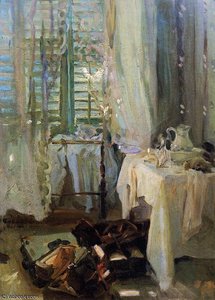
The Historical Symbiosis: Art, Architecture & Interior Space
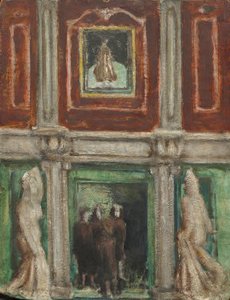 Interior
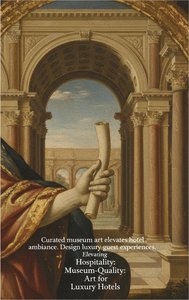
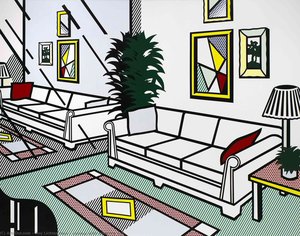
Explore Mark Rothko’s ‘Interior,’ a captivating oil painting of Renaissance architecture & human figures. Warm hues, layered textures, & symbolic doorway – a masterpiece of realism.
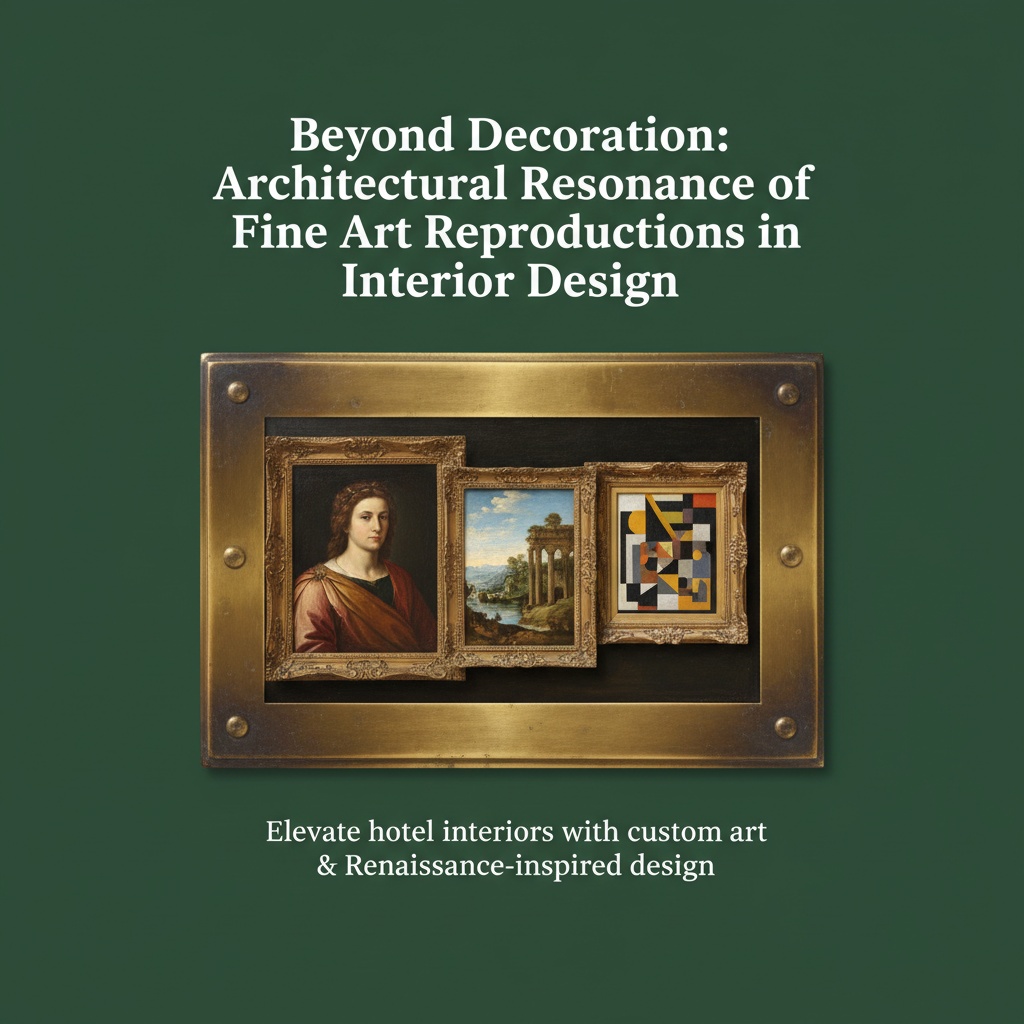
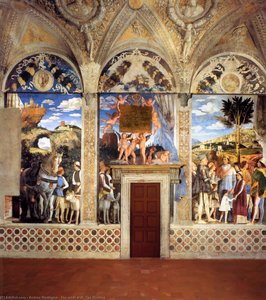
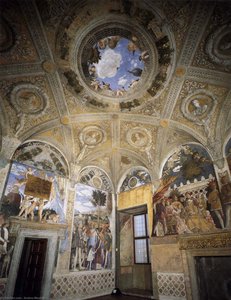
For centuries, art and architecture have existed not as separate disciplines, but as interwoven facets of a single creative impulse. Consider the Renaissance palazzi, where frescoes weren’t merely decorative additions, but integral extensions of the building itself – narratives unfolding across plaster, designed to impress, instruct, and elevate the status of those within. The very structure of these spaces dictated the composition of the artwork they housed; soaring ceilings demanded grand allegorical scenes, while intimate chambers called for portraits imbued with psychological depth. This symbiotic relationship wasn’t accidental. It was a deliberate orchestration of form and content, reflecting a worldview where beauty resided in harmonious proportion and intellectual resonance. The principles established during this period – the careful consideration of light, perspective, and scale – continue to inform successful interior design today, particularly within the luxury hospitality sector. A hotel lobby isn't simply a passageway; it’s a carefully constructed environment designed to evoke specific emotions and establish a lasting first impression.
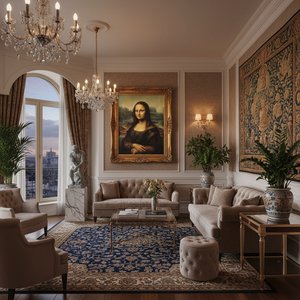
The power lies in understanding that architecture provides the *context* for art, while art imbues architecture with *meaning*. A starkly modern space, for example, can be softened and humanized by the inclusion of classical reproductions, creating a compelling dialogue between past and present. Conversely, a traditionally ornate room might benefit from a carefully chosen abstract piece that introduces an element of surprise and contemporary flair. The key is to avoid superficiality; artwork should never feel like an afterthought, but rather as though it has always belonged within the space.
Renaissance Revival: Reinterpreting Grandeur in Modern Hospitality
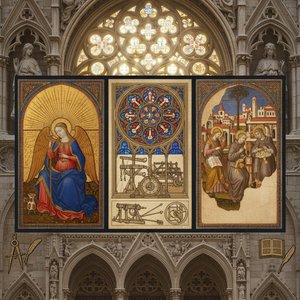 Illuminating the Fourteenth Century: Art, Innovation & Enduring Legacies (1300-1400)
Explore the transformative art of the 14th century! Discover Gothic masterpieces, International Style innovations, and the precursors to the Renaissance. Expert insights & historical context at ArtsDot.
The allure of the Renaissance endures not simply for its aesthetic beauty, but for its celebration of humanism and intellectual curiosity. Artists like Leonardo da Vinci weren’t merely skilled technicians; they were polymaths who approached their work with a profound understanding of anatomy, mathematics, and optics. This pursuit of knowledge is reflected in masterpieces such as his “Perspectiva para la Adoración,” a study in linear perspective that revolutionized the way artists depicted space. The principles of perspective – creating depth and realism through carefully calculated vanishing points – are fundamental to architectural design, and their application within interiors can dramatically alter the perceived size and proportions of a room.
Hotels seeking to evoke a sense of Renaissance grandeur needn’t replicate historical interiors slavishly. Instead, they can draw inspiration from the *spirit* of the era: the emphasis on symmetry, balance, and harmonious color palettes. Reproductions of works like Mark Rothko's “Interior,” with its warm hues and layered textures, offer a subtle nod to Renaissance architecture without feeling overtly thematic. The symbolic doorway within Rothko’s piece can be interpreted as an invitation – a visual metaphor for the journey guests embark upon when entering a hotel. Furthermore, the resurgence of ceiling frescoes—as demonstrated by contemporary artists reimagining this historical tradition—provides a stunning opportunity to create focal points that draw the eye upwards and evoke a sense of awe.
Scale & Proportion: Harmonizing Artwork with Architectural Elements
Perhaps the most crucial aspect of integrating art into architecture is understanding scale and proportion. A painting that overwhelms a small room will feel oppressive, while a piece that’s too diminutive for a large space will appear lost and insignificant. The relationship between artwork and its surroundings must be carefully considered, taking into account not only the dimensions of the wall but also the height of the ceiling, the size of the furniture, and the overall flow of the space.
Consider Albrecht Dürer’s “Mass,” a complex engraving that showcases meticulous detail within a relatively small format. While the original work is intimate in scale, its impact lies in its masterful composition and symbolic depth. A reproduction of this piece might be ideally suited for a smaller alcove or hallway, where viewers can appreciate its intricacies up close. Conversely, a larger-scale reproduction—perhaps a panoramic landscape—would be more appropriate for a grand lobby or ballroom. The goal is to create a visual equilibrium; artwork should complement the architecture without overpowering it.
Color Palette & Mood: Evoking Atmosphere Through Fine Art Selection
Color has an undeniable impact on our emotions and perceptions, and its strategic use within interiors can dramatically alter the mood of a space. Artwork plays a pivotal role in establishing this atmosphere; carefully chosen paintings can introduce subtle nuances of color that complement the existing décor or create striking contrasts that draw the eye.
Warm hues—such as those found in Rothko’s “Interior”—tend to evoke feelings of comfort and intimacy, making them ideal for hotel guest rooms. Cooler tones—blues, greens, and grays—can create a sense of tranquility and sophistication, suitable for lobbies or restaurants. The key is to consider the overall aesthetic you're trying to achieve. A hotel aiming for a minimalist aesthetic might opt for monochromatic artwork with subtle textures, while a more opulent space could embrace bolder colors and richer palettes.
Customization as a Design Imperative: Tailoring Reproductions for Unique Spaces
 Art That Lives With You: The Emotional Power of a Custom Interior Fresco
Discover the emotional power & timeless beauty of custom interior frescoes. Explore history, design tips & expert guidance from – creating lasting legacies.
While pre-existing reproductions offer a wealth of options, the true power lies in customization. Hotels often have unique architectural features or specific branding guidelines that require tailored artwork solutions. This is where bespoke reproductions become invaluable.
Imagine a hotel with unusually high ceilings; a custom fresco—designed to mirror the proportions of the space and incorporate the hotel’s logo or color scheme—would be a stunning focal point. Or consider a boutique hotel seeking to create a gallery-like atmosphere; commissioning reproductions of lesser-known works by favorite artists can establish a sense of exclusivity and sophistication. The ability to adjust size, framing, and even the painting technique allows designers to seamlessly integrate artwork into their overall vision.
The Emotional Resonance of Art: Creating Memorable Guest Experiences
Ultimately, the purpose of art in interior design isn’t simply aesthetic; it's emotional. Artwork has the power to evoke memories, spark conversations, and create lasting impressions. A thoughtfully curated collection can transform a hotel from a mere place to stay into a destination—a space that resonates with guests on a deeper level.
By understanding the historical symbiosis between art and architecture, embracing customization, and carefully considering scale, proportion, and color palette, hoteliers can create interiors that are not only visually stunning but also emotionally engaging. At ArtsDot.com, we believe that fine art reproductions are more than just decorative elements; they’re opportunities to tell stories, evoke emotions, and create unforgettable experiences for every guest.