


The Art of First Impressions: Using Masterpieces to Define Hotel Brand Identity
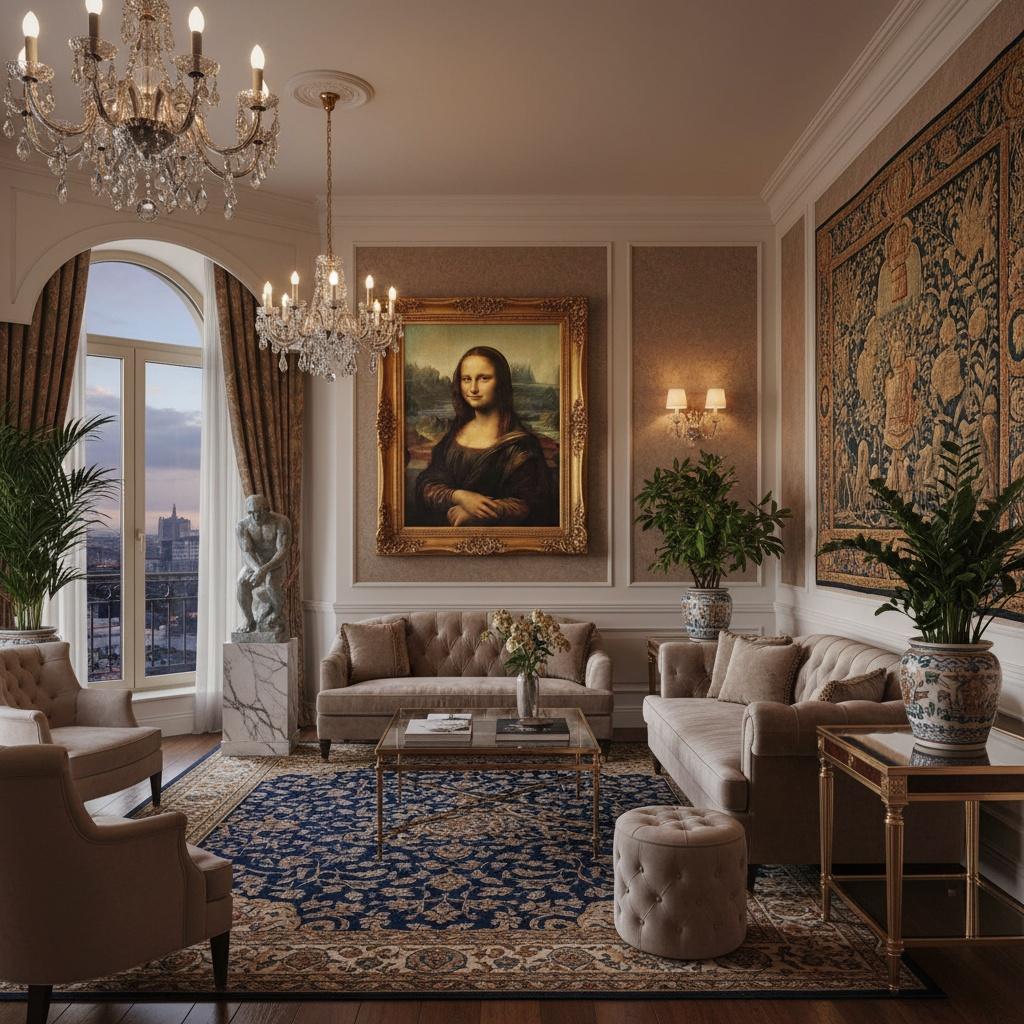
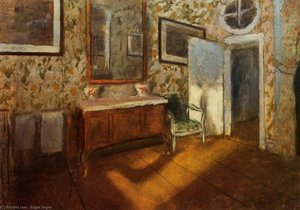
In the realm of luxury hospitality, the guest experience begins long before a single service is rendered; it commences the moment an individual steps into a curated environment. For the discerning hotel designer, the lobby serves as a silent narrator, communicating the property's heritage, prestige, and soul through every visual cue. Integrating museum-quality reproductions allows a space to transcend mere decoration, transforming a transient corridor into a gallery of cultural significance. When we consider the profound impact of an exquisite Victorian parlor interior or the Regency elegance found in works like William Alfred Delamotte’s The Interior of The Chinese Room, we see how art establishes an immediate sense of permanence and class.
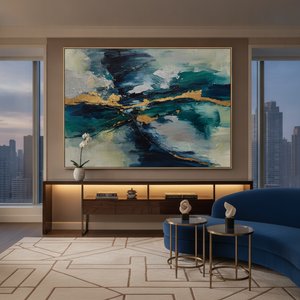
A well-chosen masterpiece acts as a cornerstone for brand storytelling. Whether a boutique hotel seeks to evoke the romanticism of the Impressionist era or a modern metropolitan landmark desires the sleek, commanding presence of contemporary fine art, these pieces provide a narrative anchor. By selecting works that resonate with the intended guest persona, designers can cultivate an atmosphere of exclusivity and intellectual depth, ensuring that the hotel's identity is not just seen, but deeply felt.
Curating Atmosphere: Selecting Eras and Styles for Specific Guest Experiences
The curation of art within a hospitality setting requires a sophisticated understanding of how historical styles influence psychological comfort and perceived value. The selection process is an exercise in atmospheric engineering. For instance, a hotel specializing in classical luxury might lean toward the heavy, textured opulence of Old Masters, utilizing rich pigments and dramatic chiarosciente to create intimate, moody lounges. Conversely, a light-filled conservatory or a wellness retreat may find its soul in the ethereal, sun-drenched palettes of Monet, where the art encourages a sense of tranquility and expansion.
Designers can even manipulate historical narratives through stylistic shifts. The ability to reimagine modern imagery through the lens of a 17th-century Rembrandt or a vibrant Van Gogh impasto allows for a bespoke approach to period-themed interiors. This level of curation ensures that every room—from the grand ballroom to the private suite—contributes to a cohesive emotional journey, guiding the guest through a carefully orchestrated sequence of moods and memories.
Beyond the Frame: Integrating Large-Scale Murals and Multi-Panel Installations
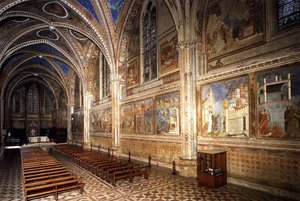
To truly command a space, art must often break free from the traditional boundaries of a single frame. In grand hotel lobbies or sweeping staircases, the use of large-format architectural art can redefine the very proportions of a room. Massive canvas rolls, painted as breathtaking murals or ceiling frescoes, allow designers to recreate the awe-inspiring grandeur of historical landmarks like the Sistine Chapel within a modern architectural context. These installations act as immersive environments, enveloping the guest in a world of classical beauty.
Furthermore, the contemporary trend of multi-panel or group set paintings offers a dynamic way to address expansive wall surfaces. By splitting a single, cohesive composition across three, four, or even five panels, a designer can create a rhythmic, modern architectural look that directs the eye along a corridor or emphasizes the height of a soaring atrium. This technique provides a sense of movement and continuity, ensuring that the art feels integrated into the building's structural DNA rather than merely hung upon it.
Technical Excellence: Ensuring Longevity and Texture in High-Traffic Hospitality Spaces
In the high-traffic environment of a luxury hotel, the technical integrity of art is as vital as its aesthetic appeal. A designer must prioritize works that possess both physical durability and tactile presence. Unlike flat, digital prints that can feel sterile under harsh lobby lighting, hand-painted oil reproductions offer a three-dimensional vitality. The visible, tactile brushstrokes and the application of multiple layers of oil paint create a "living" quality that captures light and shadow in ever-changing ways throughout the day.
Longevity is achieved through meticulous craftsmanship and superior materials. The use of heavy-duty cotton canvas, premium pigments with high lightfastness, and protective finishes like Damar varnish ensures that the artwork remains vibrant for decades despite exposure to atmospheric pollutants or varying light levels. For those seeking even greater realism, textured prints—where clear acrylic gel is applied by hand—provide an added layer of depth, ensuring that the art retains its museum-grade prestige through years of continuous guest engagement.
Seamless Integration: Customizing Artworks to Match Bespoke Interior Palettes
The final hallmark of a masterfully designed hotel interior is the seamless marriage between the artwork and the architectural color palette. True luxury lies in the details of customization. Through professional digital mockup services, designers can visualize how a specific composition will interact with their chosen textiles, marbles, and wall treatments before a single brush touches the canvas. This allows for precise color matching, ensuring that the highlights of a painting perfectly complement the gold leaf of a frame or the subtle undertones of a bespoke carpet.
This level of bespoke service extends to the very essence of the art itself. Whether it is requesting a "period shift" to align with a room's era or utilizing AI-driven tools to restyle a photograph into a Cubist masterpiece, the possibilities for customization are limitless. When art is tailored to the specific chromatic and stylistic requirements of a project, it ceases to be an accessory and becomes an integral component of the architecture, completing the vision of a truly unparalleled luxury destination.
Discover the pinnacle of bespoke art curation at ArtsDot.com, where we transform historical masterpieces into breathtaking realities for the world's most prestigious interiors.