
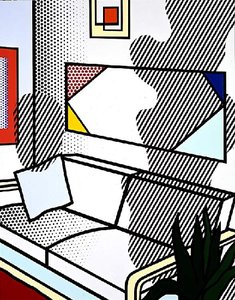
The Sensory Symphony: How Visual Narratives Influence Palate and Perception
In the realm of fine dining, the culinary arts do not exist in a vacuum; they are part of a much larger, multisensory orchestration. While the chef meticulously balances acidity, fat, and salt, the diner’s experience begins long before the first course arrives. It begins with the eyes. The visual narrative established by a room's decor acts as a silent appetizer, priming the palate for the flavors to come. When a guest enters a space adorned with thoughtful, evocative imagery, a psychological phenomenon occurs where the aesthetic richness of the environment translates into an expectation of culinary excellence.
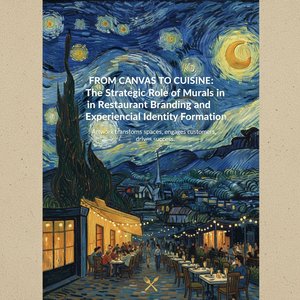
Consider the profound impact of texture and depth. A flat, uninspired wall offers nothing to the wandering eye, often leading to a sense of sterile detachment. Conversely, a canvas featuring the thick, impasto brushstrokes characteristic of a Post-Impressionist masterpiece invites a tactile curiosity. This visual richness stimulates the brain's reward centers, creating an atmosphere of abundance. When the eyes feast upon the vibrant colors and energetic movements found in works reminiscent of Van Gogh’s Interior of a Restaurant, the mind perceives a world of vitality, making the flavors of the meal feel more intense, layered, and memorable.
Ultimately, the art serves as a bridge between the physical act of eating and the emotional experience of dining. By integrating fine art into the architectural fabric of a restaurant, owners are not merely decorating; they are composing a symphony where every visual note supports the gastronomic melody, ensuring that the memory of the meal lingers long after the check has been settled.
Curating Atmosphere: AlignAligning Art Movements with Culinary Identity
Every prestigious restaurant possesses a soul—a unique identity defined by its heritage, its menu, and its service philosophy. The strategic selection of art is the most potent tool an owner has to communicate this identity without uttering a single word. To achieve true luxury, there must be a seamless alignment between the culinary concept and the artistic movement displayed on the walls. A mismatch here can create a jarring cognitive dissonance that undermines the brand's perceived authenticity.
For instance, a modern, avant-garde bistro focusing on molecular gastronomy might find its spirit reflected in the fractured perspectives of Cubism or the dreamlike distortions of Surrealism. These movements challenge the diner’s perception, mirroring the innovation found on the plate. In contrast, a classic French brasserie, rooted in tradition and timeless elegance, finds its natural companion in the Old Masters or Impressionist landscapes. The soft, light-drenched scenes of Monet or the structured opulence of classical studies provide a sense of continuity and historical weight, reassuring the guest of the restaurant's commitment to enduring quality.
This curation extends to the very concept of "remixing" history. A forward-thinking restaurateur might commission a piece that takes a contemporary photograph and reimagines it through the lens of a 17th-century master. This creates a sophisticated tension between the old and the new, signaling to the guest that while the establishment respects tradition, it is not bound by it. When the art movement and the culinary concept are in perfect harmony, the atmosphere becomes immersive, transforming a simple meal into a curated cultural event.
The Psychology of Space: Using Color Theory and Scale to Drive Table Turnover and Comfort
Beyond aesthetics, the strategic use of art is a masterclass in environmental psychology. The dimensions, colors, and placement of artworks can subtly dictate the rhythm of a dining room, influencing both guest comfort and operational efficiency. This is where the science of design meets the art of hospitality. Color theory plays a pivotal role; warm tones like deep ochres, rich reds, and golds can stimulate appetite and foster a sense of intimacy, making them ideal for cozy, high-end lounges. Conversely, cool blues and serene greens, much like those found in elegant watercolor studies, can induce a state of relaxation and lengthened stays, perfect for fine-dining establishments where the goal is a slow, contemplative experience.
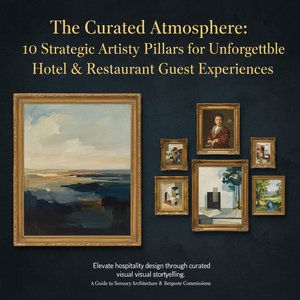
Scale is equally critical to the architectural flow. A massive, large-format mural or a multi-panel group set painting can anchor a room, providing a focal point that draws the eye upward and makes even high-ceilinged halls feel grand yet cohesive. Such works prevent the space from feeling cavernous or intimidating. On the other hand, smaller, more intimate works placed strategically near booths can create "micro-environments," offering a sense of privacy and enclosure for guests seeking a discreet dining experience.
A sophisticated understanding of these elements allows an owner to manage the "tempo" of the room. By using art to balance energy levels—using bold, high-contrast pieces to energize a bar area while utilizing softer, more muted tones in the main dining hall—the restaurateur can guide the guest's emotional journey. This careful manipulation of space ensures that the environment supports the desired turnover rates and maximizes the comfort of every patron.
From Walls to Revenue: The ROI of Bespoke Art Installations and Brand Distinction
In the competitive landscape of luxury hospitality, differentiation is the primary driver of revenue. While many restaurants offer high-quality food, few offer a truly distinct atmosphere that becomes a destination in its own right. This is where the Return on Investment ('ROI') of bespoke art becomes evident. A restaurant with a curated collection of fine art reproductions or custom commissions possesses a "visual trademark" that is much harder to replicate than a menu or a decor package.
The economic impact manifests in several key areas. First, there is the increase in perceived value. Guests are willing to pay a premium for an experience that feels exclusive and culturally enriched. A dining room that feels like a private gallery elevates the brand from a mere eatery to a cultural landmark. Second, art-centric environments are inherently "Instagrammable." In the modern era, a striking piece of wall art serves as organic marketing, as guests capture and share images of their surroundings with their global networks, providing high-value exposure that far exceeds traditional advertising budgets.
Furthermore, bespoke installations contribute to brand loyalty. When a guest feels an emotional connection to a space—perhaps triggered by a piece of art that resonates with their own sensibilities—they are far more likely to become repeat patrons. The art becomes part of the restaurant's legacy, creating a sense of place that stays with the diner. Investing in high-quality, textured oil paintings or custom-sized murals is not an expense; it is a strategic capital investment in the brand’s long-term equity and market distinction.
Strategic Implementation: Navigating Custom Commissions, Murals, and Large-Scale Artworks
Executing a vision of this magnitude requires more than just good taste; it requires meticulous planning and access to professional expertise. The transition from concept to installation involves navigating various mediums, from the delicate beauty of Giclée prints to the monumental presence of architectural frescoes. For large-scale projects, such as covering an entire dining hall ceiling or creating a sweeping wall mural, the logistics demand a partner capable of managing complex dimensions and heavy-duty materials.
The most profound way to achieve brand distinction is through custom commissions. This allows for total control over color palettes, subject matter, and even "period shifts"—such as transforming a modern architectural photograph into a textured, impasto oil painting. For the restaurateur, this removes the risk of generic decor. Working with professional coordinators ensures that every detail, from the initial digital mockup to the final application of protective Damar varnish, meets museum-grade standards. This level of precision ensures that the artwork will not only look spectacular upon arrival but will also retain its vibrancy and depth for decades.
As we look toward the future of hospitality, the integration of technology and tradition offers unprecedented opportunities. The ability to use AI tools to reimagine personal or brand-related imagery into classical styles, followed by a human artist’s meticulous hand-painting, allows for a level of personalization previously reserved for the ultra-wealthy. For the modern restaurant owner, the path to a transformative dining experience lies in this intersection of strategic vision and masterful craftsmanship, turning every wall into a canvas for culinary storytelling.
For professionals seeking to elevate their spaces with museum-quality reproductions, custom oil masterpieces, or large-scale architectural art, ArtsDot.com provides the expertise and global reach necessary to turn a dining room into a masterpiece. From bespoke commissions to curated collections, we help you create environments that inspire, enchant, and endure.