The Theatre of Light: Understanding Chiaroscuro and Emotional Depth
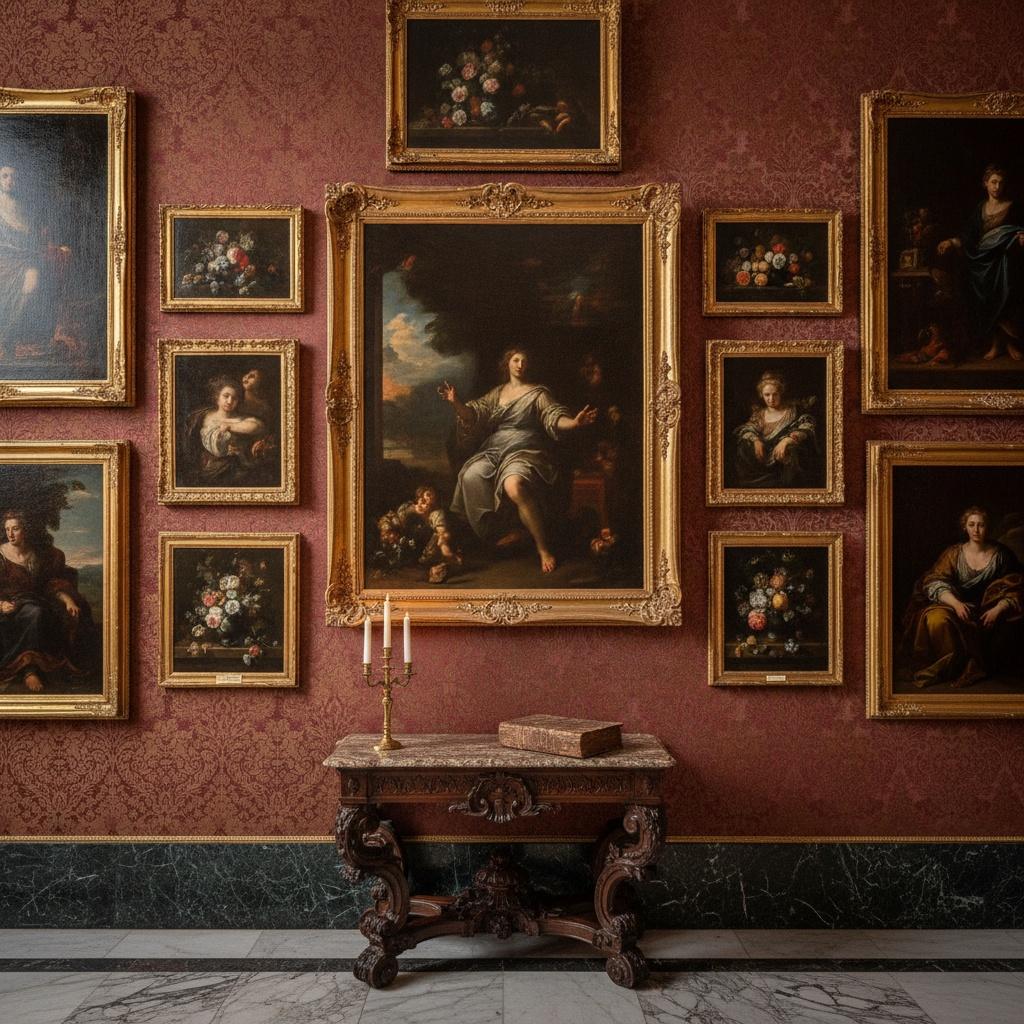
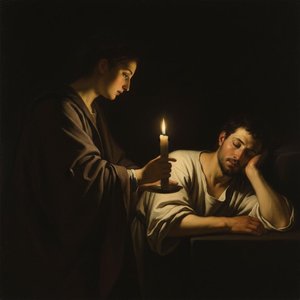
To gaze upon a Baroque masterpiece is to witness a world caught in the very moment of transformation. Unlike the serene, balanced compositions of the Renaissance, which sought a rational clarity and eternal stillness, the Baroque era introduced a visceral, cinematic intensity that refuses to let the viewer remain a mere spectator. At the heart of this movement lies the profound technique of chiaroscuro—the masterful interplay between deep, enveloping shadows and sudden, piercing light. This is not merely a technical achievement; it is an emotional language. When we observe the works of masters like Caravaggio or the luminous textures in Simon Vouet’s Saint Guillaume d'Aquitaine, we see how light acts as a sculptor, carving figures out of the darkness and imbuing every drapery fold and facial expression with palpable tension.
This dramatic use of contrast serves to direct the eye, creating a focal point that demands an immediate psychological connection. The shadows are never truly empty; they are heavy with mystery, while the light often carries a divine or theatrical significance, illuminating the raw human emotions of ecstasy, suffering, or triumph. In the hands of a true virtuoso, the brushwork captures the fleeting nature of life—the way a single beam of light might catch the glint of a jewel or the moisture in an eye. It is this very tension, this breath held in anticipation of the next movement, that gives Baroque art its enduring power to move the soul and command the attention of even the most seasoned collector.
A Legacy of Grandeur: From the Counter-Reformation to Absolute Monarchies
The origins of this aesthetic earthquake were deeply rooted in the spiritual and political upheavals of the seventeenth century. Born from the fires of the Counter-Reformation, the Baroque style was championed by the Catholic Church as a potent tool of the Catholic Revival, designed to inspire awe and reaffirm the majesty of faith through sensory splendor. Yet, as the movement matured, it transcended its religious foundations to become the definitive visual language of power for Europe’s absolute monarchs. From the opulent halls of Versailles to the breathtaking grandeur of the New Schleißheim Palace, art became a medium for asserting dominance, wealth, and divine right.
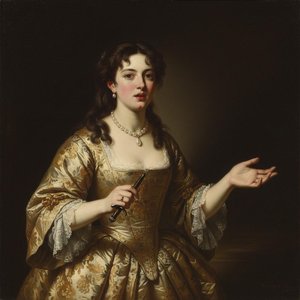
This era saw a magnificent expansion of regional styles that enriched the global artistic heritage. In the Netherlands, the Dutch Golden Age brought a unique intimacy to the movement, where artists like Rembrandt van Rijn explored the psychological depths of portraiture and domestic life with unparalleled realism. Meanwhile, in Spain, the works of Velázquez achieved a level of naturalism and decorum that balanced royal dignity with profound human truth. Whether through the monumental religious frescoes of the Italian masters or the sweeping, energetic canvases of Peter Paul Rubens, the Baroque period established an era where art was never merely decorative; it was a grand narrative of the human condition, designed to reflect the very scale of the heavens and the might of empires.
Curating Drama: Integrating Baroque Masterpieces into Modern Luxury Interiors
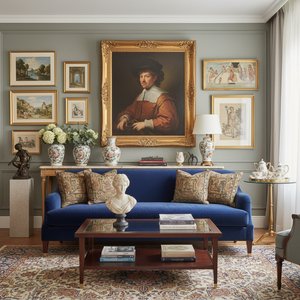
For the discerning interior designer or the elite collector, integrating a Baroque masterpiece into a contemporary space is an exercise in sophisticated contrast. The challenge lies not in matching the era, but in allowing the painting’s inherent drama to act as a cornerstone of the room's narrative. A large-scale, high-contrast oil painting can serve as a profound anchor for a minimalist or modern lounge, where its rich textures and deep tones provide a necessary warmth against clean lines and neutral palettes. The key is to treat the artwork as a focal point that commands respect, allowing its shadows to add depth to the architectural volume of the room.
When curating such a space, one must consider the dialogue between the painting and the surrounding elements. A Baroque work thrives when paired with materials that echo its opulence—velvets, dark woods, or gilded accents—yet it can also achieve a breathtakingly modern effect when placed in a setting of stark, contemporary elegance. The goal is to create an atmosphere where history breathes alongside modernity, much like the immersive experience found within the Staatsgalerie Schleissheim. By carefully selecting works that resonate with the existing color palette and light levels of a room, one can transform a mere living space into a sanctuary of culture and profound emotional resonance.
The Art of the Recreation: Hand-Painted Oil Tributes by ArtsDot Masters
At ArtsDot, we believe that the majesty of the Old Masters should be accessible to those who possess the passion for them, without compromising on the sanctity of the technique. Our studio does not produce mere copies; we facilitate the creation of hand-painted oil reproductions that honor the original's soul. Each piece is a labor of devotion, executed by professional artists who hold advanced degrees from prestigious academies and have spent years mastering the specific "hand" of the greats. We eschew all computer-aided printing processes for our oil works; instead, we rely on the meticulous layering of high-quality pigments on 100% cotton artist canvas.
The result is a tactile experience that a print can never replicate. When you run your hand near the surface of a ArtsDot reproduction, you can feel the actual texture of the brushstrokes—the heavy impasto or the delicate glazes. Our artists utilize traditional methods, such as using safflower oil for lighter tones to prevent yellowing, and finishing each work with a protective Damar varnish. We even offer a unique aged-and-cracked craquelure effect for those seeking an authentic, museum-quality patina. This commitment to technical excellence ensures that every commission is not just a visual match, but a physical tribute to the enduring legacy of Baroque craftsmanship.
Bespoke Elegance: Customizing Historical Styles for the Discerning Collector
True luxury lies in the ability to personalize one’s surroundings to reflect an individual identity. ArtsDot offers unparalleled opportunities for stylistic customization, allowing collectors to bridge the gap between historical reverence and personal vision. Through our professional consultation service, we can assist you in reimagining contemporary subjects through a Baroque lens. Imagine the profound impact of having a modern family portrait executed with the dramatic chiaroscuro of Rembrandt, or transforming a cherished photograph into a grand, sweeping scene reminiscent of Rubens.
Our bespoke services extend far beyond simple replication. We specialize in complex commissions that involve merging multiple subjects, altering backgrounds, or even shifting the entire genre of a piece—from a maritime scene to a regal portrait. Our Project Coordinators work one-on-one with you, providing digital mockups for approval before a single drop of paint touches the canvas. This ensures that every detail, from the luminosity of the skin tones to the specific shade of a velvet cloak, aligns perfectly with your expectations. At ArtsDot, we do not just deliver art; we deliver a personalized legacy, meticulously crafted to become a permanent part of your extraordinary collection.