




The Mirror of the Mind: Understanding the Psychological Depth of Portraiture
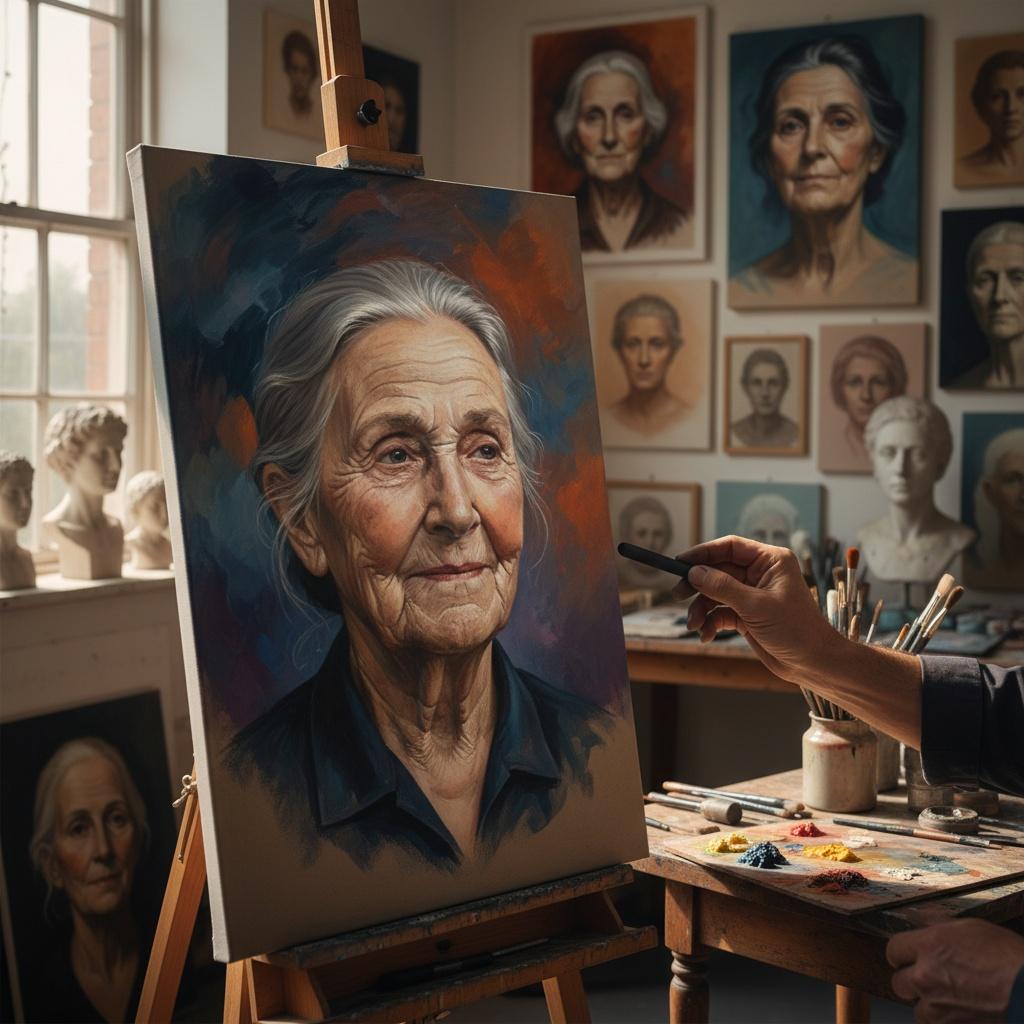
To gaze upon a portrait is to engage in a silent, profound dialogue with a soul that may have long since departed the physical realm. Beyond the mere recording of facial features or the display of aristocratic finery, true fine art portraiture serves as a mirror of the human psyche. It seeks not just to replicate the likeness, but to excavate the interiority of the subject, revealing the subtle tensions, hidden sorrows, and quiet triumphs that define our existence. This pursuit of psychological depth transforms a simple depiction into a window through which we glimpse the universal complexities of the human condition.
In the history of portraiture, the mastery of the artist lies in their ability to capture what remains unseen by the naked eye. A well-executed portrait does not merely present a face; it presents a narrative. Through the careful arrangement of posture and the nuanced rendering of expression, an artist can suggest a lifetime of experience within a single, frozen moment. This depth invites the viewer to move beyond passive observation and into a state of empathetic reflection, where the boundaries between the observer and the observed begin to dissolve.
Expressionism and the Unseen: How Bold Strokes Convey Raw Emotion
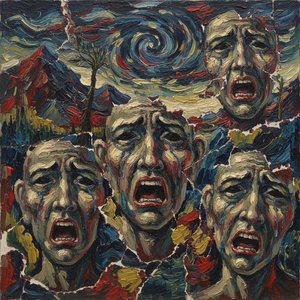
When the objective reality of a subject is no longer sufficient to convey their internal state, art moves toward the realm of Expressionism. Here, the artist abandons the constraints of anatomical perfection in favor of emotional truth. We see this most vibrantly in works such as Egon Schiele’s Portrait of the Publisher Eduard Kosmack, where bold, often jagged lines and muted, somber tones are utilized to articulate an intense psychological tension. In these masterpieces, the brushstroke itself becomes a vehicle for feeling; a heavy, agitated mark can communicate anxiety, while a fluid, sweeping line might suggest a sense of longing or grace.
This movement revolutionized our understanding of the portrait by prioritizing the subjective experience over objective accuracy. The distortion of form is not an error of technique, but a deliberate choice to manifest the intangible. By manipulating shape and texture, Expressionist masters allow the viewer to feel the raw, often uncomfortable pulse of human emotion. It is in this departure from realism that the most profound truths are often found, as the canvas becomes a battlefield where the artist’s inner turmoil meets the subject's hidden reality.
Beyond the Surface: The Role of Light, Shadow, and Color in Evoking Sentiment
The alchemy of emotion in fine art is frequently achieved through the sophisticated manipulation of light and color. Chiaroscuro—the dramatic interplay between light and shadow—has long been a cornerstone of emotive painting, providing the necessary contrast to create volume and mood. Deep, enveloping shadows can shroud a subject in mystery or melancholy, while a singular, piercing light source can highlight a moment of spiritual clarity or intense vulnerability. This interplay directs the viewer's eye, guiding them through the emotional topography of the composition.
Color, too, acts as a silent language of the heart. The warmth of a golden hue can evoke nostalgia and comfort, whereas the cold, clinical blue of a twilight scene might instill a sense of profound isolation. Consider the raw intensity found in Edvard Munch’s Lovers on the Beach II; through dramatic lighting and a palette that emphasizes psychological weight, Munch evokes an atmosphere of intense longing and existential dread. When color is applied with intention, it ceases to be merely a descriptive tool and becomes an atmospheric force capable of altering the viewer's very heartbeat.
The Intimacy of the Gaze: Connecting with the Subject Across Centuries
Perhaps the most potent element in any portrait is the gaze. The eyes are often described as the windows to the soul, and in fine art, they serve as the primary conduit for connection. Whether it is a direct, challenging stare that confronts the viewer or a downward, averted look that suggests introspection and modesty, the direction of the gaze dictates the intimacy of the encounter. A subject who meets our eyes demands recognition; a subject who looks away invites us to wonder about their private thoughts.
This connection transcends time. When we stand before a centuries-old self-portrait, such as those by Ernst Ludwig Kirchner, we are not merely looking at a historical artifact; we are experiencing a contemporary emotional resonance. The gaze of the subject bridges the gap between eras, creating a shared moment of humanity. This intimacy is what allows a portrait to remain vital and haunting long after the artist's tools have been laid to rest, ensuring that the spirit of the subject remains perpetually present in the collective consciousness of art lovers.
Preserving the Human Spirit: The Enduring Legacy of Emotional Masterpieces
The enduring power of emotional portraiture lies in its ability to preserve the ephemeral. Emotions fade, and lives conclude, but a masterful painting captures the essence of a feeling with a permanence that biology cannot claim. These works serve as our cultural memory, holding within their layers of pigment the very breath of human experience. To collect or admire such works is to participate in the preservation of our shared humanity, ensuring that the profound depths of the soul are never truly lost to time.
As we continue to find new meaning in these historical and contemporary triumphs, we recognize that the true value of a portrait lies not in its material worth, but in its capacity to move us. Whether through the meticulous layering of oil on canvas or the vibrant energy of modern strokes, the pursuit of capturing the soul remains one of the highest callings in fine art. It is a legacy built on passion, technique, and an unwavering commitment to the truth of what it means to feel.
At ArtsDot.com, we celebrate this profound connection to art history. From hand-painted oil reproductions that honor the tactile textures of the Old Masters to custom commissions that transform personal memories into timeless masterpieces, our mission is to make the emotional depth of fine art accessible to collectors worldwide. We invite you to explore our curated library and discover a piece that speaks to your own soul.