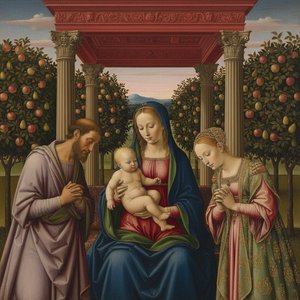
The Silent Sermon: Understanding Symbolism as a Visual Language
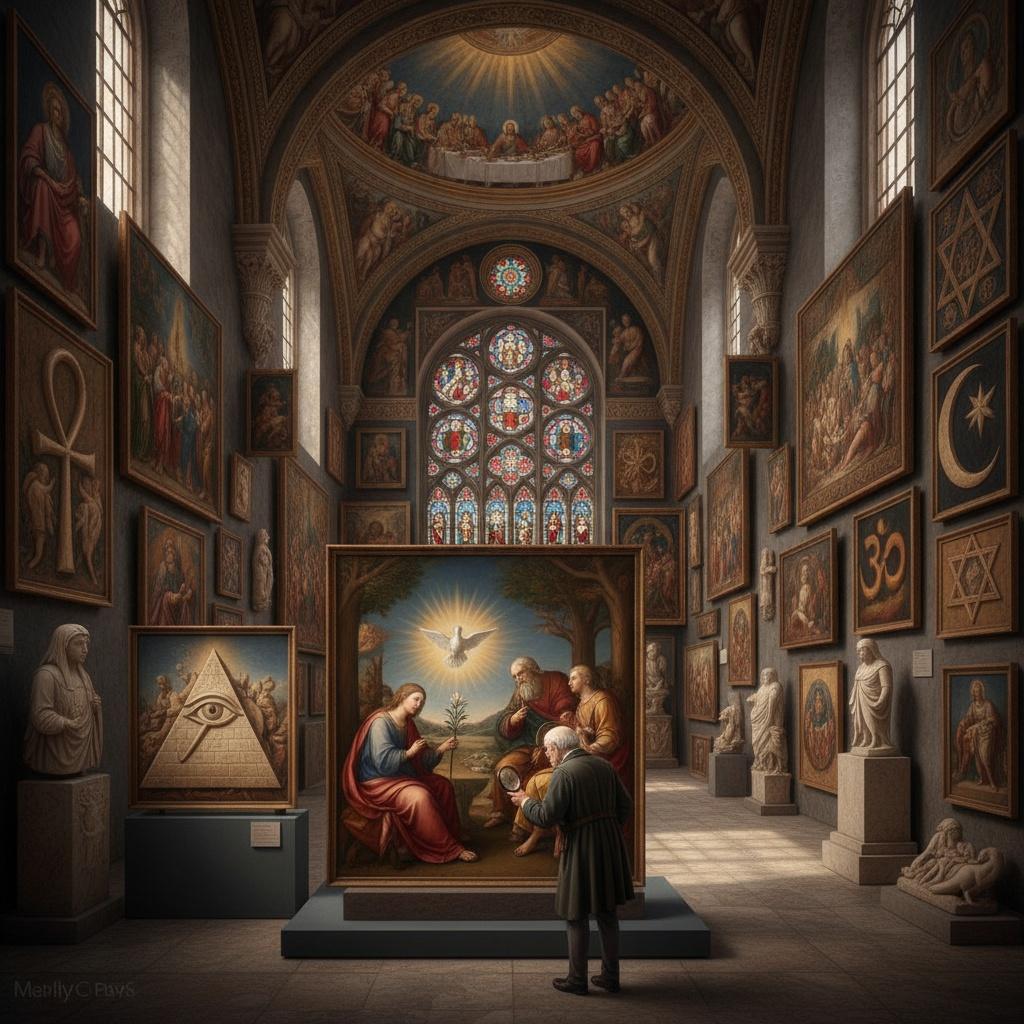
To the untrained eye, a masterpiece may appear as a mere arrangement of pigment and light, a beautiful window into a bygone era. However, for the true enthusiast, every brushstroke in religious art serves as a syllable in a profound, silent sermon. Throughout history, artists have functioned not merely as decorators, but as theologians of the visual realm, utilizing a complex lexicon of symbols to communicate truths that words often fail to capture. This sacred language relies on the shared understanding of iconography—a system where an object, a color, or even a specific gesture carries weight far beyond its physical form.
When we gaze upon classical works, we are participating in a deep reading of history. A single lily held by a figure is never just a flower; it is a testament to purity and the Annunciation. A pomegranate, bursting with seeds, whispers of resurrection and the unity of the Church. This layer of meaning transforms the canvas from a static image into a living, breathing narrative. By decoding these subtle cues, the viewer transcends the surface level of aesthetics, entering into a contemplative dialogue with the divine intentions of the master painters who preceded us.
Sacred Narratives: Decoding the Crucifixion and Martyrdom in Renaissance Art
The most poignant expressions of this visual theology are perhaps found within the depictions of the Crucifixion. In works such as Giovanni Di Niccolò Mansueti’s Symbolic Representation of the Crucifixion, the artist does not merely document a historical event but constructs a multi-layered spiritual experience. Here, every element is curated to evoke a specific emotional and theological response. The presence of certain figures, the positioning of the cross, and even the way shadows fall across the landscape are all intentional components of a larger narrative regarding sacrifice and redemption.
Martyrdom in Renaissance art often utilizes specific attributes to identify saints and illustrate their steadfastness in faith. A wheel might signify the resilience of Saint Catherine, while a palm frond serves as a universal emblem of victory over death. These paintings demand an intimate knowledge of hagiography, inviting the collector to look past the visceral reality of suffering to find the underlying triumph of the spirit. It is within these intense, often dramatic compositions that the tension between human agony and divine grace is most exquisitely balanced, creating a profound sense of awe in the observer.
Divine Light and Liturgy: The Spiritual Resonance of Color and Composition
Beyond recognizable objects, the very atmosphere of a painting—its light and its palette—functions as a liturgical element. In the early Renaissance, masters like Duccio di Buoninsegna utilized vibrant, saturated colors to evoke the splendor of the heavenly realm. In the Maestà series, specifically the panels depicting Pontius Pilate washing his hands, the use of gold leaf and rich pigments does more than signify wealth; it creates a sense of "otherworldliness," separating the sacred event from the mundane reality of the viewer. The light in these works is rarely naturalistic; it is an uncreated, divine radiance that illuminates the truth.
Compositional structure also plays a vital role in directing the soul's journey through the artwork. The use of pyramidal compositions provides a sense of stability and eternal order, reflecting the perceived hierarchy of the cosmos. Conversely, more dynamic, swirling arrangements can evoke the movement of the Holy Spirit or the chaos of earthly struggle. When an artist masters the interplay between light and shadow—the technique of chiaroscroll—they are essentially manipulating the viewer's perception of presence and absence, making the invisible visible through the medium of oil and canvas.
Iconography of the Infinite: From Early Renaissance Panels to Monumental Murals
The scale of religious art allows for a spectrum of spiritual engagement, ranging from the intimate devotion prompted by small altarpieces to the overwhelming grandeur of monumental murals. We see this transition clearly in the works of Alphonse Maria Mucha, such as his Introduction of the Slavonic Liturgy. While much later than the Renaissance, this work utilizes a monumental scale and a rich tapestry of symbolic motifs to evoke a sense of sacred ceremony and cultural reverence. The sheer size of such works is designed to envelop the viewer, creating an immersive environment where the boundaries between the physical space and the painted heaven begin to blur.
Whether it is a delicate tempera panel meant for private meditation or a massive fresco adorning a cathedral ceiling, the goal remains consistent: to represent the infinite within the finite. The challenge for the artist has always been to capture the intangible—the essence of grace, the weight of sin, and the hope of salvation—using only the tangible materials of earth. This pursuit of the sublime is what gives religious art its enduring power, as it continues to challenge our perceptions of reality and our place within the greater cosmic order.
Preserving the Sacred: The Enduring Legacy of Religious Masterpieces in Modern Collections
In a contemporary world often characterized by rapid change and digital ephemeralness, the preservation of these classical religious masterpieces is of paramount importance. These works are not merely relics of the past; they are anchors of human culture and spiritual heritage. For the modern collector, acquiring a high-quality reproduction—such as a hand-painted oil on cotton canvas—is an act of stewardship. It allows the profound lessons and aesthetic triumphs of the Old Masters to continue breathing within modern homes and galleries.
The true value of these works lies in their ability to transcend time. When we surround ourselves with art that explores the depths of human belief and the heights of divine symbolism, we enrich our own contemplative lives. Through meticulous craftsmanship and a deep respect for historical technique, the legacy of the sacred continues to flourish, ensuring that the "divine details" of our shared history remain vibrant, visible, and deeply moving for generations to come.
ArtsDot.com remains dedicated to this mission of accessibility and preservation. Since 2004, we have worked to bring the grandeur of the Old Masters into the modern era through exquisite, hand-painted oil reproductions. Our artists, trained in the prestigious traditions of fine arts academies, specialize in capturing the authentic texture, brushwork, and soul of historical masterpieces. Whether you are seeking a custom portrait that reimagines a personal moment in the style of Rembrandt or a large-scale mural to transform an architectural space, ArtsDot provides a bridge between the timelessness of art history and the beauty of your contemporary life.