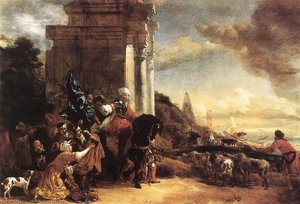
The Golden Horizon: Defining the Dutch Landscape Tradition
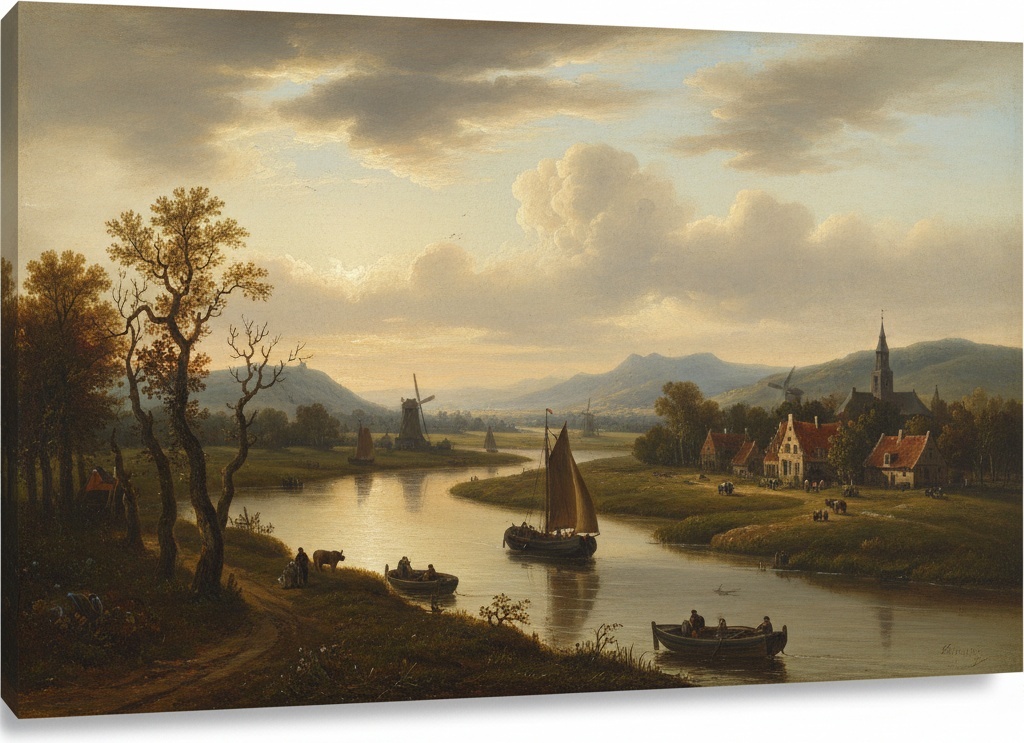
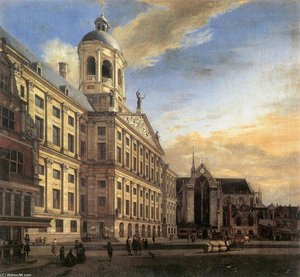
To step into a landscape from the Dutch Golden Age is to enter a world where the earth itself seems to breathe under a vast, ever-changing sky. During the seventeenth century, the Netherlands underwent a profound cultural and economic metamorphosis, moving away from the rigid, religious iconography of the Middle Ages toward a celebration of the tangible, lived reality of the Dutch countryside. This era birthed a new genre of painting that did not merely document terrain but elevated the humble topography of marshes, dunes, and riverbanks into a realm of profound dignity. Unlike the grand, idealized vistas of the Italian Renaissance, these Northern masters found majesty in the local; they captured the quiet strength of a windswept meadow and the rhythmic pulse of a nation built upon the careful management of water and land.
This period marked a pivotal shift in the relationship between the artist and the subject. The landscape became a vessel for national identity, reflecting a sense of pride in the reclaimed territories that defined the Dutch spirit. Artists began to move beyond mere topographical accuracy, seeking instead to capture the essence of the atmosphere. Whether it was the rugged textures of a woodland path or the serene stillness of a pastoral meadow, the focus remained on a deep, observational connection to the natural world. This tradition established a foundation for realism that would influence generations, proving that there is an inherent, quiet grandeur in the familiar landscapes we often overlook.
Chiaroscuro of the Earth: Mastering Light and Atmosphere
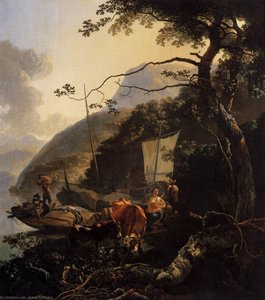
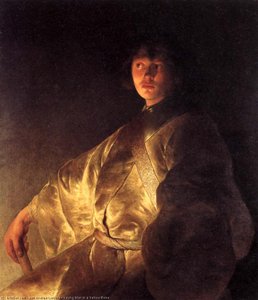
The true soul of Dutch landscape painting lies not in the objects depicted, but in the light that bathes them. The mastery of chiaroscuro—the dramatic interplay between light and shadow—allowed painters to sculpt the very air on their canvases. In the works of masters like Adam Pynacker, one observes how light does not simply illuminate; it reveals. A sudden break in a heavy cloud formation might cast a brilliant, golden spotlight upon a cluster of cattle or a distant figure, creating a sense of depth and movement that feels almost cinematic. This technique creates a dynamic tension, where the viewer’s eye is led through a labyrinth of sun-drenched clearings and somber, shadowed thickets.
This manipulation of light serves a dual purpose: it provides structural clarity to the composition while simultaneously evoking an emotional response. The damp, heavy atmosphere characteristic of the Low Countries—often rendered with subtle glazes of grey, silver, and muted green—creates a sense of humidity and weight. When a warm, low-hanging sun pierces through this mist, the resulting luminosity feels miraculous. It is this precise control over atmospheric perspective that allows a flat canvas to achieve an incredible illusion of infinite distance, pulling the observer into a world where the scent of rain-soaked earth and the coolness of the evening breeze feel tangibly present.
Italianate Influences: The Mediterranean Glow in Northern Skies
While the heart of this movement remained rooted in the Dutch soil, a fascinating stylistic dialogue emerged through the Italianate landscape tradition. Many Dutch artists, captivated by the warmth and classical elegance of the South, sought to infuse their native scenes with the golden, honeyed light of the Mediterranean. This was not an attempt to abandon their heritage, but rather an artistic expansion. Painters such as Jan Dirksz Both and Herman van Swanevelt masterfully blended the rugged, realistic textures of the North with a more idealized, sun-drenched aesthetic inspired by the Italian countryside.
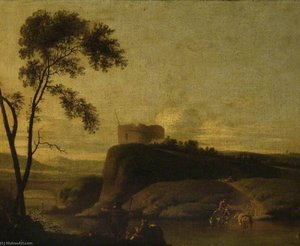
In these Italianate works, the palette often shifts toward warmer ochres, soft ambers, and brilliant golds. The compositions frequently feature classical motifs—ancient ruins, marble fragments, or Mediterranean flora—reimagined within a Dutch sensibility. This stylistic fusion created a unique sub-genre that offered viewers a sense of escapism and warmth, even during the greyest Northern winters. By integrating the luminous, clear light of Italy with the atmospheric complexity of the North, these artists achieved a sophisticated balance between the local and the universal, creating landscapes that felt both intimately familiar and grandly exotic.
Beyond the Canvas: Symbolism and Narrative in Pastoral Scenes
To the untrained eye, a Dutch landscape may appear to be a simple depiction of nature; however, beneath the surface of these pastoral scenes lies a rich tapestry of symbolism and narrative. The landscape was rarely just a backdrop; it was a stage for the subtle storytelling of everyday life. A solitary figure walking along a path, a group of travelers resting by an oak tree, or cattle grazing peacefully in a field—each element contributed to a larger discourse on the virtues of industry, peace, and the divine order of nature. The presence of certain trees, such as the sturdy, ancient oaks seen in the works of Adriaen van Ostade, often symbolized strength, endurance, and the deep roots of tradition.
Furthermore, these paintings often whispered of the transient nature of life. The fleeting quality of light, the shifting clouds, and the seasonal changes depicted in the art served as memento mori—reminders of the ephemeral beauty of the world. A storm gathering on the horizon or a decaying structure could represent the inevitable passage of time and the fragility of human endeavors. By embedding these quiet narratives within the landscape, the Dutch masters transformed their paintings into profound meditations on existence, inviting the viewer to contemplate their place within the vast, unfolding drama of the natural world.
Preserving the Masterpiece: The Art of Fine Art Reproduction
The enduring legacy of the Dutch Golden Age continues to inspire collectors and enthusiasts across the globe. However, the ability to possess such profound works of art requires a commitment to the highest standards of craftsmanship. At ArtsDot.com, we believe that a true reproduction must go beyond mere visual accuracy; it must capture the very "soul" of the original. This is achieved through the meticulous process of handmade oil painting, where our artists apply multiple layers of premium pigments onto heavy-duty cotton canvas. Unlike flat digital prints, our hand-painted recreations feature the tactile, three-dimensional texture of visible brushstrokes—the impasto—that gives a masterpiece its living quality.
Preserving this historical grandeur for modern interiors involves a marriage of traditional technique and contemporary transparency. Whether you are seeking a large-scale mural to transform an architectural space or a bespoke commission that reimagines a personal memory in the style of a 17th-century master, our process ensures museum-grade excellence. From the initial digital mockup to the final application of protective Damar varnish, every step is designed to ensure that the light, the atmosphere, and the profound narrative of the Dutch masters remain vibrant and undiminished for generations to come.