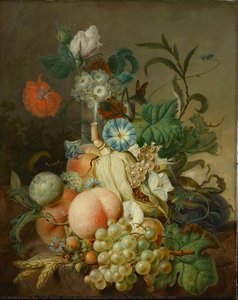
The Golden Age of Abundance: The Rise of the Fruit Still Life
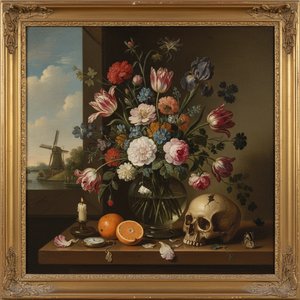
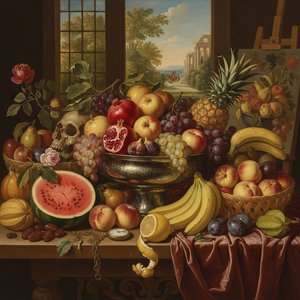
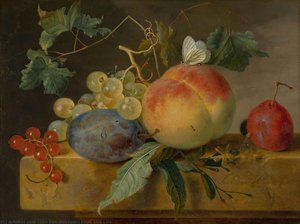
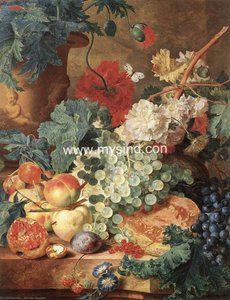
To gaze upon a classical still life is to witness a profound dialogue between human cultivation and the untamed generosity of the earth. During the seventeenth century, particularly within the flourishing landscapes of the Dutch Golden Age, the fruit arrangement emerged not merely as a decorative motif but as a celebration of prosperity, scientific discovery, and the sensory delights of a burgeoning era. These compositions served as much more than mere records of harvest; they were grand theatrical stages where the textures of velvet-skinned peaches, the translucent glow of grapes, and the sturdy presence of melons were elevated to the realm of the divine.
This period marked a pivotal shift in the hierarchy of genres. While history painting had long held the mantle of supremacy, the still life allowed artists to explore the minute intricacies of the natural world with an unprecedented level of intimacy. The rise of global trade routes brought exotic specimens to European tables, and painters were eager to capture this newfound opulence. Through their brushes, a simple arrangement of seasonal fruit became a monumental testament to the wealth of nations and the meticulous observation of the natural sciences, inviting the viewer to linger on every dewdrop and ripening skin.
Chiaroscuro and Texture: The Technical Mastery of Baroque Arrangements
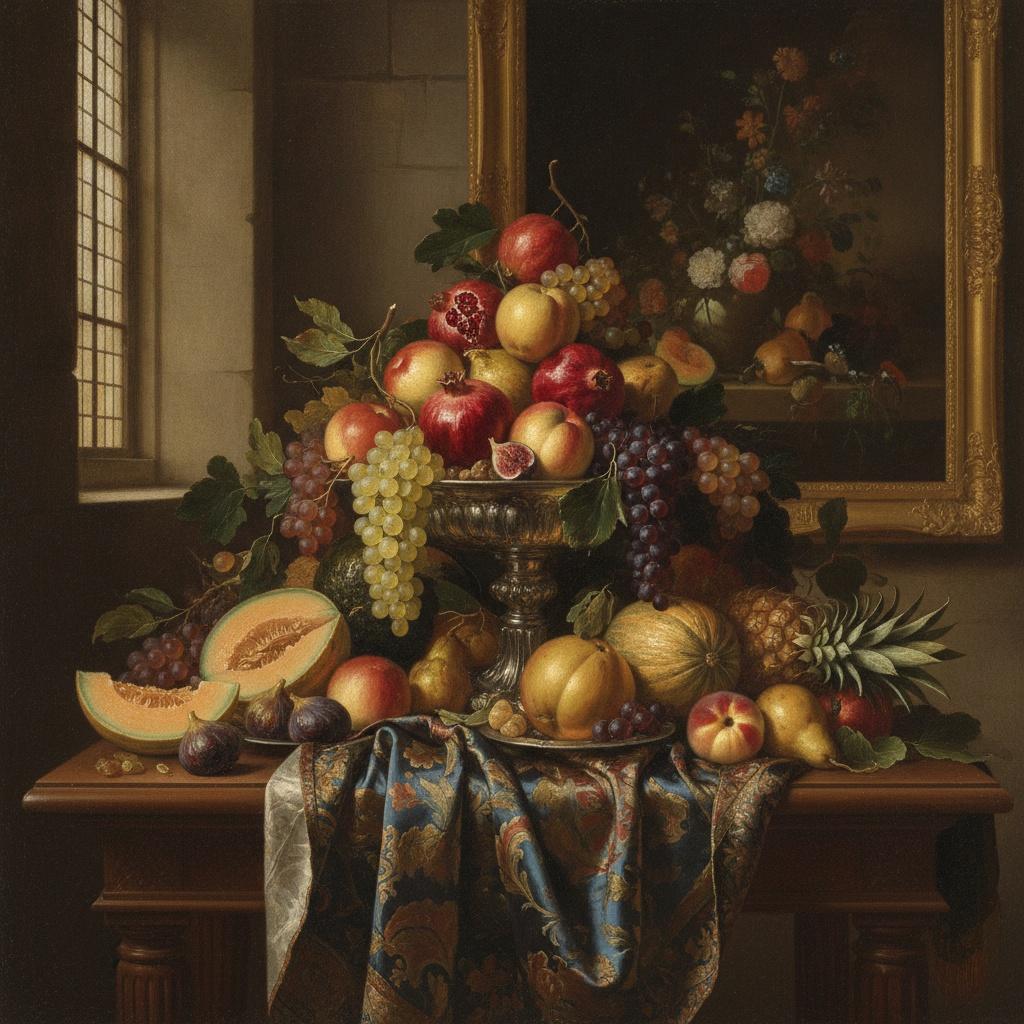
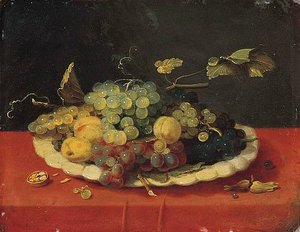
The true magic of the Baroque masterpiece lies in its ability to manipulate light and shadow to create a sense of three-dimensional presence that transcends the flat surface of the canvas. This technique, known as chiaroscuro, is nowhere more evident than in the works of masters like Jan Pauwel Gillemans the Elder. By casting deep, dramatic shadows behind luminous fruit, these artists achieved a sculptural quality, making the subject appear to emerge from the darkness into the viewer's very space. The interplay of light does not merely illuminate; it defines the tactile reality of the composition.
Consider the technical rigor required to render the varied surfaces found within a single arrangement. An artist must master the matte softness of a ripening plum, the reflective sheen of a polished apple, and the delicate, almost ephemeral translucency of a sliced citrus fruit. This mastery of texture is what breathes life into the work. When executed with precision, the visible brushstrokes—often applied in rich, impasto layers—contribute to a sensory experience that mimics the physical weight and juiciness of the subject matter. It is this tactile depth that distinguishes a true oil reproduction from a mere digital print, offering a soulfulness that resonates through the centuries.
Symbolism Beneath the Skin: The Vanitas and Hidden Narratives in Nature
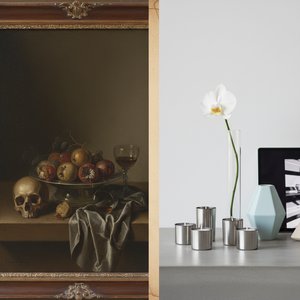
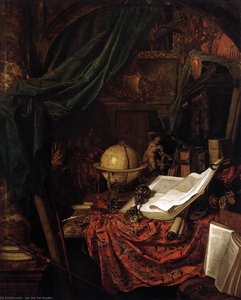
Beneath the surface-level splendor of these bountiful arrangements lies a more somber, philosophical layer known as Vanitas. To the educated eye of the Renaissance and Baroque periods, a bowl of fruit was rarely just a bowl of fruit. It was a meditation on the fleeting nature of life and the inevitability of decay. A perfectly ripe peach, while beautiful, carries within it the seeds of its own dissolution; a bruised grape or a small insect crawling upon a leaf serves as a memento mori—a gentle yet persistent reminder of mortality.
This duality creates a captivating tension within the artwork. The viewer is simultaneously seduced by the aesthetic beauty of the harvest and provoked by the underlying message of transience. This symbolic language allowed artists to weave complex narratives about the ephemeral nature of earthly pleasures and the permanence of the spiritual realm. By studying these arrangements, we engage in a timeless ritual of reflection, recognizing that the very abundance we celebrate is part of a continuous cycle of growth, peak, and eventual return to the earth.
From Antwerp to Rome: Regional Variations in Classical Fruit Compositions
While the themes of abundance and mortality were universal, the execution of fruit still lifes varied beautifully across the European continent. In the Flemish tradition, particularly through the works of artists like Pieter van Overschee, there was often an emphasis on a rugged, bountiful realism. These Antwerp-based compositions frequently integrated game and flora with fruit, creating dense, complex landscapes of texture that celebrated the richness of the local and imported harvest.
In contrast, the Italian Baroque, exemplified by the works of Giovanni Paolo Spadino, often infused fruit arrangements with a more classical, Roman elegance. Here, the compositions might feel more structured, utilizing light to create a sense of architectural grace even within a pile of fruit. Similarly, the delicate grape compositions of Joseph Nigg demonstrate how regional masters could focus on specific botanical elements to achieve a specialized form of mastery. These variations reflect the unique cultural priorities of each region, yet they all share a common devotion to the exaltation of nature's bounty.
Curating the Harvest: Integrating Masterpiece Reproductions into Modern Interiors
In the contemporary home, the inclusion of classical still life art offers a bridge between the historical past and the modern aesthetic. The profound depth of color and the dramatic lighting found in Baroque reproductions provide a sophisticated focal point that can anchor a room, adding a sense of permanence and intellectual weight to modern decor. Whether through a large-scale multi-panel set that spans a grand staircase or a single, intimate portrait placed in a study, these works invite conversation and contemplation.
For the discerning collector, the choice between different mediums is essential to achieving the desired atmosphere. A hand-painted oil reproduction on cotton canvas offers the authentic texture and tonal range of the Old Masters, making it an ideal choice for those seeking a museum-quality experience. For those looking to reimagine history, the ability to customize these works—perhaps by applying a modern color palette or even transforming a personal photograph into a period-accurate masterpiece—allows for a truly bespoke approach to interior curation. Ultimately, bringing these timeless arrangements into a modern space is an act of preserving human creativity and celebrating the enduring beauty of the natural world.
Discover the legacy of fine art at ArtsDot.com, where we specialize in bringing the grandeur of the Old Masters into your home through exquisite, hand-painted reproductions and bespoke commissions.