
The Essence of Truth: Defining the Russian Realist Movement
To understand the profound impact of Russian Realism, one must look beyond the mere depiction of physical forms and peer into the very soul of a nation in transition. Unlike the idealized, often ethereal aesthetics found in some Western traditions, Russian Realism emerged as a visceral, unyielding pursuit of truth. It was an art form rooted in the soil, breathing the heavy air of a changing social landscape, and seeking to capture the raw, unfiltered essence of human existence. This movement was not merely about documenting reality; it and was about interpreting the profound psychological and social weight of that reality.
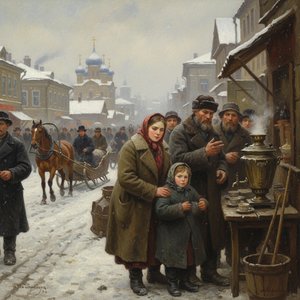
The movement's strength lay in its ability to find beauty within the somber and dignity within the downtrodden. Artists sought to bridge the gap between the canvas and the lived experience, utilizing a palette that often mirrored the earthy, muted tones of the Russian landscape. Through meticulous attention to detail and an uncompromising gaze, they transformed everyday scenes—a peasant's toil, a quiet moment of domesticity, or the aftermath of historical conflict—into monumental studies of human resilience. This was art as a mirror, reflecting both the triumphs and the tragedies of a people, demanding that the viewer confront the complexities of their own humanity.
Ultimately, the essence of this movement was its emotional honesty. By stripping away the veneer of romanticism, Russian Realists invited an intimate dialogue between the subject and the observer. They proved that truth, no matter how heavy or melancholic, possesses a unique, haunting beauty that can transcend time and borders, leaving an indelible mark on the collective consciousness of art history.
The Peredvizhniki: Rebels with a Social Conscience
In the mid-19th century, a profound rebellion took place within the hallowed halls of the Imperial Academy of Arts. A group of visionary artists, known as the Peredvizhniki or "The Wanderers," broke away from the rigid, classical constraints of academic tradition to forge a new path. This was not merely an aesthetic revolt but a moral one. These artists believed that art should not be confined to the gilded salons of the aristocracy; instead, it belonged to the people, traveling across the vast Russian territories to bring the truth of contemporary life to the masses.
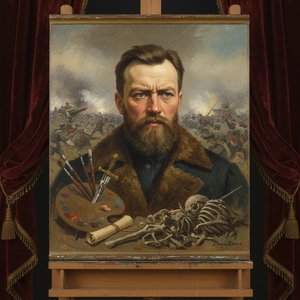
The Wanderers were driven by a deep-seated social conscience, using their brushes as instruments of critique and empathy. They turned their attention toward the struggles of the peasantry, the injustices of the social hierarchy, and the quiet tragedies of the common man. Works such as Vasily Perov’s Executed by Pugachev serve as haunting reminders of the violent historical currents that shaped the Russian psyche. Through their itinerant exhibitions, they democratized art, ensuring that the profound narratives of the marginalized were seen and felt far beyond the borders of Saint Petersburg.
This movement redefined the role of the artist in society, transforming them from mere decorators into social commentators and historians of the human spirit. The legacy of the Peredvizhniki remains a testament to the power of art to act as a catalyst for reflection and empathy, proving that when artists wander toward the truth, they bring the entire world closer to understanding itself.
Narratives of the Soil: Folklore, History, and the Peasantry
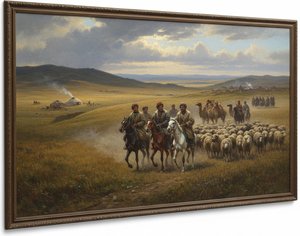
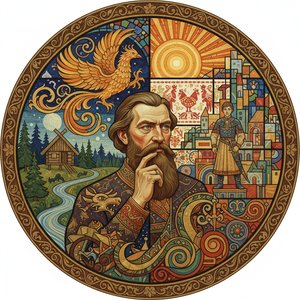
The heart of Russian Realism beats in rhythm with the land itself. The vast, sweeping landscapes of Russia—from the dense, mysterious forests to the sun-drenched steppes—provided more than just a backdrop; they were active participants in the narrative. Artists like Viktor Vasnetsov infused these landscapes with the magic of folklore, creating works that felt both grounded in reality and elevated by myth. In his detailed explorations of Tree Bogatyrs, one can sense the ancient, heroic spirits of the past emerging from the very bark and leaf of the Russian wilderness.
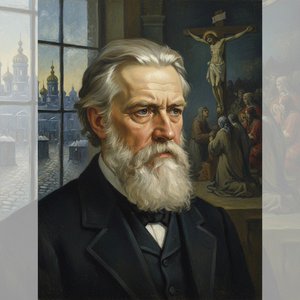
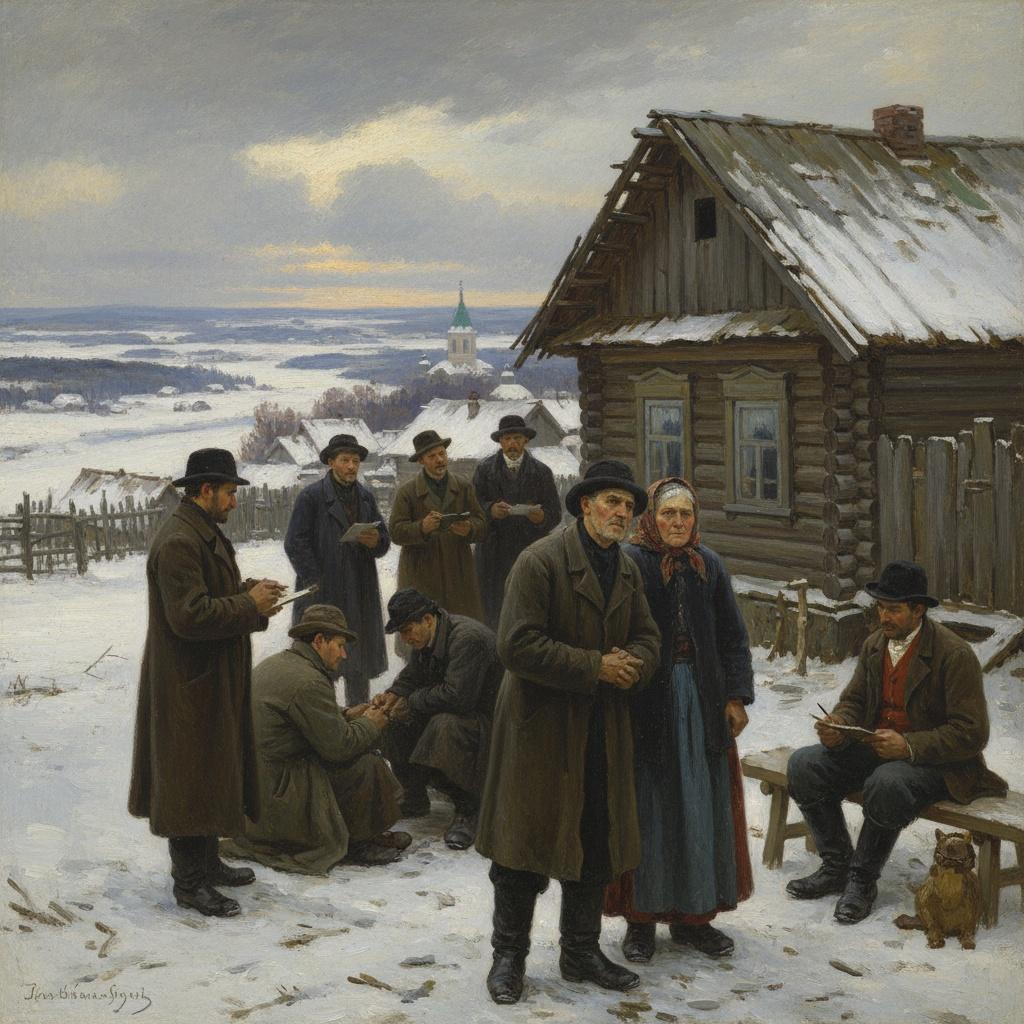
This connection to the soil extended deeply into the depiction of the peasantry, whose lives were inextricably linked to the cycles of nature and the weight of history. The genre paintings of this era often captured the quiet, monumental dignity of rural life. Nikolai Yaroshenko, in works such as Life Is Everywhere, demonstrated an incredible ability to find the sacred within the mundane, portraying the Holy Family with a poignant, earthly realism that resonated with the Ukrainian and Russian heritage. These were not idealized peasants of a pastoral fantasy, but real individuals navigating the complexities of faith, labor, and survival.
By weaving together the threads of historical legend and contemporary struggle, the Realists created a tapestry of national identity. They honored the ancestral myths while acknowledging the harsh realities of the present, creating a cohesive narrative that celebrated the enduring strength found in the simplest of lives. In their hands, the soil was not just earth, but a repository of memory and a foundation for the soul.
Light and Shadow: The Technical Mastery of Russian Genre Painting
The emotional depth of Russian Realism was supported by an extraordinary level of technical sophistication. To convey the weight of their subjects, artists mastered the interplay of light and shadow, using chiaroscuro not just for dramatic effect, but to sculpt form and evoke mood. This mastery allowed them to create a sense of three-dimensional presence that made the scenes feel almost tactile. The use of heavy, textured brushstrokes—often approaching an impasto technique—added a layer of physical reality to the canvas, mirroring the ruggedness of the subjects themselves.
Artists like Konstantin Makovsky brought a different dimension to this technical prowess, blending historical accuracy with a lush, detailed approach to genre painting. His ability to render the intricate textures of period clothing and the soft glow of candlelight within Russian domestic scenes provided a sense of immersive realism. This technical precision was never used for mere ornamentation; rather, it served to ground the viewer in the specificities of time and place, making the historical or social narrative feel immediate and undeniable.
Furthermore, the careful management of color palettes—often utilizing deep ochres, rich umbers, and somber blues—contributed to the atmospheric gravity of the works. The technical brilliance of these masters ensured that the "truth" they sought to portray was not just a conceptual idea, but a sensory experience. Through the disciplined application of pigment and light, they breathed life into the canvas, allowing the viewer to feel the chill of a winter morning or the warmth of a flickering hearth.
The Enduring Legacy: From Historical Tragedy to Modern Reverence
The impact of Russian Realism continues to resonate in the modern era, serving as a profound inspiration for collectors and art enthusiasts alike. The movement’s ability to capture the intersection of personal tragedy and historical upheaval provides a timeless blueprint for meaningful art. Today, we look back at these works not merely as relics of a bygone century, but as living documents of human resilience that continue to challenge our perceptions of truth and beauty.
This reverence is reflected in the modern desire to bring these powerful narratives into contemporary spaces. The enduring appeal of the masters lies in their ability to speak to universal themes: the struggle for justice, the sanctity of family, and the profound connection between humanity and nature. Whether through the study of a museum original or the appreciation of a meticulously crafted reproduction, the spirit of the Peredvizhniki remains vibrant and accessible.
At ArtsDot.com, we are dedicated to preserving this legacy of human creativity. We specialize in creating high-quality, hand-painted oil reproductions that capture the very essence of these masterpieces—from the visible, tactile brushstrokes to the profound emotional depth of the original compositions. Our mission is to make the soulful power of Russian Realism available to a global audience, ensuring that the truth found within these canvases continues to inspire and move generations to come.