The Golden Aura: Exploring Gustav Klimt’s Symbolist Revolution
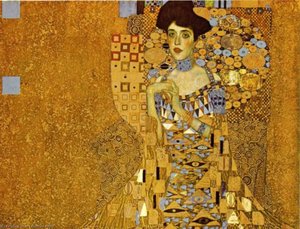
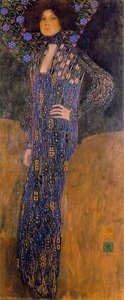
To step into the world of Austrian art is to enter a realm where the boundaries between reality and dream dissolve into a shimmering haze of gold and ornament. At the heart of this ethereal experience stands Gustav Klimt, a figure whose name has become synonymous with the very essence of the Fin de Sièle period. His work does not merely depict subjects; it envelops them in a profound, psychological atmosphere that transcends the physical plane. Through his mastery of Symbolism, Klimt invited viewers to look beyond the surface of the canvas, finding deeper truths within the intricate patterns and luminous textures that define his legendary Golden Phase.
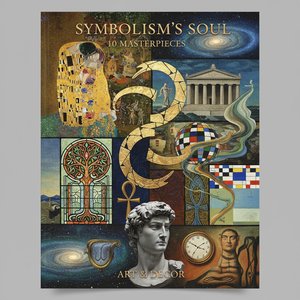
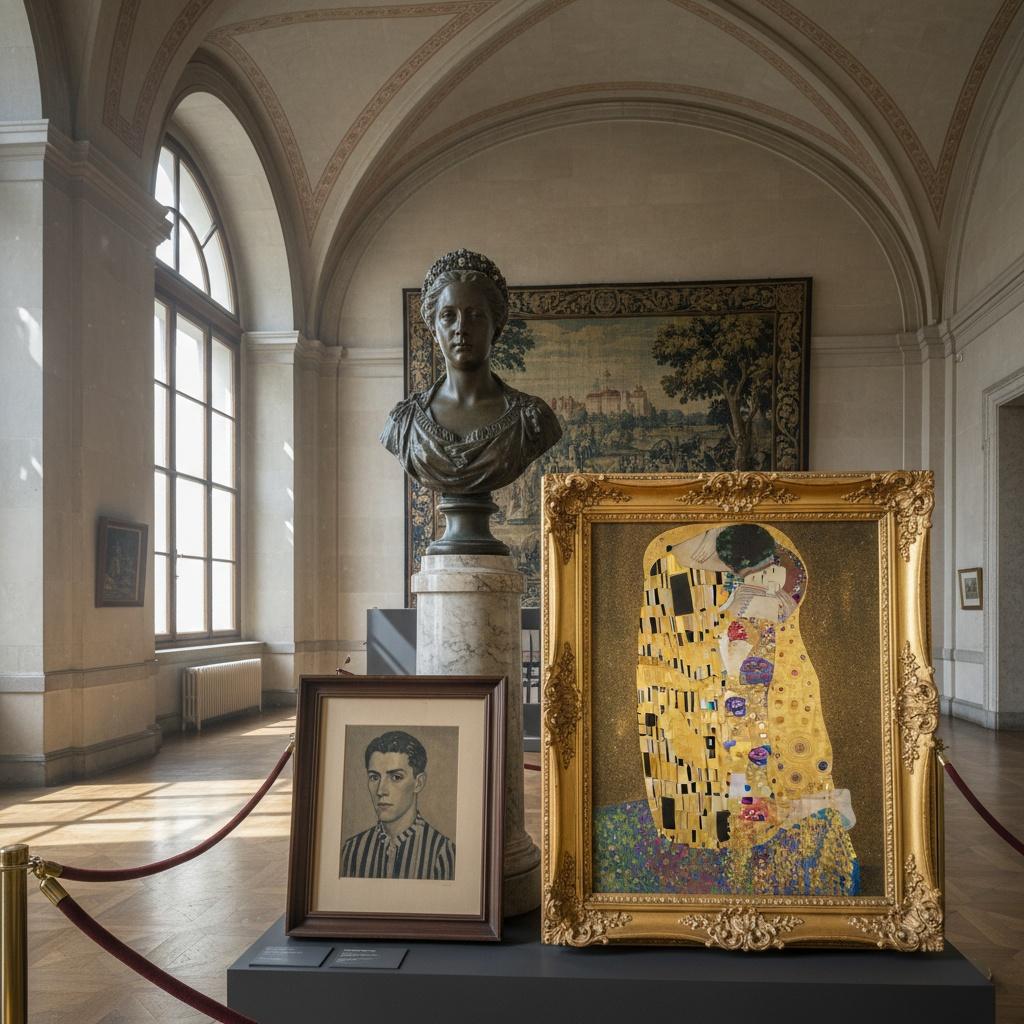
The brilliance of Klimt’s revolution lay in his ability to marry the sensual with the spiritual. In masterpieces such as Love (1895), one observes a mesmerizing interplay of intimate human figures and abstract, golden details that suggest an eternal, cosmic connection. This was not art meant for mere observation; it was art designed to evoke a visceral response, pulling the soul into a state of contemplative wonder. His use of gold leaf, reminiscent of Byzantine mosaics, transformed the canvas into a sacred object, elevating the portraiture of his era to something much more profound than simple representation.
As we contemplate these works today, we recognize that Klimt’s legacy is one of emotional depth and technical audacity. He challenged the rigid academic traditions of Vienna, replacing them with a language of organic shapes and symbolic motifs that spoke to the subconscious. His ability to capture the fleeting nature of desire and the permanence of beauty remains one of the most significant achievements in the history of Western art.
Viennese Secession: The Decorative Elegance of Art Nouveau
The dawn of the twentieth century in Vienna was marked by a radical departure from tradition, a movement known as the Viennese Secession. This was more than a mere stylistic shift; it was an aesthetic rebellion led by visionaries who sought to break free from the stifling constraints of historical academicism. The Secessionists believed in the concept of the Gesamtkunstwerk—the total work of art—where every element of design, from architecture to fine painting, worked in harmonious unity to create a cohesive aesthetic experience.
This era birthed a unique iteration of Art Nouveau, characterized by an exquisite balance of flowing, organic lines and structured, geometric ornamentation. Unlike the more whimsical flourishes found in French Art Nouveau, the Austrian style possessed a certain architectural gravity and intellectual rigor. It was an art of elegance and precision, where every curve served a purpose and every pattern contributed to a larger narrative of modern identity. This movement redefined the decorative arts, elevating them to the same prestige as fine painting.
The influence of the Secession can be felt in the very fabric of Viennese culture, manifesting in everything from the intricate floral patterns found in Klimt’s later works to the structural innovations of Otto Wagner. It was a period where beauty was viewed as an essential component of modern life, a way to navigate the complexities of a rapidly changing world through the lens of refined grace and sophisticated design.
Intimacy and Ornament: Decoding the Symbolism in Austrian Masterpieces
To truly appreciate the masterpieces of the Austrian tradition, one must learn to read the silent language of their ornamentation. In these works, decoration is never superficial; it is a dense tapestry of meaning, where every swirling vine, geometric square, and gilded petal carries a symbolic weight. The artists of this period utilized ornament to encode complex emotions and philosophical inquiries, turning the canvas into a cryptic map of the human psyche.
Consider the way Klimt utilizes patterns to delineate the boundaries between the individual and the infinite. In works like The Friends (1918), the interplay of textures and shapes creates a sense of interconnectedness, suggesting that our lives are woven into a larger, more complex tapestry of existence. Even in his more personal communications, such as his evocative postcards from Lake Attersee, the shimmering gold leaf and intricate floral motifs serve to romanticize the natural world, imbuing the landscape with a sense of mythic importance.
This layering of meaning allows for a deeply personal experience for each viewer. One might find solace in the rhythmic repetition of a pattern, while another might find tension in the sharp contrast of a geometric shape. By decoding these symbols, we gain access to the intimate thoughts and cultural anxieties of an era that was simultaneously obsessed with decadence and searching for spiritual renewal.
From Landscapes to Portraits: The Diverse Spirit of Austrian Fine Art
While the golden glow of Klimt often dominates our perception of Austrian art, the movement possessed a remarkable breadth that extended far beyond the confines of Symbolist portraiture. The Austrian landscape holds a special place in this artistic canon, offering a more grounded, yet no less evocative, perspective on the natural world. Painters of the era captured the light-drenched serenity of the Alpine lakes and the atmospheric depth of the Danube with a sensitivity that bridged the gap between realism and impressionism.
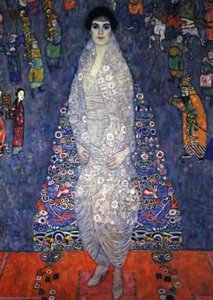
The portraiture of this period also showcased an incredible range of psychological exploration. Beyond the gilded figures of the Secession, artists delved into the nuances of character, using light and shadow to reveal the inner lives of their subjects. These portraits often possessed a quiet dignity, capturing moments of introspection that felt both timeless and intensely personal. The ability to transition from the grand, decorative scale of public commissions to the delicate intimacy of a private study demonstrates the incredible versatility of the Austrian masters.
This diversity of subject matter—from the sweeping vistas of the countryside to the focused gaze of a sitter—reflects a culture that was deeply engaged with both its environment and its humanity. It was an art movement that refused to be pigeonholed, constantly evolving to capture the multifaceted nature of the human experience in a period of unprecedented change.
Curating a Legacy: Integrating Austrian Masterpieces into Modern Interiors
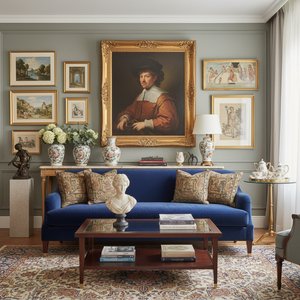
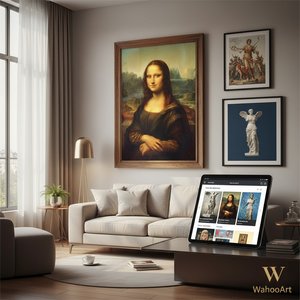
Bringing the essence of Austrian art into a contemporary living space is an exercise in sophisticated curation. The enduring appeal of these works lies in their ability to act as both focal points and atmospheric enhancers. A large-scale reproduction of a Klimt masterpiece, with its rich textures and commanding presence, can anchor a room, providing a sense of historical depth and luxury that modern minimalism often lacks.
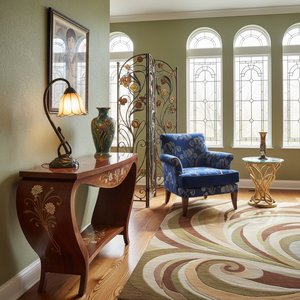
When integrating such iconic pieces, the key is to balance the intensity of the artwork with the surrounding decor. The intricate patterns of the Viennese Secession pair exquisitely with clean-lined, modern furniture, creating a dialogue between historical opulence and contemporary simplicity. For those looking to create a more cohesive aesthetic, utilizing elements from the art itself—such as gold accents, deep jewel tones, or organic motifs—can help weave the painting into the very fabric of the room.
Whether through a single, breathtaking oil painting or a multi-panel arrangement that spans a wide wall, these works offer an opportunity to transform a house into a gallery of personal expression. By honoring the legacy of the Austrian masters, we do more than decorate; we curate an environment of timeless elegance and intellectual stimulation.
At ArtsDot.com, we are dedicated to preserving this legacy by making fine art accessible to collectors worldwide. Our master artists specialize in creating authentic, hand-painted oil reproductions that capture the true soul, texture, and brushwork of these historical treasures. From custom commissions that reimagine your personal memories in the style of the masters to museum-quality pieces for grand architectural spaces, we provide a bridge between the glories of the past and the homes of the present.