
The Divine Narrative: Understanding the Power of Mythological Themes
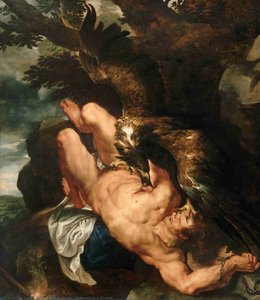
To gaze upon a mythological masterpiece is to engage in a dialogue with the primordial psyche of humanity. These works are far more than mere illustrations of ancient fables; they are profound explorations of the human condition, distilled into the language of gods and monsters. For the true art enthusiast, mythology serves as an eternal lexicon where every lightning bolt from Zeus or golden apple from Hera carries a weight of symbolic significance that transcends time. The power of these narratives lies in their ability to personify abstract concepts—love, jealousy, fate, and heroism—rendering the intangible into something visceral and visible.
When we contemplate these themes, we are not merely observing history, but participating in a continuous cultural lineage. The myths provide a structured way for artists to explore the extremes of emotion and the complexities of morality. Through the depiction of divine intervention or tragic hubris, painters invite us to reflect on our own vulnerabilities and triumphs. This resonance is why mythological art remains a cornerstone of the Western canon, offering a depth of meaning that continues to capturing the imagination of collectors and scholars alike.
Celestial Encounters: Exploring the Drama of Greek and Roman Deities
The drama inherent in classical mythology finds its most breathtaking expression in the depiction of celestial encounters. There is an undeniable tension in scenes where the mortal and the divine collide, a moment of profound transformation that artists have sought to capture for centuries. Consider the captivating allure of Alecos Fassianos’ Zeus & Danae, where the vibrant colors and masterful technique evoke the very essence of a divine visitation. Such works do not merely tell a story; they immerse the viewer in the atmospheric intensity of a myth in motion.
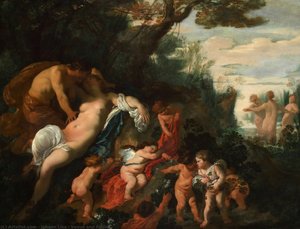
This sense of drama is further amplified through the exploration of more intimate or chaotic mythological moments. In Mathieu Le Nain’s Bacchus & Ariadne, we witness the rich, Baroque-inspired detail that brings the revelry and heartbreak of the gods to life. Similarly, Charles Haslewood Shannon’s Hermes & Bacchus utilizes a Venetian-inspired style to bestow a sense of timeless beauty upon the infant god. These encounters—whether they be the tender protection of a deity or the sweeping scale of an Olympian conflict—rely on the artist's ability to balance the epic with the intimate, creating a window into a world where the boundaries between heaven and earth are perpetually blurred.
Technique and Transcendence: How Artistry Animates Ancient Legends
The transcendence of mythological art is inextricably linked to the technical mastery of the artist. It is through the meticulous application of medium that a flat canvas acquires the breath of life. The use of impasto, where thick, tactile brushstrokes create a three-dimensional texture, allows light to dance across the surface, mimicking the shimmering divinity of the subjects. When an artist applies multiple layers of oil paint, they are building more than just color; they are constructing depth, shadow, and a sense of physical presence that a mere print can never replicate.
Beyond texture, the chemistry of the materials plays a vital role in preserving this transcendence. The use of premium pigments with high lightfastness ensures that the brilliance of a golden chariot or the deep azure of a Mediterranean sea remains undimmed by the passage of decades. Techniques such as the application of Damar varnish protect the work from the elements, ensuring that the artist's original vision—the subtle glint in a goddess's eye or the soft glow of an aura—remains as potent for future generations as it was upon its first completion. It is this marriage of academic excellence and material science that allows mythological art to achieve its legendary status.
From Marble to Oil: The Evolution of Mythical Representation Through the Ages
The journey of mythological representation is a fascinating evolution from the permanence of stone to the fluidity of oil. In the ancient Greek tradition, the foundation was laid by the monumental achievements of sculpture and architecture, such as Phidias' iconic works and the architectural perfection of the Parthenon. These marble forms established the idealized proportions and heroic physiques that would become the standard for Western beauty, providing a physical blueprint for all who followed.
As art progressed through the Renaissance and into the Baroque and beyond, the medium shifted toward the expressive potential of painting. While sculpture offered a static, eternal perfection, oil painting introduced the element of time and atmosphere. Artists could now manipulate light, shadow, and movement to suggest the fleeting nature of a mythic moment. This evolution allowed for a greater range of emotional nuance, moving from the stoic grandeur of classical sculpture to the lush, emotive landscapes and dramatic chiaroscuro of later eras. Each era did not replace the last but rather added a new layer of complexity to our visual understanding of the legends.
Curating the Eternal: Integrating Mythological Masterpieces into Modern Interiors
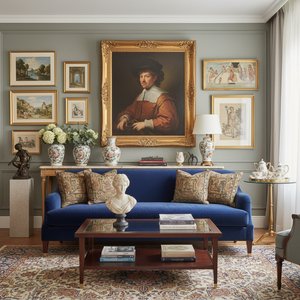
Integrating these timeless legends into a contemporary living space requires a sophisticated approach to curation. A mythological masterpiece serves as a powerful focal point, capable of anchoring an entire room with its historical weight and narrative depth. For the modern collector, the challenge lies in balancing the grandeur of such works with the aesthetics of modern design. One might choose a large-format mural or a multi-panel set painting to create a sweeping, architectural impact across a wide wall, effectively turning a hallway or staircase into a gallery of ancient wonders.
The key to successful integration is an appreciation for color and composition. Whether one is drawn to the light-drenched, impressionistic qualities of a landscape or the bold, dramatic tones of a Baroque scene, the art should harmonize with the existing palette while providing a compelling contrast. By treating mythological art not as a relic of the past, but as a living element of the present, one can create an environment that is both intellectually stimulating and aesthetically profound. It is an invitation to live surrounded by the echoes of greatness, ensuring that the legends of old continue to inspire the spaces of today.
At ArtsDot.com, we specialize in preserving this legacy of human creativity. From hand-painted oil reproductions that capture every tactile brushstroke to museum-quality Giclée prints, our mission is to make the world's most captivating masterpieces accessible to discerning collectors worldwide. Whether you seek a custom commission to transform a personal memory into a classical masterpiece or require expert consultation to curate your next collection, our academy-trained artists and dedicated specialists are here to guide your journey through art history.