
The Canvas of Civilization: Art as a Vessel for Collective Memory
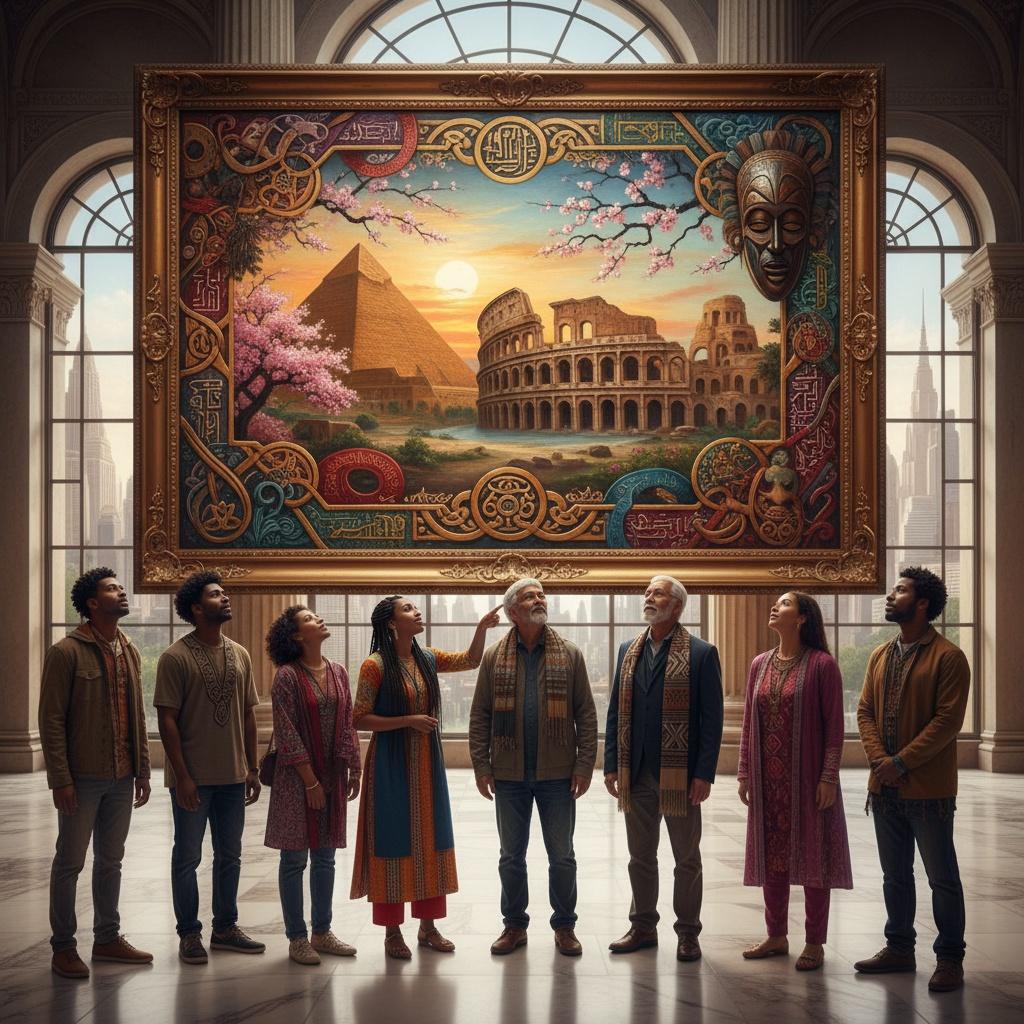
To gaze upon a masterpiece is to engage in a silent dialogue with the ghosts of antiquity. Art has never been merely an aesthetic pursuit; it is the profound, enduring vessel through which humanity preserves its collective memory. When we observe the sweeping landscapes of the Old Masters or the intimate portraits of bygone eras, we are not simply viewing pigment on canvas, but witnessing the heartbeat of civilizations long passed. These works serve as a temporal bridge, anchoring our fleeting modern existence to the foundational stories of our ancestors.
Every brushstroke carries the weight of historical significance, acting as a repository for the triumphs, tragedies, and spiritual aspirations of a people. Through the meticulous preservation of these visual narratives, we ensure that the essence of human experience remains accessible across centuries. The ability to revisit these moments—to feel the texture of a 17th-century oil painting or the delicate precision of a classical sketch—allows us to maintain a sense of continuity in an ever-changing world. In this way, fine art functions as the ultimate archive, protecting the soul of culture from the erosive forces of time.
Visual Narratives: Decoding Cultural Heritage through Portraiture and Landscape
The power of art lies in its ability to communicate what words often fail to capture. Through portraiture and landscape, artists have historically encoded the very DNA of cultural heritage. A portrait is rarely just a likeness; it is a complex study of status, lineage, and identity. Consider the intricate detail found in works such as Karl Bodmer’s An Assiniboine Indian & Yankton Sioux, where the meticulous rendering of beadwork and traditional attire provides an invaluable ethnographic record of Native American culture. Here, the artist does not merely paint a person; they document a way of life, preserving the dignity and intricate artistry of a specific historical moment.
Similarly, landscapes offer a window into the relationship between humanity and the earth. Whether it is the serene, calligraphic studies found in the Museum of Soy Sauce Art that evoke the tranquil essence of Japanese tradition, or the architectural grandeur captured in sand sculptures of the historic town of Hoi An, landscapes define our sense of place. These vistas do more than depict geography; they embody the spirit of a region, reflecting the light, atmosphere, and architectural heritage that shape a community's identity. By decoding these visual cues, we gain a deeper understanding of how different cultures perceive their environment and their place within the natural order.
The Alchemy of Tradition: Preserving Indigenous and Regional Identities in Fine Art
Cultural identity is often forged in the crucible of regional tradition, where local materials and ancestral techniques create a unique artistic language. This alchemy of tradition is perhaps most vibrantly expressed through folk art and regional movements. In regions like Oaxaca, the Secretariat of Culture works tirelessly to champion the vibrant Mexican folk art traditions that define the area's soul. Such efforts are vital, as they protect the localized symbols and craftsmanship that distinguish one culture from another in a globalized era.
This preservation is not merely about looking backward; it is about fostering a living heritage. When artists utilize indigenous motifs or regional pigments, they reinforce the boundaries of their cultural narrative. The strength of these identities lies in their ability to resist homogenization. By celebrating the specific—the unique textures, the local color palettes, and the ancestral methods—fine art ensures that the diverse tapestry of human culture remains rich, textured, and profoundly distinct.
From Calligraphy to Color: The Sensory Language of Global Artistic Legacies
The language of art is sensory, spoken through the rhythm of lines and the emotional resonance of color. Across the globe, different cultures have developed unique aesthetic grammars that evoke specific emotional responses. In East Asian traditions, the fluid, disciplined motion of calligraphy serves as a meditative practice, where the weight of the ink conveys both character and spirit. This rhythmic precision creates a sense of balance and serenity that is deeply embedded in the cultural psyche.
Modernity and Continuity: Reimagining Historical Masterpieces for the Contemporary Soul
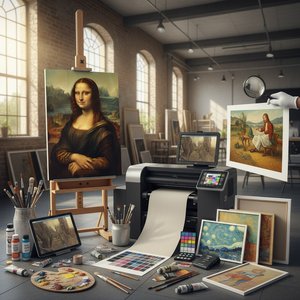
As we navigate the complexities of the 21st century, the relevance of classical art remains undiminished. We do not merely observe history; we interact with it, reimagining its themes to suit our contemporary sensibilities. The modern collector often seeks a dialogue between the old and the new, finding ways to integrate the grandeur of the past into the architecture of the present. This is achieved through the thoughtful curation of reproductions that honor the original's spirit while breathing new life into modern spaces.
The continuity of art is found in our ability to transform and adapt. From the digital reconstruction of photos into Cubist or Surrealist masterpieces to the large-scale installation of museum-grade murals, the essence of the "Master" remains a guiding light. By bringing these timeless aesthetics into our homes and galleries, we do more than decorate; we participate in the ongoing story of human civilization. We ensure that the profound beauty and cultural wisdom contained within these masterpieces continue to inspire, educate, and connect us to the eternal thread of human creativity.
Discover the intersection of history and artistry with ArtsDot.com. From bespoke oil reproductions to museum-quality Giclée prints, we bring the world's most profound cultural legacies into your personal collection.