The Silent Dialogue: Reading as a Gateway to Introspection
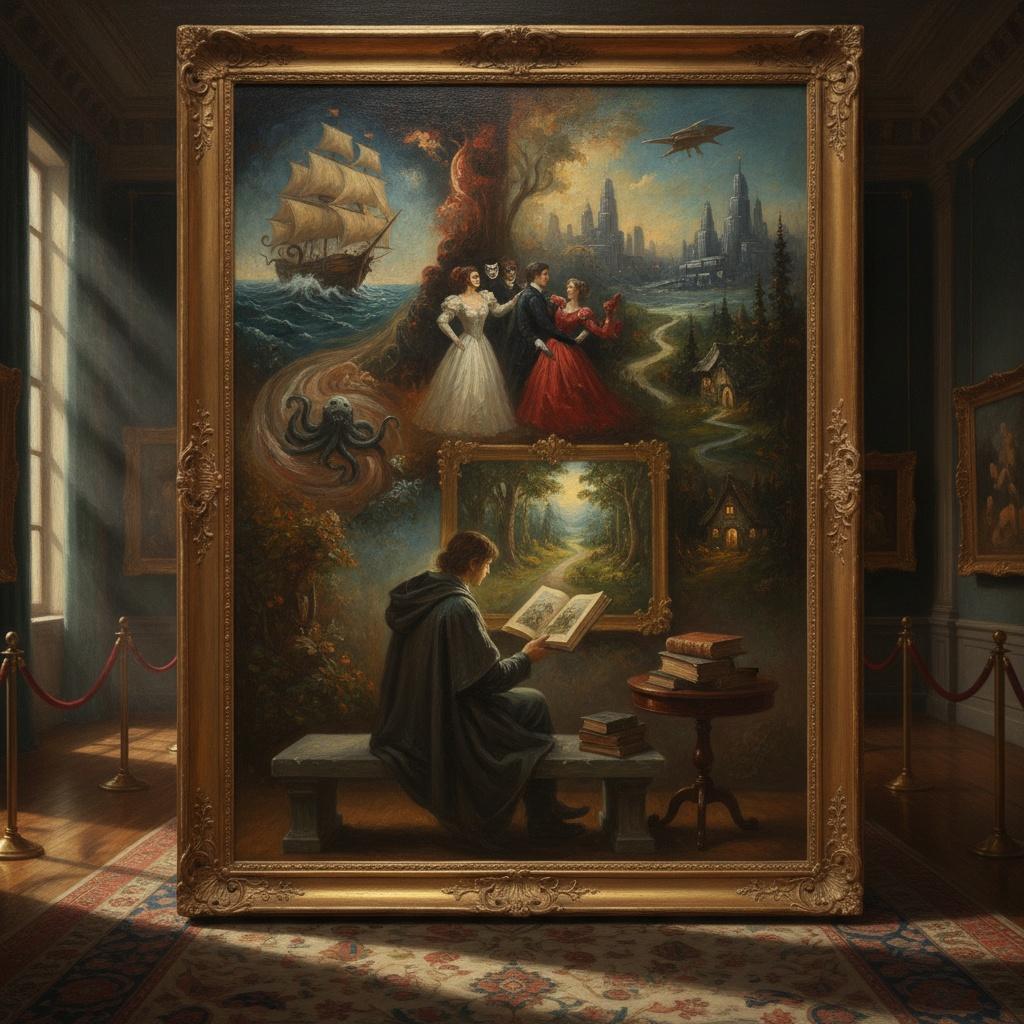
To witness a figure lost in the pages of a book is to observe a profound departure from the physical world. In the realm of fine art, the act of reading serves as more than a mere pastime; it is a visual metaphor for the soul’s journey inward. When an artist captures a subject immersed in literature, they are documenting a moment of sacred solitude, where the boundaries between the reader and the written word begin to dissolve. This silent dialogue, occurring within the quietude of the mind, allows the viewer to contemplate the depths of human consciousness and the transformative power of narrative.
The beauty of such depictions lies in their ability to evoke empathy. We do not merely see a person holding a book; we sense the weight of the ideas being absorbed, the tension of a unfolding plot, and the stillness required to commune with history or poetry. This introspective quality transforms a simple portrait into a philosophical inquiry, inviting us to reflect on our own intellectual and spiritual pursuits. Through the deliberate use of composition and gaze, master painters guide us into this sanctuary of thought, making the act of reading an invitation to shared contemplation.
Domestic Tranquility: The Impressionist Capture of Quiet Moments
As we transition from the philosophical to the sensory, the Impressionist movement offers perhaps our most tender explorations of literary repose. For the Impressionists, the magic of reading was inseparable from the ephemeral dance of light and atmosphere within the domestic sphere. They sought to capture the fleeting essence of a quiet afternoon, where the sun filters through a window to illuminate the edge of a page or the soft fabric of a gown.
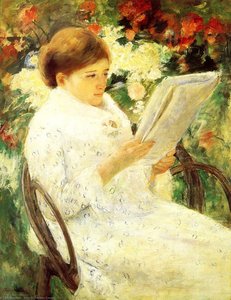
Consider the works that celebrate the intimacy of the home, such as Jean-Edouard Vuillard’s Madame Vuillard Reading the Newspaper. In this Post-Impressionist gem, the focus is not on the news itself, but on the atmosphere of domestic tranquility and the rich, layered colors that envelop the subject. Similarly, Pierre-Auguste Renoir’s exquisite depictions, such as A Girl Reading, utilize soft, light-drenched brushstrokes to create a sense of warmth and gentle movement. In these paintings, the book becomes an anchor of stillness amidst the shifting patterns of light and shadow, proving that the most profound stories are often found in the quietest corners of our lives.
Narrative Authority: Wisdom and Scripture in Neo-Classical Masterpieces
While the Impressionists focused on the sensory atmosphere, the Neo-Classical era utilized the act of reading to convey weight, authority, and moral gravity. In this tradition, literature—particularly sacred or historical text—is used to establish a sense of profound wisdom and the transmission of legacy. The subject is often depicted not in casual repose, but in a state of intense, almost monumental, engagement with the written word.
A quintessential example of this narrative power can be found in John Singleton Copley’s Samuel Reading to Eli the Judgments of God Upon Eli's House. This 1780 masterpiece employs a rigorous, disciplined technique to capture a moment of immense spiritual consequence. Here, reading is an act of proclamation and a vessel for divine truth. The composition directs our attention to the gravity of the message being delivered, using the physical presence of the text to ground the drama in historical and religious reality. In such works, the book is no longer just a personal companion; it is a monumental instrument of fate and authority.
The Tactile Page: Exploring Texture and Light in Literary Portraits
Beyond the subject matter lies the technical brilliance required to render the physical reality of reading. To truly capture the magic of literature, an artist must master the interplay between the tactile nature of paper and the ethereal quality of light. The texture of a weathered parchment, the crispness of a new leaf, or the way a thumb rests against a heavy binding all contribute to the sensory depth of the painting.
< p>Masterful painters utilize techniques such as impasto to create visible brushstrokes that lend a three-dimensional quality to the scene. This tactile approach allows the viewer to almost feel the weight of the volume being held. When light hits the surface of an oil painting, it creates a tonal range far deeper than any print could achieve, allowing for the subtle gradations of shadow that define the contours of a page or the contemplative expression on a reader's face. It is through this meticulous attention to material and light that the ephemeral moment of reading is rendered permanent and palpable.From Ink to Dramatization: Preserving the Magic of Literature through Custom Commissions
The enduring allure of these literary scenes inspires a modern desire to bring such timelessness into our own contemporary spaces. The bridge between historical mastery and modern living is found in the art of the custom reproduction. For the discerning enthusiast, the ability to commission a work that echoes the grandeur of the Old Masters allows for a personalized connection to art history.
Whether it is transforming a personal photograph into an Impressionist-style study or reimagining a modern moment through the lens of Neo-Classical drama, the possibilities are as vast as literature itself. Through the careful application of traditional oil painting techniques on cotton canvas, these bespoke works preserve the soul of the original era. By celebrating the intersection of personal narrative and historical technique, we ensure that the magic of reading—and the profound beauty of the art that depicts it—continues to inspire generations to come.
At ArtsDot.com, we are dedicated to making this level of fine art accessible to collectors worldwide. From hand-painted oil reproductions that capture every delicate brushstroke to custom commissions that allow you to "remix" history, our mission is to preserve human creativity for a modern audience. Whether you seek a museum-quality masterpiece or a personalized tribute to your own cherished memories, our master artists bring the timeless tales of canvas to life.