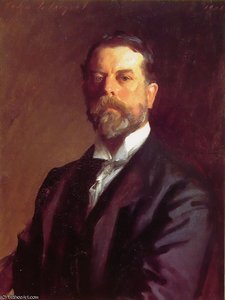
The Essence of Victorian Realism: A Study in Precision and Emotion
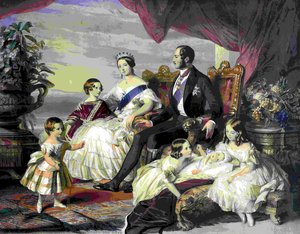
To step into the world of Victorian Realism is to enter a realm where time slows, allowing the observer to linger upon the profound intimacy of a single moment. Unlike the fleeting impressions of later movements, the Realist masters of the 19th century sought something far more enduring: the truth of the human condition, rendered with an almost devotional precision. This era was not merely about the replication of sight, but the translation of soul. In every brushstroke, there exists a quiet tension between the observable world and the emotional resonance held within it.
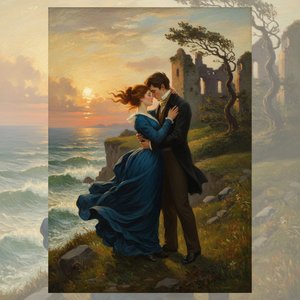
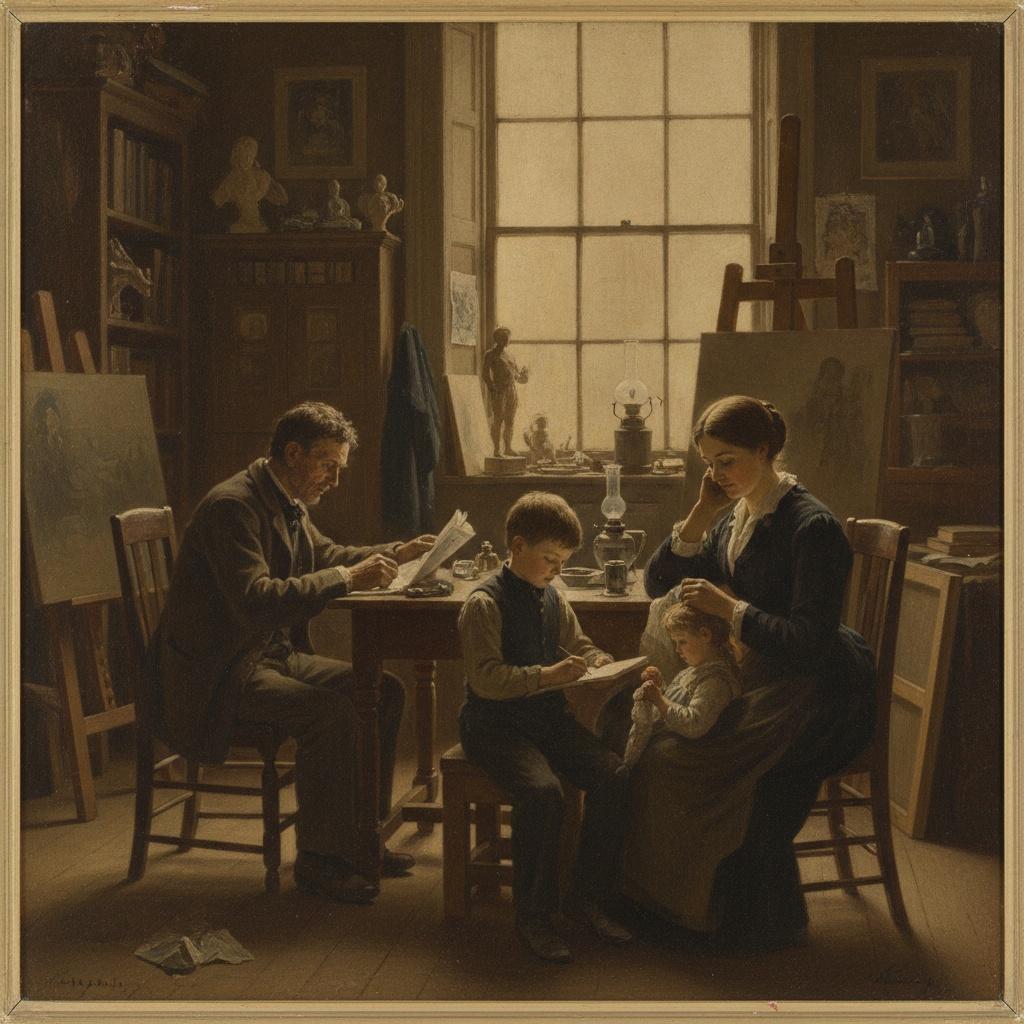
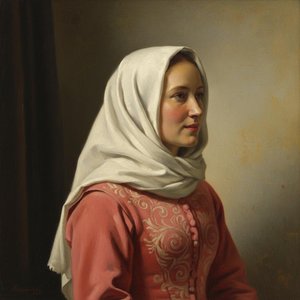
The movement emerged as a sophisticated response to a rapidly changing industrial landscape, offering a sanctuary of stillness and meticulous observation. Whether capturing the tender instruction of 'A Music Lesson' by Frank Huddlestone Potter or the quiet, youthful innocence found in Friedrich Ritter von Amerling’s Fisherboy, these artists utilized a heightened sense of clarity to evoke empathy. It was an era where the texture of a silk gown or the soft light hitting a porcelain cheek served as conduits for deeper narratives of class, domesticity, and romantic longing.
Ultimately, Victorian Realism invites us to look closer. It demands that we move beyond the surface to find the heartbeat beneath the pigment. By celebrating the tangible details of life—the weight of a shadow, the glint of an eye—these painters created a visual language that remains as emotionally potent today as it was during its golden age.
Mastering the Details: The Technical Brilliance of 19th-Century Oil Painting
The technical prowess displayed by Victorian Realists represents perhaps the pinnacle of academic excellence in Western art history. This was a period defined by rigorous training, where artists mastered the complex chemistry of oils and pigments to achieve unparalleled depth. The brilliance of their work lies in the controlled application of light and the sophisticated use of glazing techniques, which allowed for a luminous quality that seems to emanative from within the canvas itself.
Consider the breathtaking intricacy found in the works of Jean-Louis Ernest Meissonier. His ability to render textures—the heavy velvet of a cloak, the cold sheen of polished armor, or the delicate lace of a collar—requires a level of discipline that borders on the miraculous. This precision is not merely decorative; it serves to ground the subject in a palpable reality. When an artist masters the subtle gradations of tone, they provide the viewer with a sense of physical presence, making the painted scene feel less like a window and much more like a doorway into another era.
Furthermore, the use of chiaroscuro—the dramatic interplay between light and dark—was employed to direct the eye and instill a sense of theatrical gravity. This mastery of value allowed painters to sculpt forms out of the darkness, creating a three-dimensional illusion that breathes life into every subject. It is this very technical rigor that allows these masterpieces to retain their impact across centuries, offering a tactile richness that modern digital reproductions can only hope to honor through careful, hand-painted recreation.
Narrative Grandeur: From Romanticized Landscapes to Dramatic Historical Scenes
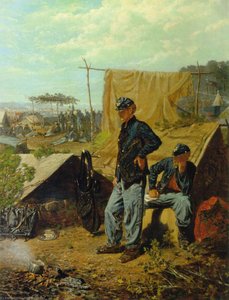
Beyond the intimate portrait lies the grand narrative, where Victorian Realism expands its scope to encompass the epic and the dramatic. The era was deeply enamored with storytelling, often utilizing historical, biblical, or literary themes to explore larger moral and social truths. These paintings functioned as much more than mere decoration; they were visual chronicles of heroism, tragedy, and the human struggle against destiny.
In works such as Robert William Buss’s 'Scene from Don Juan', we witness the height of dramatic tension, where the composition itself mirrors the operatic intensity of the subject matter. Similarly, the genre of historical painting allowed artists to evoke a sense of national pride and collective memory. Even in more contemporary settings, such as the dynamic movement captured in Adrian Jones’ 'The Soaring', there is an underlying narrative of power and grace that speaks to the Victorian fascination with strength and controlled energy.
This penchant for storytelling extended into the natural world through the works of artists like William Woodruff Gibbs. His ability to weave narrative into rural landscapes and wildlife paintings provided a sense of continuity between the human experience and the untamed beauty of nature. Whether through a grand historical tableau or a quiet pastoral scene, the Victorian Realists ensured that every painting held a story worth telling, inviting the collector to become a participant in the unfolding drama.
The Texture of Elegance: Capturing Light, Fabric, and Human Spirit
One cannot discuss the allure of Victorian art without addressing its sensory richness. The era’s artists possessed an almost supernatural ability to manipulate the appearance of different materials, creating a feast for the eyes. There is a profound tactile quality to these works; one can almost feel the weight of heavy brocade, the coolness of marble, or the softness of a petal through the mere observation of the paint.
This focus on texture was intrinsically linked to the depiction of light. The way light interacts with various surfaces—the specular highlight on a glass carafe, the diffused glow on human skin, or the way shadows pool in the folds of heavy drapery—is what gives these paintings their lifelike vitality. This interplay creates a sense of atmosphere that is both opulent and intimate. It is an elegance that does not shout, but rather whispers through the subtle nuances of light and shadow.
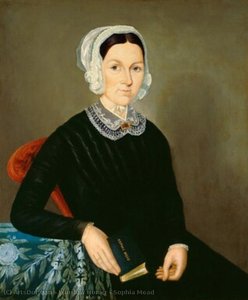
Yet, beneath this layer of material splendor lies the true triumph: the capture of the human spirit. The textures of the external world are always secondary to the emotional texture of the subjects themselves. A furrowed brow, a gentle tilt of the head, or a distant, melancholic gaze provides the psychological depth that elevates these works from mere technical exercises to profound explorations of character. It is this marriage of material splendor and spiritual depth that defines the true luxury of the Victorian aesthetic.
Curating a Legacy: Integrating Victorian Masterpieces into Modern Luxury Interiors
For the discerning collector and the sophisticated interior designer, integrating Victorian Realism into a contemporary space offers an unparalleled opportunity to infuse a room with heritage and soul. In an age often characterized by minimalism and transient trends, the presence of a high-quality, hand-painted reproduction provides a much-needed anchor of permanence and prestige. These works bring a sense of established history and intellectual depth to even the most modern architectural settings.
When curating such a collection, one must consider the dialogue between the old and the new. A large-scale, multi-panel reproduction of a dramatic historical scene can serve as a breathtaking focal point in a grand hallway or a formal dining room, commanding attention and sparking conversation. Conversely, smaller, more intimate portraits can be used to create personal sanctuaries within a bedroom or study, offering a sense of quiet companionship.
The key to successful integration lies in the authenticity of the medium. To truly honor the legacy of these masters, one should seek out works that retain the tactile essence of the original—the visible brushstrokes and the rich, layered depth of oil on canvas. At ArtsDot.com, we specialize in preserving this very essence. Our master artists, holding degrees from prestigious academies, meticulously recreate these historical treasures using traditional techniques. Whether you are looking to transform a personal photograph into a period-correct masterpiece or seeking to commission a large-scale mural that evokes the grandeur of a bygone era, our service ensures that your collection is not merely decorated, but curated with the utmost respect for art history and unparalleled craftsmanship.