
Introduction
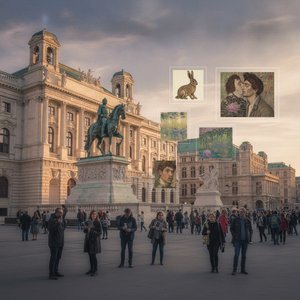
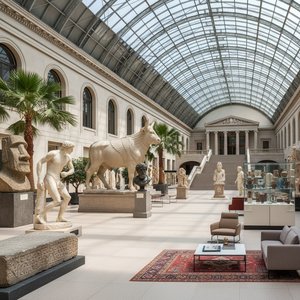
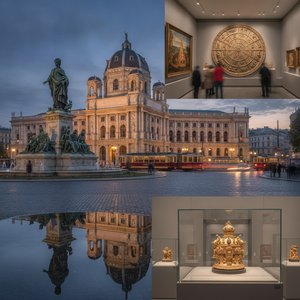
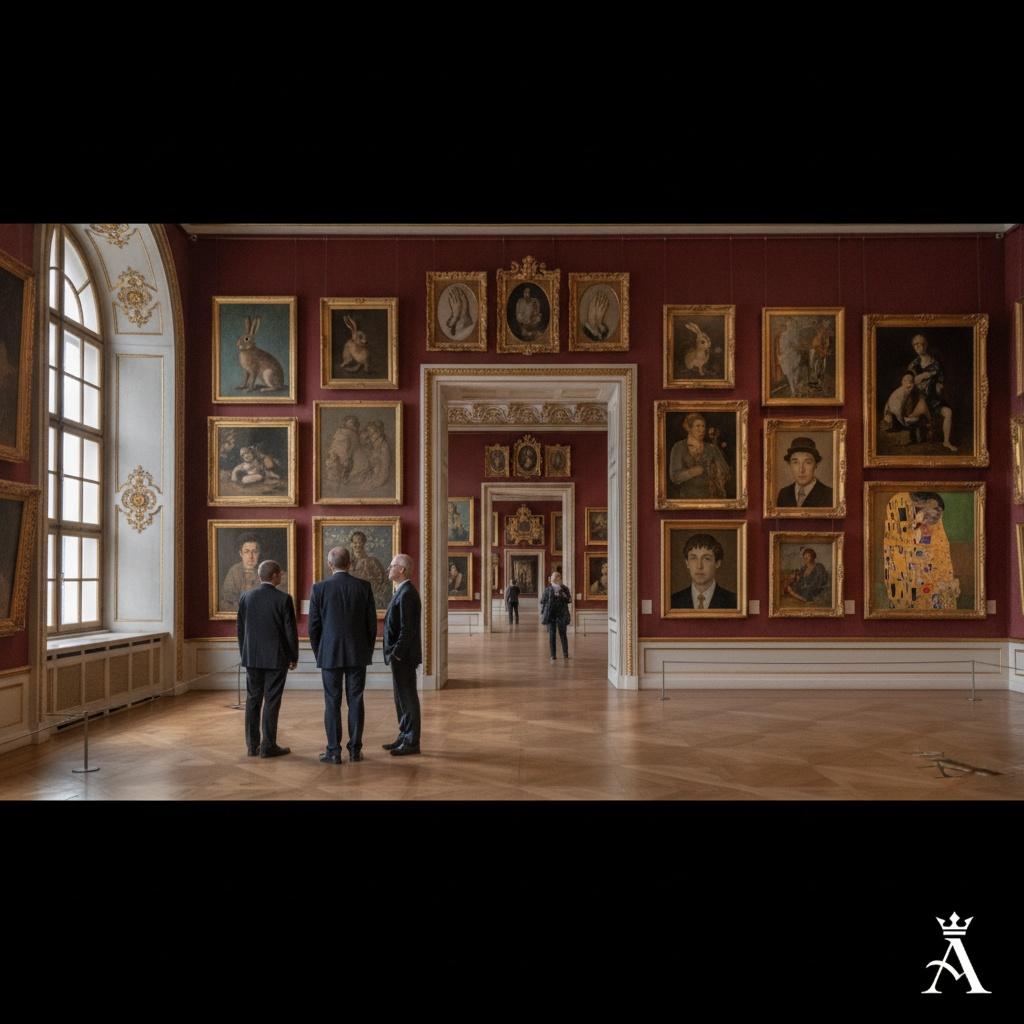
To step into the Albertina is to walk through the very heartbeat of Vienna, where the echoes of the Habsburg dynasty meet the sharp, avant-garde pulse of the modern era. Nestled within the historic Innere Stadt, this museum is far more than a mere repository of objects; it is a living chronicle of human expression, housed in a palace that transitioned from a ducal residence to a sanctuary for the world’s most exquisite graphic arts. As you wander through its halls, you feel the profound dialogue between the heavy, Baroque grandeur of its foundations and the striking, titanium-clad modernity of Hans Hollein’s iconic roof—a visual metaphor for an institution that honors the meticulous precision of the Old Masters while embracing the bold experimentation of the contemporary age.
The soul of the Albertina resides in its staggering depth: a curated universe containing over one million prints and sixty-five thousand drawings. Here, the delicate, ink-stained lines of Albrecht Dürer possess the same gravity as the sweeping, emotive strokes of later masters. These works remain profoundly meaningful today because they capture the raw essence of observation—the way light hits a landscape, the tension in a portrait, or the architectural rhythm of a city. They are not merely relics of the past; they are windows into the shared human experience, offering a sense of continuity that transcends centuries.
\In the following selection, we invite you to embark on a curated journey through this magnificent collection. We have distilled the vastness of the Albertina into twenty-five essential masterpieces —works that define the museum's prestige and continue to inspire awe in every collector and connoisseur who enters its gates. Prepare to encounter the pinnacle of graphic mastery, where every line tells a story of devotion, innovation, and eternal beauty.
Young Hare - Albrecht Dürer
 Young Hare - Albrecht Dürer
What story does the quiet, focused intensity of Young Hare by Albrecht Dürer tell us about the dawn of the Northern Renaissance? Created in 1502, this watercolor and gouache masterpiece emerged from a period where artists began to move away from heavy religious allegory toward a profound, scientific devotion to the natural world. Within the prestigious halls of the Albertina, Vienna, this work stands as a pinnacle of precision, breaking ground by elevating a simple creature to the status of high art through unparalleled anatomical accuracy.
Dürer’s mastery is felt in every tactile detail—the delicate, bristling strands of fur, the soft ochre tones, and the alert, liquid gaze of the hare. For the modern collector seeking a curated escape, this piece offers more than mere decoration; it brings a sense of tranquil, historical intimacy into the home. Its muted palette of earth tones and russets provides a sophisticated anchor for contemporary interiors, inviting a moment of stillness and a deep connection to the fleeting beauty of nature.
Head of a Man in Profile (Illustration for - Gustav Klimt
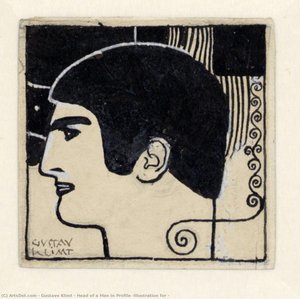 Head of a Man in Profile (Illustration for - Gustav Klimt
In the monochrome depths of Head of a Man in Profile by Gustav Klimt, a profound sense of stark, contemplative shadow dominates the composition, setting a mood of quiet introspection and intellectual gravity. Far from the gilded opulence of his later works, this 1898 masterpiece utilizes a disciplined palette of black, white, and muted greys to strip away the superficial, revealing the raw, geometric essence of early Modernism. This mastery of contrast—where bold, angular lines meet soft, graphic voids—is precisely why it remains a cornerstone among the top 25 artworks in Albertina, Vienna .
For the discerning interior designer or collector, this piece offers an unparalleled blueprint for sophisticated, minimalist curation. The artwork’s rhythmic use of negative space and sharp silhouettes can be used to anchor a modern living space, providing a focal point that introduces architectural strength without overwhelming the room's light. Integrating such a graphic, monochromatic work allows one to curate an atmosphere of timeless elegance , perfect for a study or a high-end gallery wall where the interplay of light and shadow is intended to evoke deep, silent thought.
Portrait of a Lady with Cape and Hat - Gustav Klimt
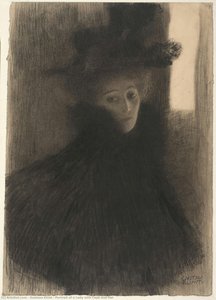 Portrait of a Lady with Cape and Hat - Gustav Klimt
What if I told you that Portrait of a Lady with Cape and Hat by Gustav Klimt was born from a moment of profound rebellion—a stroke of defiance against the stifling academic traditions of fin-de-siècle Vienna? This masterpiece is far more than a mere likeness; it is a manifesto of the Viennese Secession, capturing the delicate tension between public elegance and private introspection. Its inclusion in the top 25 artworks at the Albertina is not merely earned; it is demanded by its transformative power to redefine beauty through light and ornamentation.
As you gaze upon the shimmering textures and the precursor to his legendary golden era, you feel the pulse of an era where art became a sensory experience. At ArtsDot.com, we believe such evocative energy should not be confined to museum walls. Imagine this symphony of gold and grace anchoring your own sanctuary, turning a quiet corner into a sophisticated statement of historical depth. Whether through a hand-painted oil reproduction or a museum-quality print, bringing Klimt into your home ensures that your space remains not just a room, but a living testament to artistic soul.
Lamentation (recto), c. 1530 - Michelangelo Buonarroti
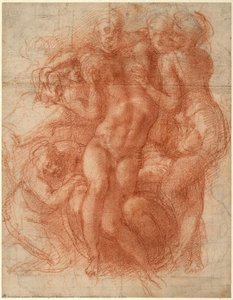 Lamentation (recto), c. 1530 - Michelangelo Buonarroti
To encounter Lamentation (recto), c. 1530 by Michelangelo Buonarroti is to stand before a raw, visceral fragment of the Renaissance soul. As one of the most profound highlights among the top 25 artworks in Albertina, Vienna, this red chalk study transcends mere preparatory sketching; it is an intimate window into the master’s ability to translate human agony into anatomical precision. The work captures a haunting embrace, where the weight of mortality is felt through every strained muscle and slumped shoulder rendered in delicate, sanguine tones.
Michelangelo utilizes the medium to create a rhythmic, almost musical movement of grief, using broken lines that suggest both the fragility of life and the enduring strength of devotion. For the discerning collector or designer, such a piece represents the pinnacle of emotional intelligence in art. Its stark, dramatic composition and monochromatic intensity offer a timeless aesthetic that resonates deeply within sophisticated, modern interiors, providing a focal point of profound historical gravity and unparalleled sculptural beauty.
The Lonely Ones - Edvard Munch
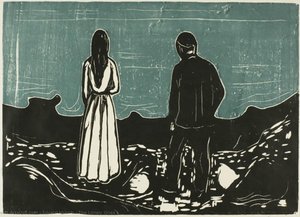 The Lonely Ones - Edvard Munch
In The Lonely Ones by Edvard Munch, the eye is immediately drawn to the visceral, swirling textures of the monochrome landscape. The heavy, rhythmic brushstrokes do not merely depict a nighttime seascape; they physically manifest the psychological turbulence of the fin de siècle . Each stroke of grey and black carries a weight of existential dread, capturing the profound isolation of two figures standing together yet emotionally adrift. This mastery of Expressionist technique—where texture serves as a conduit for human anxiety—is precisely why this work remains a cornerstone of the Albertina’s collection in Vienna.
At ArtsDot.com, we believe such emotional depth should never be lost to the flatness of a mere print. Our artisans specialize in recreating this tactile, three-dimensional quality through hand-painted oil reproductions. By utilizing thick impasto techniques on fine cotton canvas, we ensure that the haunting movement and sculptural shadows of Munch’s original are preserved, allowing connoisseurs to bring the profound, atmospheric soul of the Albertina into their own private galleries.
Young Woman in a Shirt, 1918 - Amedeo Clemente Modigliani
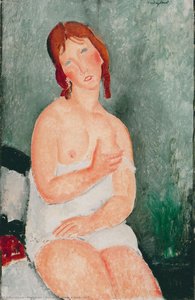 Young Woman in a Shirt, 1918 - Amedeo Clemente Modigliani
In the quiet, evocative realm of Amedeo Modigliani’s 1918 masterpiece, Young Woman in a Shirt , we encounter a profound meditation on the human soul, captured through a lens of melancholic grace. As part of our curated selection of the top 25 artworks in the Albertina, Vienna, this piece stands as an irreplaceable emblem of Expressionism. Modigliani achieves a breathtaking synthesis of styles, weaving the geometric influence of African sculpture with the elegant, elongated contours reminiscent of the Italian Renaissance. The palette—a sophisticated arrangement of muted greens, soft pinks, and warm creams—creates a luminous, velvety atmosphere that invites deep introspection.
At ArtsDot.com, we believe in democratizing such profound beauty, making the transcendent power of the Old Masters and modern icons accessible to all. This painting’s ability to evoke stillness and psychological depth makes it a timeless inspiration for the modern collector. Whether you are designing a serene private study or a sophisticated corporate suite, you can bring this transformative presence into your own space through our museum-quality, hand-painted oil reproductions, ensuring the hauntingly beautiful legacy of Modigliani resides within your personal gallery.
View of Arkona with Rising Moon, c. 1805-1806 - Caspar David Friedrich
 View of Arkona with Rising Moon, c. 1805-1806 - Caspar David Friedrich
To encounter View of Arkona with Rising Moon by Caspar David Friedrich is to stand at the threshold of the sublime, witnessing a masterwork that defines the very soul of German Romanticism. As one of the most profound highlights within the Albertina, Vienna’s collection, this painting transcends mere landscape; it is a spiritual encounter captured in oil.
Friedrich utilizes a hauntingly beautiful palette of bruised twilight hues and muted greys to evoke a sense of infinite solitude. The composition, anchored by the ethereal glow of a solitary crescent moon, invites a deep, melancholic contemplation of nature’s vastness against the fragility of human existence. For the discerning collector or interior designer, this piece offers more than aesthetic prestige; it brings a transformative atmosphere of stillness and intellectual depth to any refined space. Its ability to command a room through light and shadow makes it an essential reference point for anyone studying the top 25 artworks in Albertina, Vienna. It remains a timeless testament to the power of the unseen, bridging the gap between the tangible world and the eternal.
Self-Portrait with Eyelid Pulled Down, 1910 - Egon Schiele
 Self-Portrait with Eyelid Pulled Down, 1910 - Egon Schiele
In Egon Schiele’s 1910 masterpiece, Self-Portrait with Eyelid Pulled Down , the viewer is immediately arrested by the raw, frenetic energy of his watercolor technique. The materiality of the work lies in its unsettlingly expressive lines and the way the muted ochres and somber grays bleed into the paper, creating a visceral sense of psychological decay. Schiele eschews traditional polish, opting instead for loose washes and a jagged, almost frantic application of pigment that mirrors his own internal turbulence. This piece stands as a cornerstone of the top 25 artworks in Albertina, Vienna, because it transcends mere portraiture to become an excavation of the human soul.
At ArtsDot.com, we believe such profound emotional depth should not be confined to museum walls. Our artisans specialize in capturing this exact tactile, three-dimensional quality—recreating Schiele’s distinctive, nervous brushwork and the layered intensity of his pigments on 100% cotton canvas. We bring the haunting, expressive spirit of Austrian Expressionism into your private collection through hand-painted oil reproductions that honor the artist's original, unyielding touch.
Desidia (Sloth), 1557 - Pieter Bruegel the Elder
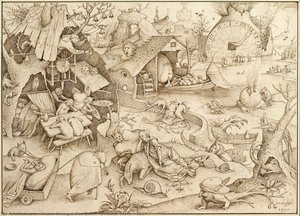 Desidia (Sloth), 1557 - Pieter Bruegel the Elder
To encounter Pieter Bruegel the Elder’s 1557 masterpiece, Desidia (Sloth), is to step into a world where time itself seems to thicken and stall. Before the eye even registers the sprawling Northern Renaissance landscape, one feels a heavy, atmospheric stillness—a psychological weight that permeates the air. Bruevel does not merely paint a scene; he captures the profound inertia of the human soul caught in the trap of aimlessness.
As one of the most significant works within the Albertina’s prestigious collection, this painting earns its place among the top 25 artworks in Vienna through its staggering narrative complexity. Bruegel populates his landscape with a labyrinth of figures—from weary travelers to sluggish animals—each serving as a moralizing symbol of spiritual stagnation. The meticulous detail, from the texture of distant vessels to the subtle expressions of lethargy, invites endless contemplation. For the discerning collector or interior designer, bringing such a profound piece into a modern space offers more than mere decoration; it provides a window into the human condition, transforming a room into a sanctuary for deep, intellectual reflection and historical connection.
The Prophet Jonah before the Walls of Nineveh, c. 1655 - Rembrandt van Rijn
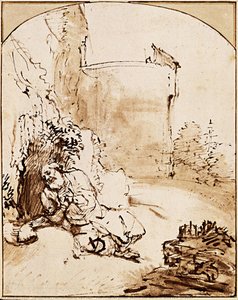 The Prophet Jonah before the Walls of Nineveh, c. 1655 - Rembrandt van Rijn
In the presence of The Prophet Jonah before the Walls of Nineveh, c. 1655 by Rembrandt van Rijn, one encounters a profound silence, as if time itself has paused to witness a soul in mid-reckoning. This masterpiece is rightfully enshrined among the top 25 artworks in Albertina, Vienna, because it transcends biblical narrative to touch upon the universal weight of human contemplation. Rembrandt’s unparalleled mastery of chiaroscuro breathes life into the scene; light does not merely illuminate, it sculpts, carving Jonah’s bowed form out of an enveloping, velvety darkness.
The textures are palpable—the heavy, weathered drapery and the rugged stone of the monumental walls seem to vibrate with emotional depth. The interplay of deep shadows and golden, selective highlights creates a dramatic atmosphere that invites the viewer into a state of quiet introspection. For the discerning collector or interior designer, integrating a high-quality oil reproduction of this work into a modern space brings an unparalleled sense of prestige and gravity. It serves as a sophisticated anchor, offering a window into the Dutch Golden Age that inspires both calm and intellectual depth in any curated environment.
Two Nude Studies of a Man Storming Forward and Another Turning to the Right (verso), c. 1504 - Michelangelo Buonarroti
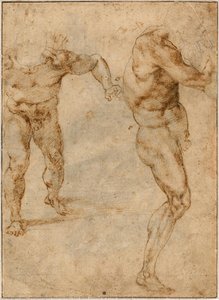 Two Nude Studies of a Man Storming Forward and Another Turning to the Right (verso), c. 1504 - Michelangelo Buonarroti
To encounter “Two Nude Studies of a Man Storming Forward and Another Turning to the Right (verso)” is to witness the very heartbeat of the High Renaissance captured in chalk. Michelangelo Buonarroti, a titan of human expression, presents here more than mere preparatory sketches; he offers an intimate glimpse into the raw, muscular vitality that defines his legendary genius. Within this profound work from 1504, one feels the kinetic energy of a figure surging with unstoppable momentum, contrasted by the graceful, twisting torsion of another.
As one of the most significant pieces among the top 2 supers in 'Albertina, Vienna' , these studies demonstrate an unparalleled command over anatomical precision and light. The delicate interplay of shadow and sinew creates a sculptural depth that breathes life into the paper, making the figures appear to emerge from the void. For the sophisticated collector or designer, such works represent the pinnacle of classical grandeur. Integrating the spirit of Michelangelo’s mastery into a refined space brings an aura of timelessness and intellectual depth, echoing a legacy of strength, movement, and the eternal beauty of the human form.
Standing Pair of Lovers, Seen from the Side - Gustav Klimt
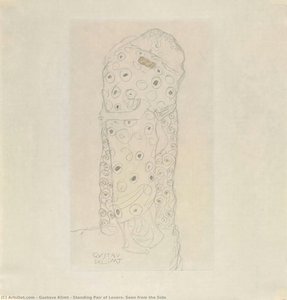 Standing Pair of Lovers, Seen from the Side - Gustav Klimt
In the quiet corners of the Albertina, Gustav Klimt’s Standing Pair of Lovers, Seen from the Side offers a profound, whispered intimacy that stands as a cornerstone of the museum's collection. While many recognize Klimt for the opulent gold leaf of his more famous works, this 1908 masterpiece reveals a more vulnerable, rhythmic side of the Vienna Secession master. Executed with graphite, red pencil, and delicate traces of gold, the drawing captures a couple in a tender embrace, their forms enveloped by a celestial dance of floating circular motifs.
These swirling patterns do more than decorate; they create a pulsing, psychological atmosphere that suggests the very energy of affection. For the modern collector or interior designer, this piece serves as an exquisite study in minimalist elegance and symbolic depth. Its fluid lines and soft, tonal palette offer a timeless inspiration for creating serene, sophisticated spaces that prioritize emotional resonance and the beauty of understated luxury. It remains an essential highlight among the top 25 artworks in Albertina, Vienna, embodying the eternal dance between human connection and abstract grace.
Head of an Old Man; Seated Female Nude, Seen from Behind; Detail of a Female Torso (Studies for the first version of - Gustav Klimt
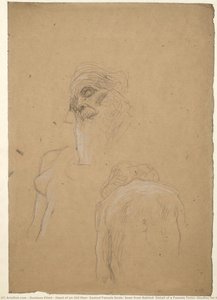 Head of an Old Man; Seated Female Nude, Seen from Behind; Detail of a Female Torso (Studies for the first version of - Gustav Klimt
In the delicate interplay of graphite and shadow within Head of an Old Man; Seated Female Nude, Seen from Behind; Detail of a Female Torso by Gustav Klimt, one discovers the profound mastery of chiaroscuro that defines his preparatory genius. The light does not merely illuminate; it sculptes, emerging from the paper to trace the weathered contours of the elderly face and the soft, vulnerable curves of the female form. This rhythmic movement between deep, velvety shadows and sudden, luminous highlights creates a psychological tension that was revolutionary for 1901, securing its place among the top 25 artworks in Albertina, Vienna.
Klimt’s ability to manipulate light to evoke themes of aging and innocence offers a masterclass in emotional depth. When captured through a high-quality oil reproduction, this sophisticated use of tonal range brings a sense of quiet drama and intellectual luxury to any curated space. The way the light dances across the textured brushstrokes of a faithful recreation can transform a contemporary wall into a window of Symbolist introspection, adding an unmistakable layer of prestige and historical soul to your interior design.
St. Anna (Portrait of Agnes Dürer) - Albrecht Dürer
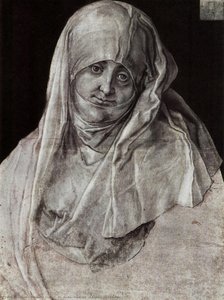 St. Anna (Portrait of Agnes Dürer) - Albrecht Dürer
In the masterful 1519 work St. Anna (Portrait of Agnes Dürer) , Albrecht Dürer achieves a profound dialogue between shadow and spirit. The brilliance of this piece lies not in vibrant pigment, but in his command of a grayscale chiaroscuro that sculpts form from the darkness. By utilizing meticulous hatching and cross-hatching, Dürer directs a soft, diffused light across the subject, illuminating the delicate textures of Agnes’s veil while allowing deep, velvety blacks to recede into an atmosphere of quiet reverence. This sophisticated interplay of light and shadow does more than define a face; it captures a moment of profound spiritual introspection, securing its place among the top 25 artworks in Albertina, Vienna .
For the discerning collector, bringing this level of tonal depth into a modern interior offers an unparalleled sense of luxury. Whether rendered as a hand-painted oil reproduction or a museum-quality print, the dramatic contrast and monochromatic elegance of Dürer’s technique provide a timeless focal point, adding architectural weight and a contemplative soul to any contemporary wall.
Preliminary Drawing for - Gustav Klimt
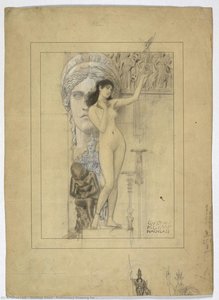 Preliminary Drawing for - Gustav Klimt
To possess a study of the Preliminary Drawing for The Kiss by Gustav Klimt is to invest in the very genesis of an artistic legacy, capturing the raw, intellectual pulse that precedes one of history's most profound masterpieces. As a cornerstone of the Albertina’s collection in Vienna, this 1889 work serves as a vital roadmap of Klimt’s transition into the Symbolist movement, offering collectors a rare glimpse into his psychological depth and technical evolution.
The drawing breathes with an intimate, voyeuristic energy; through delicate lines, we witness a nude figure contemplating her reflection, surrounded by figures that whisper of intimacy and introspection. The subtle presence of a bird—a recurring motif of transcendence—foreshadows the opulent gold-leaf textures of his later Golden Phase. For the discerning decorator or curator, this piece represents more than historical significance; its ethereal composition and mastery of line provide an unparalleled aesthetic authority. Integrating a high-quality oil reproduction of such a seminal work into a modern luxury interior brings a sense of timeless prestige and sophisticated narrative, echoing the grandeur of the Habsburg era within a contemporary architectural context.
Three Standing Men in Wide Cloaks Turned to the Left (recto), c. 1492-1496 - Michelangelo Buonarroti
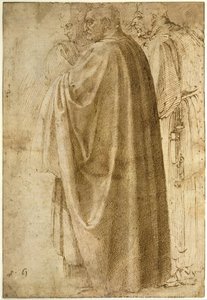 Three Standing Men in Wide Cloaks Turned to the Left (recto), c. 1492-1496 - Michelangelo Buonarroti
In the delicate interplay of ink and paper within Three Standing Men in Wide Cloaks Turned to the Left (recto), c. 1492-1496 by Michelangelo Buonarroti , one discovers the very heartbeat of the High Renaissance. To observe this work is to witness a sculptor’s soul working through the medium of drawing; the way Michelangelo utilizes subtle shading and precise anatomical modeling creates a profound sense of weight and volume. The heavy, cascading folds of the cloaks are not merely lines on a page, but architectural feats of light and shadow that suggest the presence of marble beneath the pigment.
This mastery of form places it firmly among the top 25 artworks in Albertina, Vienna , representing a pivotal moment where humanism met anatomical perfection. At ArtsDot.com, we strive to honor this sculptural depth. Our master artists specialize in capturing such tactile, three-dimensional qualities through hand-painted oil reproductions, ensuring that the vigorous energy and physical presence of Michelangelo’s vision are preserved with authentic texture and soul for your private collection.
Standing Female Nude (Study for - Gustav Klimt
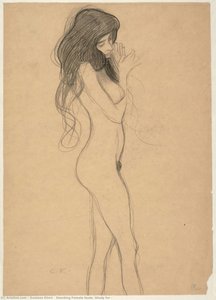 Standing Female Nude (Study for - Gustav Klimt
In the Standing Female Nude (Study for) by Gustav Klimt, the eye is immediately drawn to the profound intimacy of the charcoal strokes. Before the world knew his gilded, opulent canvases, Klimt mastered the raw, tactile language of light and shadow on paper. The texture of the charcoal creates a soft, smoky gradation across the subject's skin, where every deliberate line captures a sense of vulnerability and quiet grace. This 1901 study is a cornerstone among the top 25 artworks in 'Albertina, Vienna' because it reveals the skeletal strength of his Symbolist vision—the precise, organic contours that would later support his legendary ornamentation.
At ArtsDot.com, we believe such profound artistry deserves to be felt, not just seen. We specialize in translating this delicate interplay of light and charcoal texture into hand-painted oil reproductions . Our master artists use meticulous layering and authentic brushwork to preserve the three-dimensional soul and emotional depth of Klimt’s sketches, allowing collectors to bring the prestigious atmosphere of the Albertina into their own private sanctuaries.
The Combat of Diomedes,1776 - Jacques-Louis David
 The Combat of Diomedes,1776 - Jacques-Louis David
In The Combat of Diomedes , the brushwork of Jacques-Louis David reveals a pivotal moment in art history, where the soft, decorative flourishes of the Rococo era begin to yield to the muscular, disciplined precision of Neoclassicism. To stand before this work is to witness the palpable tension in the paint; David utilizes a controlled technique that sculpts anatomical forms with almost sculptural clarity, using dramatic chiaroscuro to pull the heroic struggle from the shadows. The composition is a masterclass in kinetic energy, where every diagonal stroke directs the eye through the chaos of battle toward the divine intervention of hovering angels.
As one of the top 25 artworks in the Albertina, Vienna, this piece captures the very soul of pre-revolutionary fervor. At ArtsDot.com, we strive to honor this profound materiality. Our master artists meticulously recreate David’s precise hand and the dramatic light of his era, ensuring that our hand-painted oil reproductions preserve the tactile, three-dimensional depth and emotional gravity of the original masterpiece for your private collection.
Half-Length Figure of an Apostle, 1493-1495 - Leonardo da Vinci
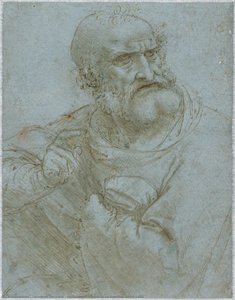 Half-Length Figure of an Apostle, 1493-1495 - Leonardo da Vinci
To encounter the Half-Length Figure of an Apostle by Leonardo da Vinci within the hallowed halls of the Albertina is to witness the very moment light meets soul. This masterpiece, executed during Da Vinci’s transformative Florentine period (1493–1495), transcends mere portraiture; it is a profound psychological study that invites the viewer into a state of quiet contemplation. Through his legendary sfumato technique, Leonardo dissolves harsh outlines into ethereal, smoky transitions, allowing the figure to emerge from the shadows with an almost luminous, spiritual presence.
The apostle’s gaze—intense, searching, and deeply human—captures the essence of Renaissance humanism, blending religious devotion with an intellectual curiosity that defines the era. Every subtle glaze on the canvas contributes to a sense of breathing life, where the soft play of light across the bearded features evokes a sense of divine serenity. For the discerning collector, this work represents more than a highlight of the Albertina’s collection; it is an invitation to transform your own environment into a gallery of the soul, surrounded by the enduring genius of the Renaissance.
Pietà, c.1530-1536 - Michelangelo Buonarroti
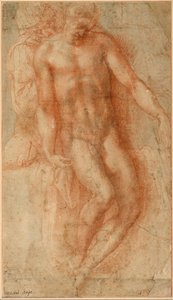 Pietà, c.1530-1536 - Michelangelo Buonarroti
To encounter Michelangelo Buonarroti’s Pietà within the Albertina is to stand at the precipice of the divine. This profound masterpiece, sculpted between 1530 and 1536, transcends the cold rigidity of Carrara marble to reveal a moment of devastating intimacy: the Virgin Mary cradling the lifeless body of Christ. It is not merely a depiction of grief, but a sublime meditation on the intersection of human suffering and eternal grace.
Michelangelo’s technical virtuosity is breathtaking; he manipulates light and shadow to breathe life into stone, creating an illusion of soft, yielding flesh and cascading, rhythmic drapery that defies the medium's density. The anatomical precision captures the heavy, limp weight of Christ against the serene, youthful strength of Mary, embodying the very pinnacle of High Renaissance idealism. For those who seek to surround themselves with genius, this work serves as a reminder that true art does not merely decorate a space—it transforms it into a gallery of the soul, echoing the monumental legacy found within the halls of Vienna's finest collections.
Two Studies of a Child Being Held (Studies for - Gustav Klimt
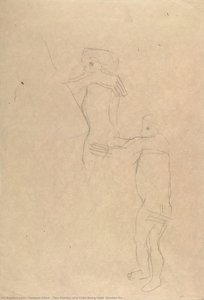 Two Studies of a Child Being Held (Studies for - Gustav Klimt
In the quiet, contemplative corners of the Albertina, Gustav Klimt’s Two Studies of a Child Being Held offers a profound window into the artist's soul. Created in 1904, these black chalk studies serve as a poignant precursor to his more opulent, gilded masterpieces, revealing the raw, tender intimacy that lies beneath his famous decorative layers. Here, away from the shimmering gold leaf, we encounter a master of line and shadow, using subtle tonal variations to capture the delicate weight of a child in a mother's arms.
The sketches possess an almost tactile vulnerability; one can sense the warmth of the skin and the protective curve of the embrace through Klimt’s meticulous shading. These works are not merely preparatory drawings but emotional meditations on motherhood, protection, and the cyclical nature of life. For the discerning collector, witnessing such a stripped-back moment of Symbolist genius is transformative—it allows one to experience the foundational heartbeat of Art Nouveau, turning a simple observation into a profound connection with the eternal dance of human affection.
Floating Female Figure with One Arm Hanging and One Outstretched (Study for the oil sketch of - Gustav Klimt
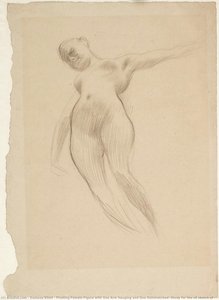 Floating Female Figure with One Arm Hanging and One Outstretched (Study for the oil sketch of - Gustav Klimt
What if I told you that Floating Female Figure with One Arm Hanging and One Outstretched by Gustav Klimt was born from a moment of profound creative tension—a delicate struggle between the physical and the ethereal? This exquisite study, created as a precursor to his controversial Medicine sketch, captures the very pulse of Viennese Symbolism. In this work, we witness the genesis of a master; the soft chalk strokes do not merely depict a nude figure suspended in mid-air, but rather trace the boundary between vulnerability and aspiration.
Its inclusion in the top 25 artworks of the Albertina is essential, as it reveals the raw, unadorned soul behind Klimt’s later, opulent gold-leaf masterpieces. The interplay of light and shadow within this drawing redefines how we perceive movement and emotion on a static surface. At ArtsDot.com, we believe such profound moments of artistic discovery should not be confined to museum walls. By bringing a high-quality reproduction of this Klimt study into your home or professional suite, you transform your environment into a sanctuary of intellectual depth, turning every glance into a silent dialogue with history.
Profile of Clothed Pregnant Woman with Her Face Turned to the Viewer (Study for - Gustav Klimt
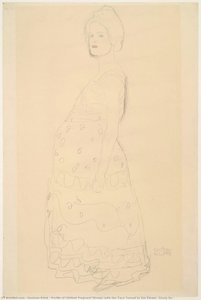 Profile of Clothed Pregnant Woman with Her Face Turned to the Viewer (Study for - Gustav Klimt
To stand before Gustav Klimt’s Profile of Clothed Pregnant Woman with Her Face Turned to the Viewer is to encounter a profound, hushed moment of human vulnerability. There is an immediate, heavy stillness in the air, as if the breath of the viewer must be held to respect the sanctity of the scene. This exquisite study, a precursor to his monumental Hope II , captures the delicate tension between the blossoming of new life and the inevitable shadow of mortality.
Klimt masterfully weaves together the ethereal and the earthly; through meticulous graphite strokes, he renders clothing that echoes the geometric splendor of Byzantine mosaics, yet the subject's direct, searching gaze pulls us into a deeply personal encounter with the mysteries of existence. As one of the top 25 artworks in the Albertina, Vienna, this piece transcends mere sketching to become a philosophical meditation on the cycle of life. It serves as a poignant reminder that even in our modern, fast-paced lives, there is immense power in embracing moments of quiet contemplation and the timeless beauty of the human spirit.
Two Silver Birches, the Front One Fallen, c. 1629 - Nicolas Poussin
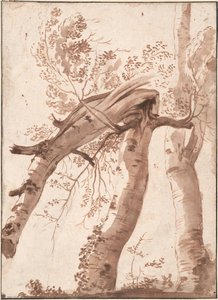 Two Silver Birches, the Front One Fallen, c. 1629 - Nicolas Poussin
In Two Silver Birches, the Front One Fallen , Nicolas Poussin orchestrates a breathtaking dialogue between light and shadow that serves as a cornerstone of the Albertina’s collection. The illumination appears to emanate from an unseen, ethereal source, bathing the silvery bark of the upright birch in a luminous, almost translucent glow. This masterful use of soft, diffused light contrasts sharply with the heavy, shadowed presence of the fallen tree, creating a profound chiaroscuro that elevates a simple landscape into a meditative study on mortality and the passage of time. It is this precise command of atmosphere that has secured its place among the top 25 artworks in Albertina, Vienna.
For the discerning collector, bringing such a sophisticated interplay of light into a private residence offers more than mere decoration; it introduces a sense of quiet drama and intellectual depth. When reproduced as a hand-painted oil on canvas, the subtle textures of Poussin’s light-drenched branches add an incomparable layer of luxury and soulful resonance to any contemporary wall, transforming a modern space into a sanctuary of classical beauty.
Mother and Child - Gustav Klimt
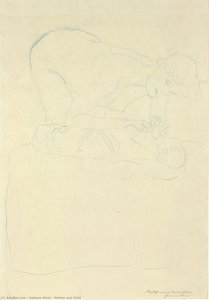 Mother and Child - Gustav Klimt
In Gustav Klimt’s 1908 masterpiece, Mother and Child , the play of light transcends simple illumination to become a profound emotional language. The way light dances across the reclining figure, catching the subtle textures of skin and the imagined shimmer of gold, creates a soft, ethereal glow that seems to emanate from within the subjects themselves. This masterful command of luminosity—a hallmark of Klimt’s Golden Phase—transforms a tender moment of maternal intimacy into something divine and eternal. It is this ability to manipulate light to evoke both physical warmth and spiritual depth that secures its prestigious place among the top 25 artworks in Albertina, Vienna.
For the discerning collector, bringing such a work into a private residence offers more than mere decoration; it introduces a sense of luminous luxury. When reproduced as a hand-painted oil on canvas, the interplay of light and shadow gains a tactile dimension, where visible brushstrokes catch the ambient light of a room, adding unparalleled depth and a sophisticated, soulful atmosphere to any contemporary interior.
Conclusion
As the golden light of a Viennese sunset begins to fade over the Innere Stadt, leaving the titanium curves of the Albertina’s roof in soft shadow, one realizes that the masterpieces we have traversed are far more than mere relics of a Habsburg past. They are not silent, frozen artifacts behind glass; rather, they are living, breathing presences that continue to pulse with the same raw emotion and profound observation that moved their creators centuries ago. Whether it is the meticulous precision of a Dürer line or the dramatic tension held within a Baroque canvas, these works remain vital dialogues between the artist’s hand and our own contemporary souls.
To walk through this collection is to witness the enduring strength of human creativity—a legacy that refuses to be confined by time or geography. These strokes of pigment and ink possess a unique power to transcend the museum walls, finding new life within the intimate sanctuaries of our homes and the curated spaces of our lives. They remind us that beauty, when captured with such academic excellence and passion, becomes an eternal companion, shaping our perceptions and offering a sense of continuity in an ever-changing world.
As you depart from this storied palace, we invite you to carry this inspiration forward. Whether you seek to honor these historical giants through a bespoke oil reproduction or find a new connection through a modern reimagining, the journey of discovery never truly ends. We invite you to explore the full collection and continue your own intimate encounter with the timeless wonders of the Albertina.