The Life & Times: Blake’s London & Artistic Beginnings
 Wikipedia: William Blake
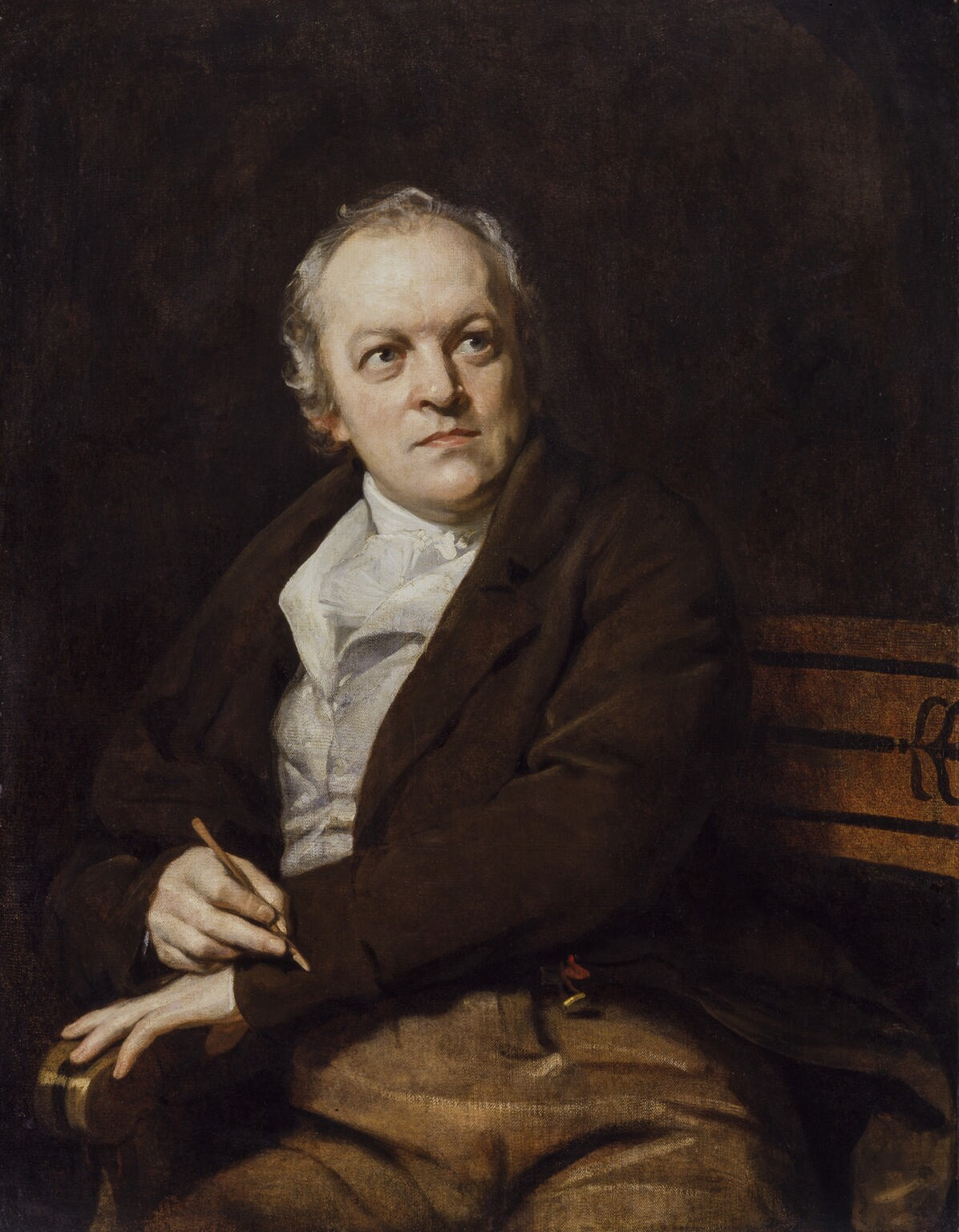
William Blake (28 November 1757 – 12 August 1827) was an English poet, painter, and printmaker. Largely unrecognised during his life, Blake has become a seminal figure in the history of the poetry and visual art of the Romantic Age. What he called hi...
William Blake, a name synonymous with visionary art and poetic rebellion, was born in 1757 into the bustling, often chaotic heart of London. This city, far from being merely a backdrop to his life, profoundly shaped his artistic sensibility. The son of a hosier, James Blake, and Catherine Wright, William’s early years were marked by an unconventional education – less formal schooling and more immersion in the world through observation and imagination. While his father recognized and nurtured his son's talent with drawing lessons, it was the mystical experiences reported throughout his childhood—visions of angels, divine faces pressed against windows—that truly ignited the flame of Blake’s unique artistic path. These weren’t fleeting moments but formative encounters that would permeate his entire oeuvre, setting him apart from contemporaries focused on empirical representation. His initial training as an engraver under James Basire provided a crucial technical foundation, yet it was within the confines of this traditional craft that Blake began to chafe against convention, seeking methods to express the intensely personal and often apocalyptic visions unfolding within his mind.
Illuminated Printing: A Revolutionary Technique
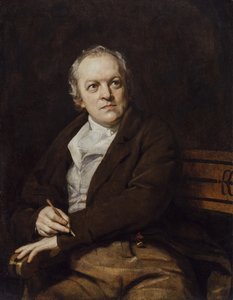 William Blake
Explore William Blake's visionary art & poetry (1757-1827). A Romantic icon known for mystical themes, illuminated printing, & works like 'The Tyger'. Discover his legacy!
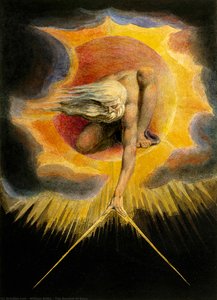
Blake’s most enduring legacy lies in his invention of illuminated printing – a process that seamlessly integrated text and image, poetry and art. Dissatisfied with conventional engraving methods, which he found limiting and constricting, Blake sought to create works where the word wasn't merely an accompaniment to the picture but an intrinsic part of it. He began by etching both text and designs onto copper plates, then inked and printed them together, hand-coloring each impression individually. This was not simply a technical innovation; it was a philosophical statement. By controlling every aspect of production—from the initial design to the final coloration—Blake ensured that his artistic vision remained uncompromised. Each print became a unique artifact, imbued with his personal touch and radiating an almost otherworldly energy. The Ancient of Days, for example, exemplifies this technique; the dynamic energy of the composition is heightened by the swirling lines and vibrant hues, creating a powerful visual representation of divine creation.
Symbolism & Mythology: Decoding Blake's Visionary World
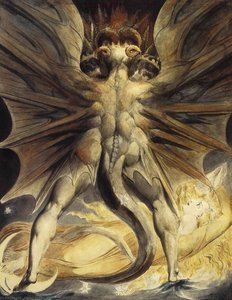 The Red Dragon and the Woman Clothed with the Sun
Explore William Blake’s ‘The Red Dragon & Woman Clothed in Sun’! A dramatic Romantic watercolor masterpiece brimming with symbolism & visionary art. Discover its rich history & captivating beauty.
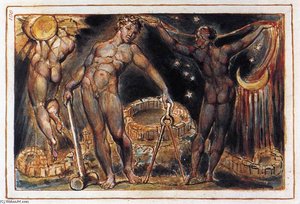
To truly understand William Blake’s art is to enter a complex and deeply personal symbolic universe. His works are not easily deciphered; they resist straightforward interpretation, demanding active engagement from the viewer. He constructed his own mythology, populated by figures like Urizen—representing reason and law—and Los—the embodiment of imagination and rebellion. These characters weren’t drawn from classical sources but sprung forth from Blake's inner world, reflecting his struggles with societal constraints, religious dogma, and the limitations of human perception. The Red Dragon and the Woman Clothed with the Sun, a dramatic watercolor masterpiece, is rife with such symbolism; the dragon represents the forces of oppression while the woman embodies spiritual freedom. Blake drew heavily on biblical themes but reinterpreted them through his own unique lens, often challenging conventional interpretations and offering radical new perspectives. His use of color was equally symbolic—red signifying passion and energy, blue representing spirituality and imagination.
Watercolor Mastery: Exploring Blake’s Delicate Palette
 The Enduring Appeal of Watercolor: History, Techniques & Contemporary Practice
Explore the captivating world of watercolor painting! Discover its rich history, essential techniques, influential artists, and collecting tips. A comprehensive guide for art enthusiasts.
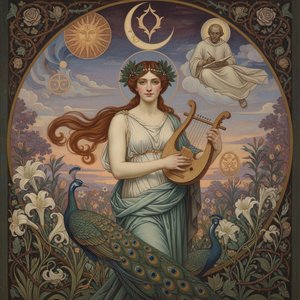
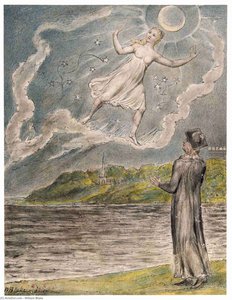
While renowned for his illuminated printing, William Blake was also a masterful watercolorist. He employed the medium with remarkable sensitivity and skill, achieving effects that were both delicate and intensely expressive. Unlike many of his contemporaries who favored precise detail, Blake embraced fluidity and spontaneity in his watercolors. His brushwork is often loose and gestural, creating a sense of movement and energy that perfectly complements the visionary subject matter. The watercolor technique allowed him to explore subtle gradations of color and light, imbuing his works with an ethereal quality. Hecate, for instance, showcases Blake’s ability to create atmosphere through washes of color and evocative forms. He wasn't merely depicting scenes; he was attempting to capture the essence of spiritual experiences, translating intangible emotions into tangible visual form.
Blake and Romanticism: Individuality, Nature & the Sublime
Romanticism (also known as the Romantic movement or Romantic era) was an artistic and intellectual movement that originated in Europe towards the end of the 18th century. The purpose of the movement was to advocate for the importance of subjectivity...
William Blake is often considered a pivotal figure in the Romantic movement, though his relationship with its tenets was complex. He shared the Romantics’ emphasis on individuality, imagination, and emotion as crucial components of human experience. However, he diverged from many of his contemporaries in his rejection of classical forms and his embrace of personal mythology. The Romantic reverence for nature is also evident in Blake's work, though it wasn’t a passive appreciation but rather an exploration of the spiritual forces inherent within the natural world. He sought to uncover the divine presence underlying all creation, believing that “the body of God” resided within human existence itself. His works often evoke a sense of the sublime—a feeling of awe and terror inspired by the vastness and power of nature and the universe. This pursuit of the transcendent, coupled with his unwavering commitment to artistic freedom, cemented Blake’s place as a true visionary.
Legacy & Influence: The Enduring Power of Blake’s Art
Largely unrecognised during his lifetime, William Blake has become one of the most celebrated figures in British art and literature. His influence can be seen across a wide range of artistic disciplines, from poetry and painting to music and philosophy. His rejection of convention, his embrace of imagination, and his exploration of spiritual themes continue to resonate with artists and audiences today. The power of his symbolism, the beauty of his watercolors, and the revolutionary nature of his illuminated printing have secured his place as a seminal figure in the history of art. ArtsDot offers exquisite handmade oil paintings and museum-quality prints that allow you to experience the brilliance of Blake’s vision firsthand, bringing these timeless masterpieces into your own home. Discover the enduring power of William Blake's art—a testament to the boundless potential of human creativity and the transformative power of imagination.