Aloysius Pikonganna: Echoes of the Alaskan Arctic
Aloysius Pikonganna (1909-1986) stands as a singular figure in Inupiaq art history, embodying not merely skill but a profound connection to his ancestral heritage. Born in Nome, Alaska—a town steeped in Inuit tradition and resilience—Pikonganna’s artistic journey unfolded against the backdrop of rapid Western encroachment upon Arctic lands.
- Early Life & Influences: Pikonganna's formative years were spent immersed in the rhythms of Inupiaq life, absorbing the lore passed down through generations. The harsh beauty of the Alaskan tundra—characterized by vast expanses of snow and ice punctuated by migrating caribou herds—served as an indelible inspiration for his artistic vision. While formal art training was scarce, Pikonganna honed his craft through observation and imitation of master Inuit artisans, inheriting a legacy of meticulous detail and symbolic representation.
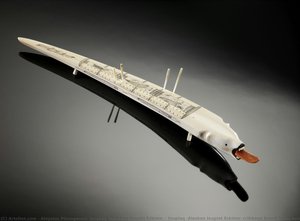
- The Art of Cribbage Boards & Carvings: Pikonganna’s fame rests primarily on his exquisitely crafted cribbage boards—objects that transcend mere gamesmanship to become visual narratives of Inupiaq cosmology. These boards are adorned with intricate carvings depicting polar bears, walruses, seals, and other animals emblematic of the Alaskan Arctic ecosystem. Each animal carries specific spiritual significance within Inuit belief systems, representing strength, abundance, and connection to the natural world.
- Technique & Style: Pikonganna’s technique was characterized by painstaking patience and mastery of wood carving tools. He utilized traditional methods passed down through his family, employing knives honed over decades to sculpt remarkably realistic figures from ivory tusks—a material readily available in Alaska due to the prevalence of walrus hunting.
- Recognition & Legacy: Pikonganna’s work gained international acclaim throughout the latter half of the 20th century. Museums showcased his cribbage boards and carvings, attracting considerable attention from collectors and scholars alike. His pieces achieved impressive auction prices, validating the enduring value of Inuit artistic expression and demonstrating its ability to communicate profound cultural ideas.
- Historical Significance: Aloysius Pikonganna’s art serves as a poignant reminder of a disappearing way of life—a testament to the resilience of Inupiaq culture in the face of modernization. His cribbage boards are not simply decorative objects; they are tangible embodiments of Inuit spirituality and storytelling, offering invaluable insights into the worldview of Alaska's indigenous peoples.