A Voice for Angola’s Soul: The Life and Legacy of Ana Paula Cristovão Lemos dos Santos
Born in the vibrant heart of Luanda, Angola, in 1963, Ana Paula Cristovão Lemos dos Santos possesses a life story that is inextricably woven into the very fabric of her nation’s history. Before she became a figure of international recognition as the First Lady of Angola, her early years were defined by a journey of grace and observation. Working as a fashion model and an air hostess aboard the Angolan presidential aircraft, she occupied a unique vantage point, witnessing the world from above and gaining a profound perspective on the shifting landscapes of her homeland. This period of her life, characterized by movement and visibility, laid the groundwork for a woman who would eventually learn to navigate both the heights of political influence and the deep, complex realities of the Angolan people.
Her intellectual development was marked by a rigorous pursuit of knowledge, driven by a desire to understand the legal and social structures that govern society. Through her studies at the National Institute of Education in Luanda and her subsequent law degree from the Faculty of Law of Agostinho Neto University, she cultivated an analytical mind and a sharp sense of justice. These academic foundations provided her with more than just professional credentials; they instilled in her a commitment to social advocacy that would later define her philanthropic endeavors. Her transition from the elegance of the fashion world to the disciplined halls of legal study mirrors the resilience and transformation that characterize the Angolan spirit itself.
Artistic Expression and the Power of Patronage
While often recognized for her political role during the presidency of José Eduardo dos Santos, Ana Paula’s contribution to the cultural landscape of Angola is found in her profound dedication to artistic patronage and social empowerment. She has acted as a vital bridge between the creative community and the resources necessary for growth, fostering an environment where Angolan talent can flourish. Her work through the Lwini Foundation serves as a testament to her belief in tangible, transformative action. By prioritizing support for the most vulnerable members of society—particularly women and children—she has utilized her platform to provide microcredit funds and essential resources that uplift rural communities and foster economic independence.
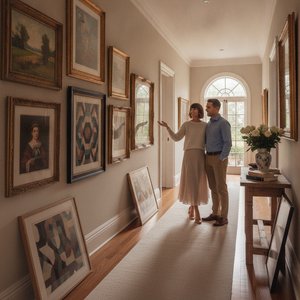
Her engagement with the arts is not merely passive; it is a deliberate effort to celebrate and preserve Angolan heritage. Through her collaboration with numerous artists and her support of exhibitions in Luanda, she has helped to cultivate a sense of cultural vibrancy and national pride. In her view, art is a catalyst for societal transformation, a medium through which the struggles and triumphs of a nation can be articulated and understood. Her patronage represents a crucial element in the preservation of Angolan identity, ensuring that the voices of local creators are heard both within the country and on the global stage.
Symbolism and the Language of Resilience
The essence of her artistic sensibility can be glimpsed in works like “Sem título” (Untitled), a piece that captures the emotional weight of her era. In this striking abstract painting, the use of bold red and white hues serves as a powerful metaphor for the resilience and strength found amidst adversity. The composition, characterized by its minimalist approach and textured canvas, invites viewers to contemplate the interplay of opposing forces—much like the political and social tensions that shaped Angola during her time in the public eye. The deliberate roughness of the technique mirrors the challenges faced by her people, turning the act of painting into a symbolic gesture of overcoming hardship.
Ultimately, the legacy of Ana Paula Cristovão Lemos dos Santos is one of profound impact that extends far beyond the boundaries of political office. Her life serves as a tapestry of diverse experiences—from the skies of presidential flights to the legal complexities of law and the compassionate work of foundation leadership. She remains a figure whose significance lies in her ability to blend the personal with the political, using her influence to champion the marginalized and to ensure that the soul of Angola continues to find expression through both social action and the enduring beauty of the arts.