A Life Rooted in Tradition
Born in the heart of Dakshin Dinajpur, India – a region steeped in ancient traditions and vibrant folklore – this artist’s journey is inextricably linked to the rich tapestry of Bengal's cultural heritage. The precise details of his birth remain somewhat elusive, shrouded in the oral histories passed down through generations of mask-makers, but it’s understood he emerged from a lineage deeply connected to the Gomira dance and the creation of ‘mukha,’ or wooden masks – objects revered as sacred representations within local communities.
Growing up amidst the rhythmic beats of the Gomira dance, a unique performance art form characterized by elaborate mask-wearing and storytelling, undoubtedly shaped his artistic sensibilities. The Gomira tradition, originating in the Rajbangshi community, is more than just entertainment; it’s a living embodiment of local deities and ancestral spirits, meticulously portrayed through these intricately carved wooden masks.
Early influences were deeply embedded within his family and village. He learned the craft not from formal instruction but through direct observation and apprenticeship – absorbing techniques passed down through countless generations of mask-makers in Dakshin Dinajpur. The materials themselves—primarily locally sourced wood—held symbolic significance, each type carrying its own resonance within the community’s beliefs.
The Art of the Mukha: Technique and Symbolism
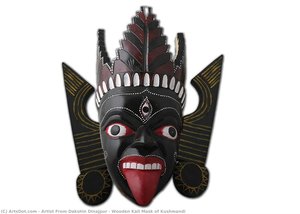
At the core of this artist's work lies the mastery of ‘mukha’ creation. This isn’t merely woodworking; it’s a profound act of artistic translation, transforming raw wood into vessels for spiritual representation. The process begins with careful selection of the wood – often teak or sal trees, chosen for their durability and grain patterns – followed by meticulous carving using hand tools. The artist's hands, guided by generations of knowledge, coax intricate details from the wood: stylized eyes that seem to hold ancient wisdom, delicately rendered mouths conveying stories of joy and sorrow, and elaborate headdresses adorned with feathers, beads, and other symbolic elements.
Each mask is imbued with meaning. The specific iconography – the choice of deities represented, the patterns carved into the wood – reflects local beliefs and traditions. Kali, a powerful goddess embodying both creation and destruction, is frequently depicted, alongside representations of Shiva, Durga, and other figures central to Bengal’s pantheon. The masks aren't simply decorative; they are conduits for connecting with the divine, facilitating rituals, and preserving cultural memory.
The artist’s skill extends beyond mere carving; he also employs a vibrant palette of acrylic paints to bring these wooden figures to life. These colors aren’t arbitrary; each hue carries symbolic weight, further enhancing the mask's spiritual significance. The meticulous layering of paint and the careful attention to detail demonstrate a deep understanding of both artistic technique and cultural context.
Banglanatak: A Catalyst for Revival
The artist’s work gained significant recognition through his association with Banglanatak dot com, a Kolkata-based social enterprise dedicated to preserving and promoting traditional crafts in West Bengal. Banglanatak played a pivotal role in revitalizing the Gomira dance tradition and providing sustainable livelihoods for artisans like this artist. The organization recognized the cultural value of these masks and worked to establish fair trade practices, ensuring that mask-makers received equitable compensation for their artistry.
Through Banglanatak’s initiatives, the artist's work began to reach a wider audience, both within India and internationally. The organization facilitated connections with galleries, museums, and collectors, elevating the status of ‘mukha’ masks from regional curiosities to recognized works of art.
Banglanatak’s approach wasn’t simply about economic empowerment; it was about fostering a sense of pride in cultural heritage. By providing training, market access, and support networks, Banglanatak helped mask-makers reclaim their artistic traditions and secure their future as custodians of Bengal's rich cultural legacy.
Legacy and Significance
The artist from Dakshin Dinajpur’s work represents more than just the creation of beautiful masks; it embodies a commitment to preserving a vital aspect of West Bengal’s cultural heritage. His dedication to traditional techniques, combined with his willingness to collaborate with organizations like Banglanatak dot com, has ensured that the art of ‘mukha’ mask-making continues to thrive.
His masks are not merely objects; they are windows into a world of ancient beliefs, captivating stories, and enduring traditions. They serve as powerful reminders of the importance of cultural preservation and the transformative power of artistic expression. As long as the Gomira dance continues to resonate with its rhythmic beats and vibrant masks, the artist’s legacy will endure.