Early Life & Artistic Formation: A Foundation in Italy
 Wikipedia: Nathaniel Dance-Holland
Sir Nathaniel Dance-Holland, 1st Baronet (8 May 1735 – 15 October 1811) was a British painter and politician. == Early life == The third son of architect George Dance the Elder, Dance (he added the 'Holland' suffix later in life) studied art under...
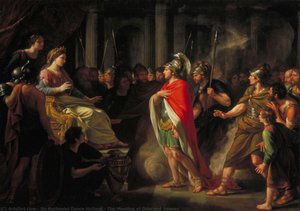
Sir Nathaniel Dance-Holland, a name synonymous with the refined elegance of Georgian portraiture, began his artistic journey as the third son of George Dance the Elder, a prominent architect. This familial connection to the visual arts undoubtedly shaped his early inclinations, but it was his time spent studying under Francis Hayman that provided the initial formal training. However, it was Italy – a perennial destination for aspiring British artists seeking mastery – where Dance truly began to forge his distinctive style. His sojourn on the continent wasn’t merely about acquiring technical skill; it was an immersion into the classical world, a period he would later consciously evoke in his own work. There, amidst the ruins of antiquity and the burgeoning artistic circles, he encountered Angelica Kauffman, a rising star in her own right, and engaged with historic and classical paintings that instilled within him a deep appreciation for idealized form and narrative composition. This early exposure to the principles of the Grand Manner – an aesthetic emphasizing nobility, virtue, and historical allusion – would become a defining characteristic of his mature oeuvre.
The Grand Manner Portrait: Style, Technique, and Societal Reflection
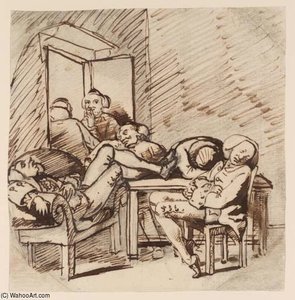 Table Manners
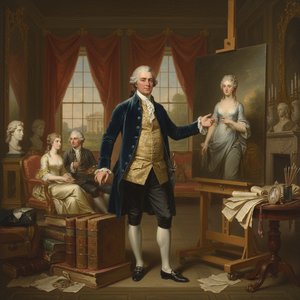
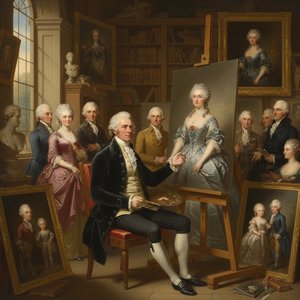
Upon returning to Britain, Dance quickly established himself as a successful portrait painter. His work wasn’t simply about capturing likeness; it was about constructing an image that reflected the sitter's status, character, and aspirations. He embraced the principles of the Grand Manner, elevating his subjects through carefully chosen poses, opulent settings, and symbolic details. Consider Table Manners, a fascinating example of his ability to weave social commentary into a seemingly straightforward portrait. The painting isn’t just a depiction of polite dining; it's a subtle exploration of societal conventions and the performance of gentility. His technique was characterized by meticulous detail, dramatic lighting – often reminiscent of Rembrandt – and a refined color palette that conveyed both richness and restraint. He wasn’t interested in fleeting impressions or emotional intensity; rather, he sought to create portraits that were timeless statements of power and prestige. The visible brushstrokes weren't the goal; instead, Dance aimed for a smooth, polished surface that emphasized form and clarity.
Patronage and the Shaping of Dance-Holland’s Career
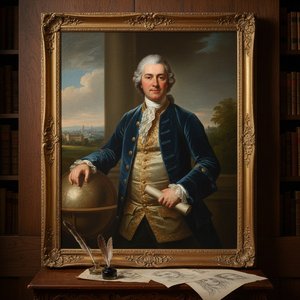
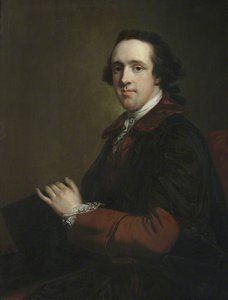
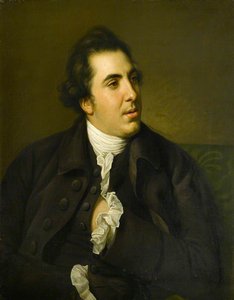 Sir John Russell (1741–1783), 9th Bt
A neoclassical portrait of Sir John Russell by Nathaniel Dance Holland. Admire the dramatic lighting & refined details of this 18th-century gentleman's likeness.
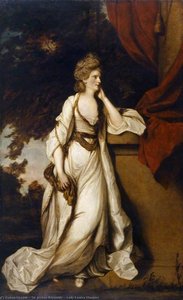
Dance-Holland’s success was inextricably linked to his ability to cultivate powerful patrons. His commissions extended beyond mere aristocracy; he painted King George III and Queen Charlotte, solidifying his position within the highest echelons of society. The portraiture of Sir John Russell (1741–1783), 9th Bt, exemplifies this connection to influential figures. Russell’s likeness wasn't simply a transaction; it was an investment in legacy, a visual assertion of his family’s standing and wealth. Dance understood the language of patronage – the subtle cues, the desired symbolism, the importance of flattery – and he expertly catered to the expectations of his clientele. His membership in the Royal Academy, founded in 1768 alongside his brother George and Hayman, further enhanced his reputation and provided access to a wider network of potential patrons. The Academy offered not only professional validation but also opportunities for exhibition and critical acclaim.
Beyond the Brush: Dance-Holland as Politician and Man of Society
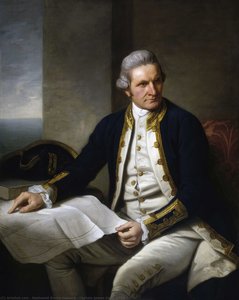
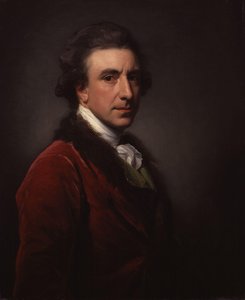 Sir Nathaniel Dance Holland
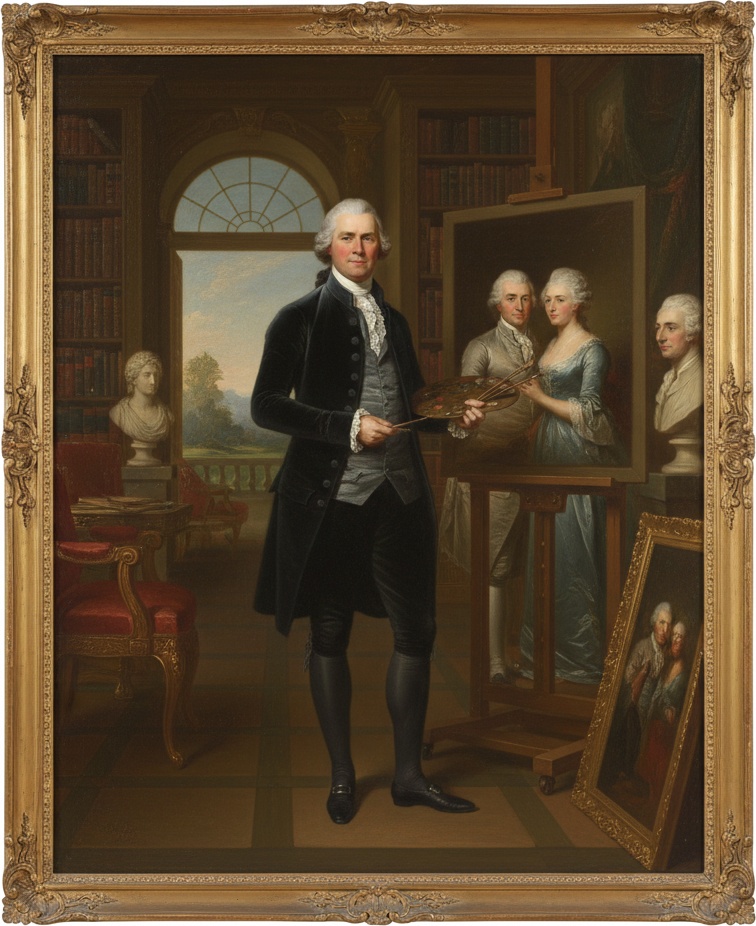
Sir Nathaniel Dance Holland (1735-1811): British painter & politician, renowned for portraits of royalty, Captain Cook, and distinguished figures. Explore his art & legacy!
While celebrated for his artistic achievements, Nathaniel Dance-Holland was far from solely defined by his painting. In 1790, he made a significant shift in his career path, entering Parliament as the Member for East Grinstead. This transition wasn’t entirely unexpected; his social connections and inherent understanding of power dynamics naturally lent themselves to political life. He served this seat until 1802, then moved to Great Bedwyn in Wiltshire, continuing his parliamentary service until 1806. His foray into politics demonstrates a broader ambition – a desire not just to depict the elite but to participate in shaping the society he so skillfully portrayed. This duality—artist and politician—offers a fascinating insight into the complexities of Georgian England, where social status, wealth, and political influence were often intertwined. His baronetcy in 1800 further underscored his elevated position within British society.
Key Works & Lasting Legacy: Defining a Georgian Aesthetic
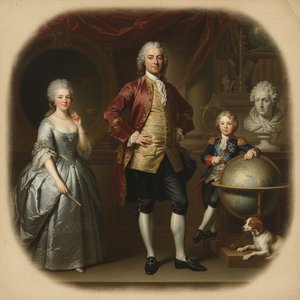
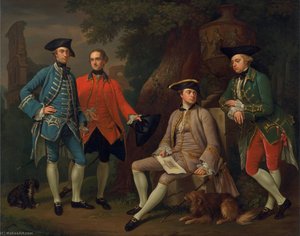
Dance-Holland’s legacy extends beyond individual portraits; it resides in the collective image he helped create of Georgian England. Works like Holland And George Dance, a monochrome sketch offering a glimpse into his artistic process, reveal his dedication to classical study and expressive line work. His group portraiture, such as depictions of families in Rome, captured not just individual likenesses but the dynamics of wealth, status, and social connection. He wasn’t merely recording reality; he was constructing it – shaping perceptions and reinforcing societal norms. While he eventually relinquished his artistic pursuits for a life in politics, his influence on British portraiture remains undeniable. He embodied the ideals of the Grand Manner, creating images that were both aesthetically pleasing and powerfully symbolic. Today, his paintings offer invaluable insights into the lives, values, and aspirations of the Georgian elite, continuing to captivate collectors and art enthusiasts alike.