 Preview
 Send
Send Share
Share
 Details

 Download
 Similars
 X-Ray
X-Ray Diaporama
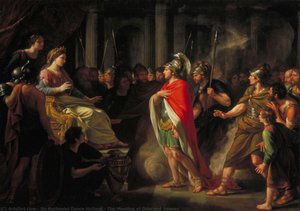
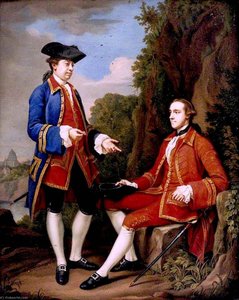
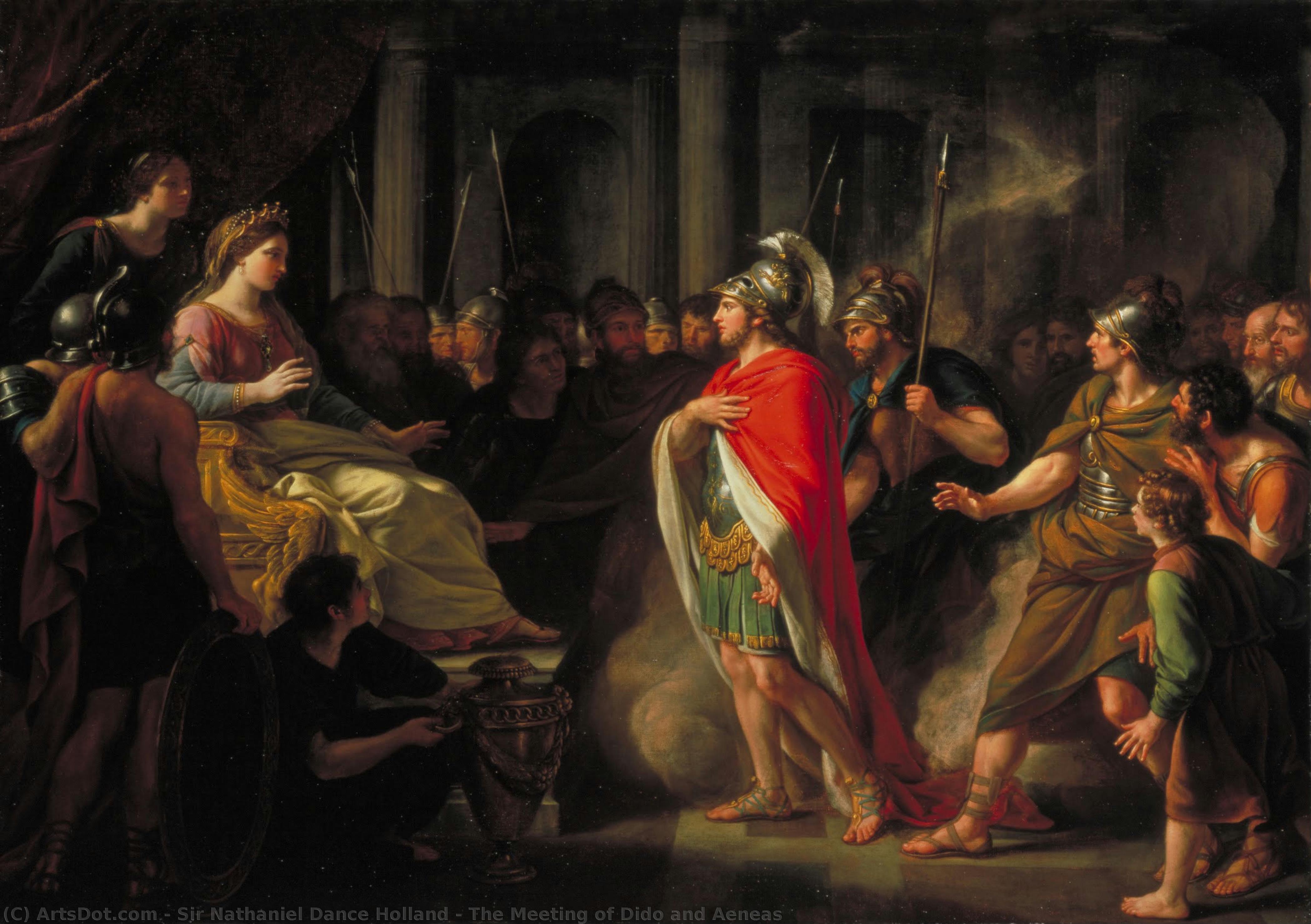
The Meeting of Dido and Aeneas
 Acrylic On Canvas
- WallArt
- Neoclassical Art
 1766
1766 71.0 x 12.0 cm
 Tate Britain
 Read More
Hand Made Oil Reproduction
Hand-painted oil on canvas in your size and frame, made to order by our artists. ( Buy Print Buy Image)




P118B $10

P118H $10

P118W $10

P438Z $10

P508JH $12

P508YH $12

P805H $10

P805Z $10

P919BZ $10

P919G $10

P919XJ $10

P959ZH $10

P968JZ $12

W106C $8

W218G $10

W218JH $8

W218Y $10

W307PJ $10

W316G $10

W316PJ $8

W316Y $10

W398PJ $8

W4111J $10

W500HY $15

W500JH $15

W692G $12

W849H $8

W940BG $15

W953PJ $8




Pick from our preset sizes that match the artwork's original proportions.

You may enter your own dimensions to fit a specific frame or space. If your selected size does not match the original image's proportions, we will either crop the artwork or extend the painting with additional hand-painted elements. A digital mockup will be sent for your approval before production begins.
Please note that the on-screen preview does not reflect the actual cropping or extension. Only the mockup will accurately show the final composition.
While custom sizes are available, we recommend selecting a dimension from the predefined list to preserve the original proportions.
After order, ArtsDot.com team will email client for instructions and provide a mockup preview
Worldwide Delivery () in 3/4 weeks instead of standard 5 weeks. (16 August). No compromise on quality.

Free Worldwide Express Shipping

High-Quality Linen Canvas

Full Shipping Insurance

Customs Tax Refund Guarantee

True Color Matching Guarantee

60-Day Return Policy (Defects Only)

100% Money-Back Guarantee

Bulk Discount Offer
 Glass option is only available in size under 110 CM

The Meeting of Dido and Aeneas
Reproduction Medium
Reproduction Size
-


Total Price
$ 263
Artwork Description
A Dramatic Encounter on Canvas: Sir Nathaniel Dance Holland’s ‘The Meeting of Dido and Aeneas’
Sir Nathaniel Dance Holland's “The Meeting of Dido and Aeneas,” completed in 1766, stands as a testament to the burgeoning neoclassical movement within British art. Exhibited at Tate Britain, this monumental oil painting captures Virgil’s iconic tale – the poignant reunion between Queen Dido of Carthage and Trojan hero Aeneas after his perilous voyage from Troy. More than just a depiction of historical narrative, Holland's work embodies an intellectual preoccupation with classical ideals of grandeur and moral seriousness, reflecting the broader cultural climate of Enlightenment Britain.Composition and Style: Order Amidst Emotion
Holland meticulously crafted a stage-like setting to convey the drama unfolding before the viewer’s eyes. The canvas is dominated by two central figures – Dido, regal in her robes and adorned with jewelry, and Aeneas, dressed as a Roman soldier bearing the scars of battle—engaged in an earnest conversation. Surrounding them are numerous attendants and dignitaries, meticulously arranged to reinforce the sense of formality and importance associated with royal audiences. This deliberate compositional structure aligns perfectly with neoclassical principles, prioritizing clarity and balance over exuberant expression. Holland’s masterful use of perspective contributes to this effect, drawing the eye inwards towards the protagonists while establishing a hierarchical visual order.Technique: Precision and Detail – A Virtuoso Effort
Holland's technique is characterized by remarkable precision and attention to detail. He employed glazing techniques—applying thin layers of translucent paint over underlying colors—to achieve luminous effects and imbue the scene with atmospheric depth. The artist’s meticulous rendering of fabrics, textures, and facial expressions demonstrates a profound understanding of artistic craftmanship. Notably, Holland skillfully captures the subtle nuances of emotion conveyed by Dido and Aeneas' postures and gestures, conveying their palpable vulnerability amidst the solemn grandeur of the occasion. This level of technical accomplishment speaks to Holland’s dedication to mastering his medium and elevating it to new heights of expressive power.Historical Context: Virgil’s Legacy and Neoclassical Ideals
“The Meeting of Dido and Aeneas” draws heavily from Virgil's epic poem *Aeneid*, which recounts the founding myth of Rome and explores themes of duty, exile, and divine providence. Virgil’s narrative served as a cornerstone for neoclassical artistic thought, emphasizing moral virtue and rational contemplation—values championed by thinkers like Voltaire and Rousseau. Holland’s painting reflects these intellectual currents, portraying Dido and Aeneas not merely as historical figures but as embodiments of noble character striving to overcome adversity. The artwork's placement within the Tate collection underscores its significance as a pivotal exemplar of British neoclassical art.Symbolism: Grief, Hope, and Reconciliation
Beyond its narrative content, “The Meeting of Dido and Aeneas” is laden with symbolic meaning. Dido’s sorrowful gaze reflects her profound grief over the loss of Troy and her impending solitude—a poignant reminder of human vulnerability in the face of fate. Conversely, Aeneas' resolute stance symbolizes unwavering determination to fulfill his destiny and secure Rome’s future. The careful positioning of figures and objects contributes to this symbolic resonance, reinforcing the overarching theme of reconciliation between past trauma and present aspiration. Holland skillfully utilizes visual language to communicate complex ideas about human experience and moral responsibility.Emotional Impact: A Moment Frozen in Time
Ultimately, “The Meeting of Dido and Aeneas” succeeds in capturing a moment of profound emotional intensity. The artist’s masterful depiction of facial expressions and body language conveys the palpable tension between sorrow and resolve—a testament to Holland's ability to evoke empathy and contemplation within the viewer. As a reproduction, this artwork continues to inspire admiration for its beauty and intellectual depth, reminding us of the enduring power of classical narratives to illuminate fundamental questions about human existence.Related Artworks
Artist Biography
A Life Bridging Canvas and Command: Sir Nathaniel Dance Holland
Sir Nathaniel Dance Holland, born in London on May 8th, 1735, was a figure whose life embodied the multifaceted spirit of eighteenth-century Britain. He navigated a path that seamlessly blended artistic pursuit with dedicated public service, ultimately becoming a respected painter, a Member of Parliament, and a baronet. His story is one of inherited talent, strategic ambition, and a remarkable ability to adapt to changing times. Dance’s early life was significantly shaped by familial circumstances; the abandonment of his father, James Dance, for a career in theatre and playwriting led to his upbringing under the watchful eye of his paternal grandfather, George Dance the Elder – a prominent architect responsible for much of the City of London's civic design. This grounding in architectural principles would subtly inform Dance’s artistic sensibility, imbuing his compositions with a sense of order and structural integrity. He received his initial artistic training under Francis Hayman, a leading figure in the rococo style, before embarking on an extended period of study in Italy, where he encountered the works of masters like Pompeo Batoni and formed a connection with Angelica Kauffmann – a relationship that hinted at both personal and professional inspiration.From Brush to Parliament: A Dual Calling
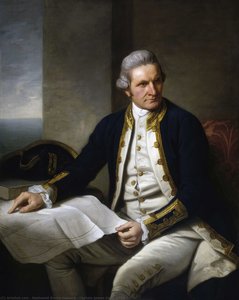
Upon his return to England, Dance quickly established himself as a sought-after portraitist. His talent for capturing the likenesses of prominent figures earned him commissions from royalty, nobility, and celebrated individuals alike. He painted King George III and Queen Charlotte, immortalizing them on canvas with regal dignity. Perhaps one of his most enduring works is the portrait of Captain James Cook, a depiction that captures not only the explorer’s physical presence but also a sense of resolute determination and intellectual curiosity. Dance's artistic prowess was formally recognized in 1768 when he became a founding member of the Royal Academy, solidifying his position within the established art world. However, despite achieving success as an artist, Dance harbored ambitions beyond the realm of painting. In 1790, at the height of his artistic career, he made a surprising transition into politics, successfully contesting the parliamentary seat for East Grinstead in Sussex. This decision marked a turning point in his life, signaling a shift from the aesthetic to the pragmatic – a move that would ultimately define the latter half of his years.Naval Echoes and Artistic Influences
While Dance’s artistic style initially leaned towards the prevailing rococo trends, his work also reveals subtle influences from other sources. The precision and clarity of his compositions suggest an awareness of Dutch Golden Age painting, particularly in his attention to detail and mastery of light. This influence is perhaps not surprising given Britain's strong trade links with the Netherlands during this period and the widespread appreciation for Dutch artistic achievements. Furthermore, Dance’s family history had a significant connection to maritime endeavors; his nephew, Sir Nathaniel Dance (1748-1827), achieved renown as a commander in the East India Company’s naval service, famously distinguishing himself at the Battle of Pulo Aura in 1804. This familial association with the sea likely permeated Dance's artistic consciousness, subtly informing his depictions of naval officers and maritime scenes. His portraits often convey a sense of quiet authority and understated heroism – qualities that resonate with the spirit of British seafaring tradition.Legacy and Remembrance
Dance continued to serve as a Member of Parliament for several constituencies—Great Bedwyn in Wiltshire, and again for East Grinstead—until his death on October 15th, 1811. He was elevated to the baronetcy in 1800, a recognition of his contributions to both art and public life. Though he gradually relinquished his artistic practice after entering Parliament, Dance’s legacy as a painter endures through the surviving examples of his work. His portraits offer valuable insights into the social and political landscape of eighteenth-century Britain, capturing the personalities and aspirations of a generation. Today, his paintings can be found in prominent collections around the world, including the National Maritime Museum in London and the National Gallery of Victoria in Melbourne. The Pybus Family, painted in 1769, remains a particularly celebrated example of his artistic skill, showcasing his ability to create compelling group portraits that reveal both individual character and familial dynamics. Sir Nathaniel Dance Holland’s life serves as a testament to the possibilities of a multifaceted existence—a journey that seamlessly integrated artistic expression with dedicated public service, leaving an indelible mark on British history and culture.Further Exploration
- Art UK: Explore more about Nathaniel Dance-Holland’s life and works: https://artuk.org/discover/artists/dance-holland-nathaniel-17351811
- Wikipedia: A detailed biographical overview: https://en.wikipedia.org/wiki/Nathaniel_Dance-Holland
- Royal Academy of Arts: Discover Dance’s connection to the Royal Academy: https://www.royalacademy.org.uk/art-artists/name/nathaniel-dance-ra
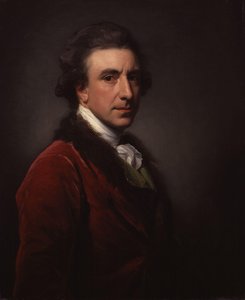
Sir Nathaniel Dance Holland
1735 - 1811 , United Kingdom
Quick Facts
- Artistic Movement Or Style: Portraiture
- Artists Who Influenced This Artist:
- Francis Hayman
- Pompeo Batoni
- Date Of Birth: May 8, 1735
- Date Of Death: Oct 15, 1811
- Full Name: Sir Nathaniel Dance Holland
- Nationality: British
- Notable Artworks:
- Captain James Cook
- Miss Hargreaves
- Thomas Nuthall with a Dog
- Place Of Birth: London, UK
Related Articles
Neoclassical Art: 10 Masterpieces That Shaped History |
Explore 10 defining Neoclassical masterpieces by David, Ingres & Canova. Discover the history, symbolism & artistry behind these iconic paintings and sculptures. Find museum-quality art reproductions at – elevate your home with timeless beauty.

The Revival of Antiquity: Exploring Neoclassical Art's Ideals & Enduring Legacy
Explore the revival of classical ideals in Neoclassical art! Discover Jacques-Louis David & the movement's impact on painting, sculpture & architecture. Expert insights & high-quality reproductions at ArtsDot.
The Revival of Antiquity: Exploring the Neoclassical Movement & its Enduring Legacy
Explore the revival of classical art with our deep dive into Neoclassicism! Discover key artists like Jacques-Louis David, Enlightenment influences & lasting impact on art history. High-quality reproductions at ArtsDot.

The Enduring Legacy of Neoclassical Art: Order, Reason & Antiquity's Revival
Explore the enduring legacy of Neoclassical art! Discover masterpieces by David, Girodet & Garnier. Expert analysis, custom reproductions & art appraisal at ArtsDot.
Jacques-Louis David: Neoclassical Ideals & Revolutionary Witness
Explore the life & art of Jacques-Louis David, leading Neoclassical painter of the French Revolution. Discover iconic works like 'The Death of Marat' and his lasting impact on art history. Expert analysis & high-quality reproductions at ArtsDot.