Dimitris Harissiadis: Witnessing a Nation’s Trauma Through the Lens
Dimitris Harissiadis (1911-1993), known also as Charisiades, D. A., and Harissiadis, D. A., was more than just a Greek photographer; he was a chronicler of a nation’s profound suffering and resilience during two defining periods: the tumultuous “Dekemvrianá” (December Revolution) of 1940 and the harrowing years of Axis occupation in Greece. His work, now meticulously preserved and offered as exquisite hand-painted reproductions by ArtsDot.com, offers an unparalleled window into a nation grappling with political upheaval, civil war, and the brutal realities of wartime existence. Born in Athens, Harissiadis’s artistic journey began not through formal training but through a deeply personal engagement with the events unfolding around him – a commitment to documenting history as it unfolded, unfiltered and raw.
Harissiadis's early career was inextricably linked to his role as a European press correspondent. This position afforded him access to critical moments in Greek history, allowing him to capture images that would forever shape the nation’s collective memory. The “Dekemvrianá,” a coup d’état that led to the exile of King George II and the establishment of a provisional government, provided his initial subject matter – a period of intense political instability and social unrest. Later, during the Axis occupation (1941-1945), Harissiadis documented the desperate conditions endured by the Greek population under Nazi and Fascist rule. These images are not romanticized; they are stark portrayals of poverty, hunger, resistance, and the everyday struggles for survival. His photographs reveal a nation fractured by civil war, battling both external invaders and internal divisions.
What distinguishes Harissiadis’s work is his unique perspective on the Second World War and its aftermath in Greece. Unlike many photographers who focused solely on military campaigns or heroic battles, Harissiadis turned his lens towards the human cost of conflict – the faces of ordinary Greeks caught in extraordinary circumstances. He captured the resilience of the people, their quiet dignity amidst unimaginable hardship, and the subtle acts of resistance that sustained them. His images are imbued with a profound sense of empathy, inviting viewers to connect with the individual stories behind each photograph. He wasn’t interested in grand narratives; he sought to reveal the intimate details of a nation's struggle.
Beyond his documentary work, Harissiadis was an autodidact, developing a distinctive photographic style characterized by its stark realism and evocative use of light and shadow. He possessed a keen eye for composition and a remarkable ability to capture fleeting moments of truth. His subjects ranged from the industrial landscape of Greece – factories, docks, and urban scenes – to portraits of ordinary citizens, offering a nuanced portrayal of Greek society during this turbulent era. His work demonstrates an understanding of how light can shape perception and convey emotion, contributing significantly to the power of his images.
Harissiadis’s photographs have been recognized internationally, with exhibitions at prestigious institutions such as the Museum of Modern Art in New York and the Art Institute of Chicago. These showings underscore the enduring significance of his work – a testament to his commitment to documenting history with honesty and compassion. The hand-painted reproductions offered by ArtsDot.com not only preserve these iconic images but also elevate them, ensuring that Harissiadis’s powerful visual narrative continues to resonate with audiences for generations to come. His legacy lies in providing a vital historical record and a poignant reminder of the human spirit's capacity for endurance in the face of adversity.
Key Works & Historical Context
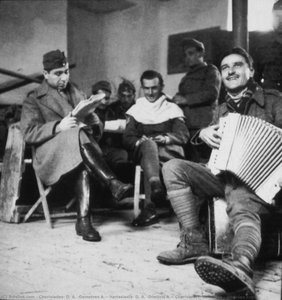
- Albanian Front (1941): A seminal image capturing the brutal realities of the Greek Civil War, showcasing the devastation and suffering inflicted upon civilians. The black-and-white composition powerfully conveys the chaos and despair of the conflict.
- Images from the Axis Occupation (1941-1945): These photographs offer a harrowing glimpse into the daily lives of Greeks under Nazi rule, documenting shortages, resistance efforts, and the pervasive atmosphere of fear.
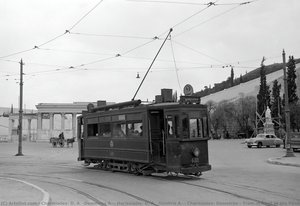
- Industrial Landscapes (Various Dates): Harissiadis’s depictions of Greek factories and docks provide a unique perspective on the nation's industrial development during this period, juxtaposing progress with the hardships of wartime.
Influences & Artistic Style
While Harissiadis was largely self-taught, his work demonstrates an awareness of early 20th-century photography. The stark realism and emphasis on documentary truth align with the principles of photographers like Henri Cartier-Bresson, though Harissiadis’s focus remained firmly rooted in the specific historical context of Greece. His use of light and shadow is reminiscent of classic portraiture, lending a sense of dignity and gravitas to his subjects. His style can be described as observational, capturing moments with immediacy and avoiding manipulation or theatricality.
Legacy & Significance
Dimitris Harissiadis’s photographs are more than just historical documents; they are powerful testaments to the human spirit's capacity for resilience in the face of unimaginable hardship. His work offers a crucial perspective on Greek history, revealing the complexities and contradictions of a nation grappling with political upheaval, civil war, and occupation. The availability of high-quality hand-painted reproductions through ArtsDot.com ensures that these vital images will continue to be appreciated and studied for years to come, serving as a poignant reminder of Greece’s turbulent past and its enduring strength.