early life and education
charles heathcote tatham, a prominent english architect, was born on february 8, 1772, in westminster, london. his academic foundation was laid at
king edward vi grammar school in louth, lincolnshire, until 1788. this period of study provided him with the necessary skills to embark on his professional journey under the guidance of
henry holland, a renowned architect of the time.
notable contributions and legacy
tatham's involvement in projects such as the rebuilding of the theatre royal, drury lane, for richard brinsley sheridan, showcased his burgeoning talent. his publication,
etchings, representing the best examples of ancient ornamental architecture, demonstrates his dedication to the field of ornamental architecture.
museums and art galleries featuring tatham's work
-
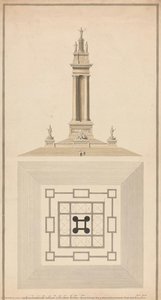
yale center for british art (new haven, united states): this institution houses several of tatham's notable works, including his final design for a naval monument. -
samuel johnson birthplace museum (lichfield, staffordshire, england): while not exclusively featuring tatham's work, this museum offers insights into the cultural context of his time.
key works by charles heathcote tatham: -
final design for a naval monument: plan and elevation (38 x 20 cm,
yale center for british art (new haven, united states), watercolor) -
design for furniture (50 x 66 cm,
william morris gallery (walthamstow, united kingdom), pencil)
importance of tatham's work: charles heathcote tatham's architectural legacy is a testament to his innovative and meticulous approach to design. his works, showcased in various museums, continue to inspire architects and art enthusiasts alike.
view tatham's final design for a naval monument on ArtsDot.com