David Cox: A Life in Landscape
Early Life and Training
- Born: April 29, 1783, in Deritend, Birmingham, United Kingdom.
- David Cox’s father was a blacksmith and whitesmith supplying components to the Birmingham gun trade. His mother, from a farming background, possessed a superior education and strong character.
- He initially enrolled at the academy of Joseph Barber in Great Charles Street, where he met fellow students Charles Barber and William Radclyffe.
- At age 15, Cox became apprenticed to Albert Fielder, a Birmingham painter specializing in portrait miniatures and decorative paintings for objects like snuffboxes. This early training provided him with foundational skills.
Career Development & Artistic Journey
- In 1804, Cox moved to London and married his landlord’s daughter, Mary Ragg.
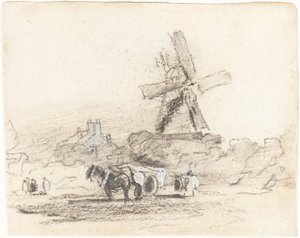
- A pivotal trip to Wales in 1805 with Charles Barber marked the beginning of numerous sketching tours throughout his lifetime. These travels profoundly influenced his artistic style.
- He regularly exhibited at the Royal Academy from 1805, initially earning a living as a drawing master. Colonel Hon. H. Windsor became one of his first pupils in 1808.
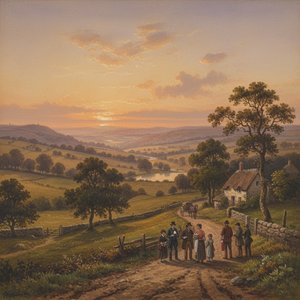
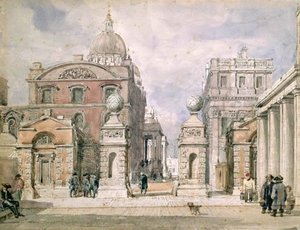
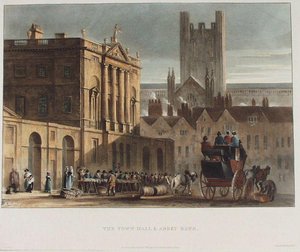
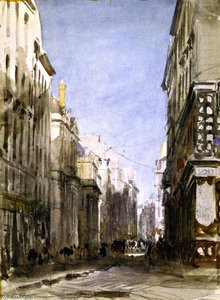
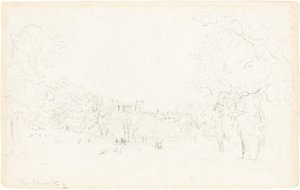
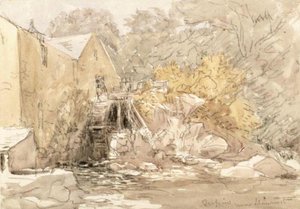
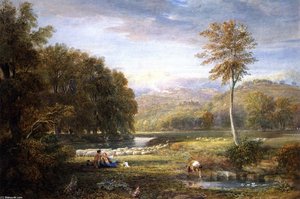
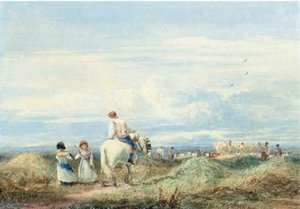
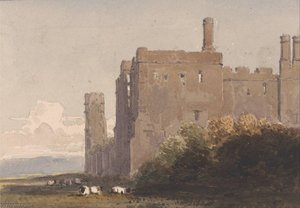
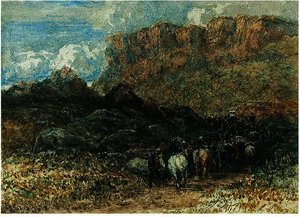
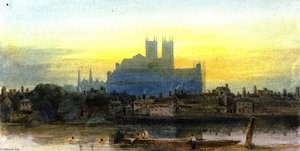
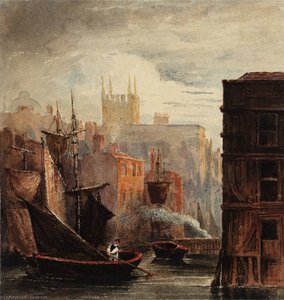
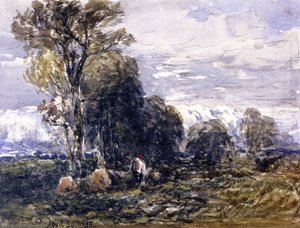
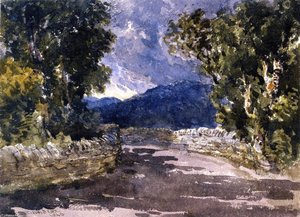
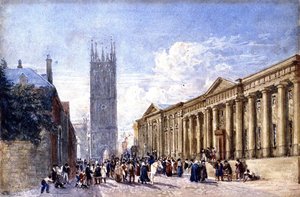
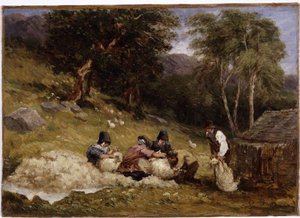
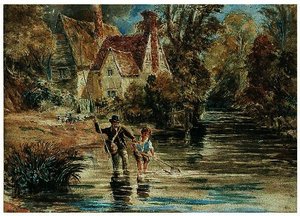
- Cox’s early work focused on detailed watercolor landscapes, often depicting rural scenes and architectural subjects.
Artistic Style & Influences
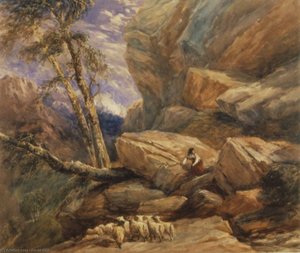
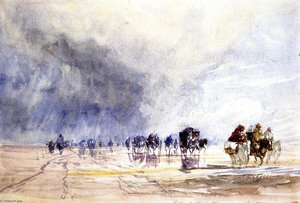
- Cox's style evolved over time. He moved from precise topographical depictions to a more expressive and atmospheric approach.
- Influences: While specific influences are debated, his work demonstrates an affinity for the Dutch landscape painters of the 17th century and a keen observation of nature reminiscent of Constable.
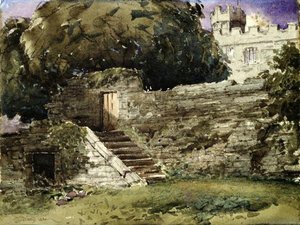
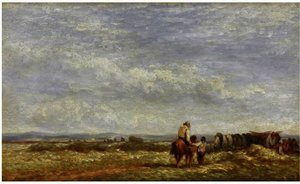
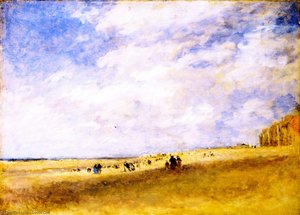
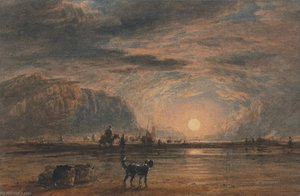
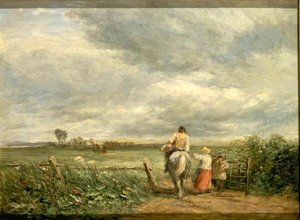
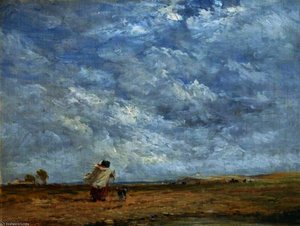
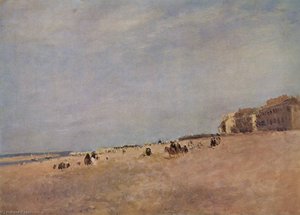
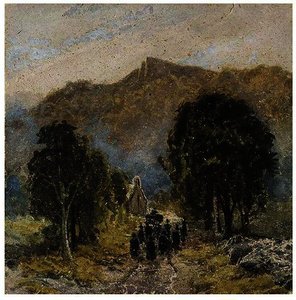
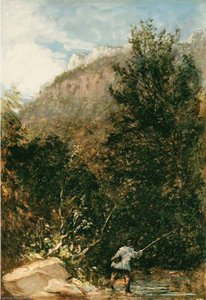
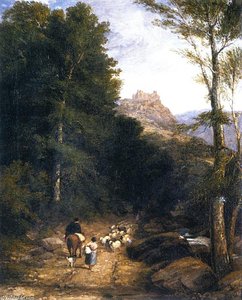
- He became known for his loose brushwork, vibrant colors, and ability to capture the effects of light and weather. His later oil paintings were particularly innovative.
Major Achievements & Legacy
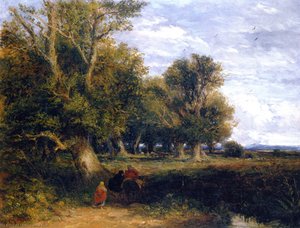
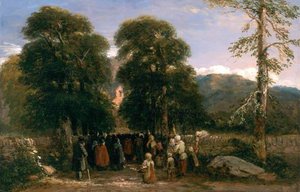
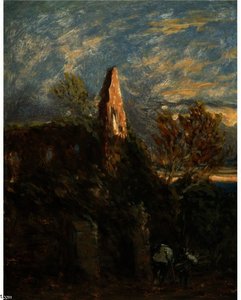
- Cox painted over 300 works in oil towards the end of his career, now recognized as “one of the greatest, but least recognised, achievements of any British painter.”
- He is considered one of the greatest English landscape painters and a major figure of the Golden Age of English Watercolour.
- His work significantly influenced subsequent generations of landscape artists.
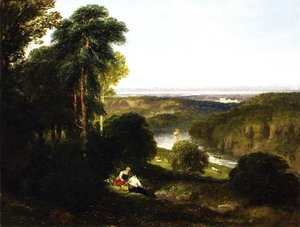
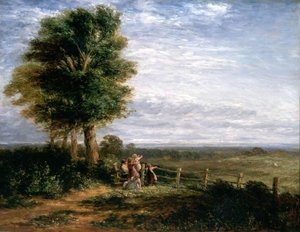
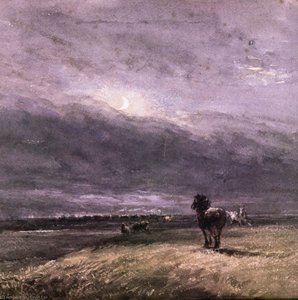
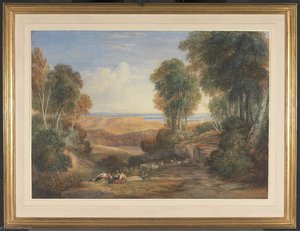
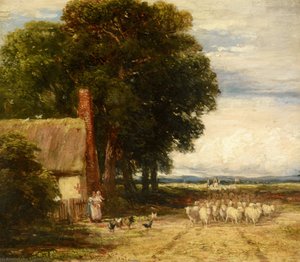
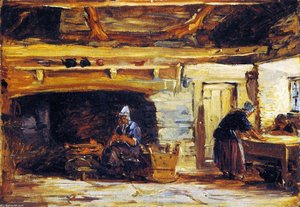
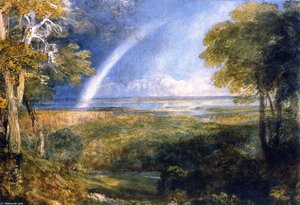
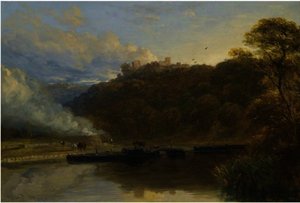
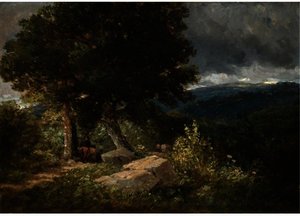
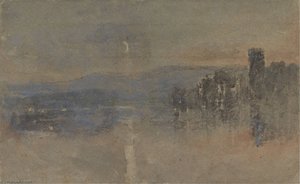
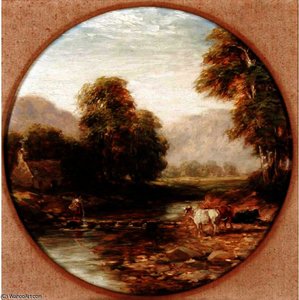
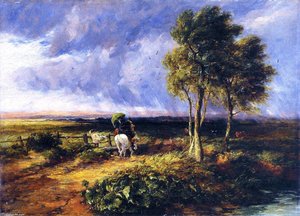
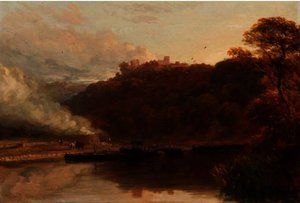
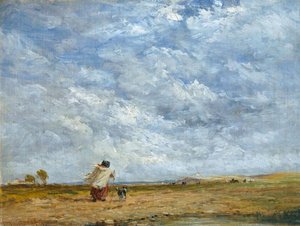
- Notable Works: The Wind on the Heath, Cottage in Herefordshire, Junction of the Severn and the Wye with Chepstow in the distance, and Moonlight Landscape are among his most celebrated paintings.
Historical Significance
- David Cox is recognized as an early precursor to Impressionism. His emphasis on capturing fleeting atmospheric effects and his loose brushwork anticipated many of the techniques later adopted by the Impressionists.
- He played a crucial role in establishing British landscape painting as a distinct genre, moving away from purely topographical representations towards more expressive and emotional interpretations of nature.
- His work continues to be admired for its beauty, sensitivity, and enduring appeal.