Menu
FREE ART CONSULTATION

guccio giovanbattista giacinto dario maria gucci

1881 - 1953

Quick Facts

  • Nationality: Italy
  • Born: 1881, Florence, Italy
  • Lifespan: 72 years
  • Died: 1953
  • Works on APS: 1
  • More…
  • Copyright status: Public domain
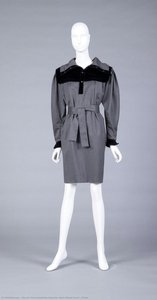
  • Top 3 works: Dress
  • Top-ranked work: Dress
  • Also known as: guccio gucci
  • Art period: Modern

Early Life & Inspiration

Guccio Giovanbattista Giacinto Dario Maria Gucci (1881-1953) emerged from the Tuscan artisan tradition, born in Florence to Gabriello Gucci and Elena Santini. His formative years were marked by a profound connection to craftsmanship—specifically leatherworking—inherited from his father’s trade. This early exposure instilled within him an appreciation for meticulous detail and durable materials, values that would become cornerstones of Gucci's aesthetic philosophy. Notably, his time at the Savoy Hotel in London served as a pivotal catalyst for artistic vision. Observing the elegant travelers and luggage companies frequented by the hotel clientele ignited his imagination, particularly the influence of H.J. Cave & Sons—a company renowned for its luxurious leather goods—inspiring him to envision a brand that embodied sophistication and timeless elegance.

The Founding of Gucci

Driven by this vision, Gucci established his workshop in Florence in 1921 as a modest family enterprise specializing in handcrafted luggage and accessories. Initially catering to the burgeoning equestrian community – Florentine horsemen were particularly discerning about quality—the brand quickly gained recognition for its innovative use of hemp fabric during the economic sanctions imposed on Italy by the League of Nations, demonstrating resilience and ingenuity amidst challenging circumstances. Aldo Gucci’s astute leadership steered the company toward expansion into Rome in 1938, capitalizing on the growing demand for luxury goods among affluent Italians—a trend fueled by the burgeoning glamour of Hollywood and the allure of international travel.

Design Philosophy & Iconic Creations

Gucci's design ethos centered around blending Florentine heritage with contemporary trends. The incorporation of equestrian motifs – symbolized by the knight in armor and the rudder – reflected Gucci’s roots in Tuscan nobility and craftsmanship, while simultaneously projecting an image of dynamism and forward-looking innovation. Key achievements included the introduction of the Bamboo Bag in 1947—a testament to Gucci's ability to adapt to evolving tastes—and the creation of the Flora scarf in 1966—honoring Grace Kelly’s grace and embodying Gucci’s commitment to artistic excellence. These creations solidified Gucci’s reputation as a pioneer of Italian luxury fashion, influencing generations of designers.

Global Expansion & Legacy

Recognizing the potential for international success, Gucci embarked on a strategic expansion plan beginning in 1951 with the opening of its Milan boutique—a deliberate move to attract discerning clientele from across Europe. The brand’s enduring legacy stems from its unwavering dedication to quality materials and meticulous craftsmanship, establishing it as one of Italy's most celebrated fashion houses. By 1953, Gucci had already established a presence in the United States, marking a significant milestone in its global journey—a testament to Guccio Gucci’s foresight and vision for creating a brand that transcended borders. Today, Gucci continues to uphold these traditions under the stewardship of Stefano Cantino and Demna, ensuring that Guccio Gucci's pioneering spirit remains alive within the brand's DNA.

Influence & Recognition

Guccio Gucci’s influence extends far beyond the fashion industry. His commitment to Florentine craftsmanship—a tradition dating back centuries—served as an inspiration for countless artisans and designers, shaping the aesthetic landscape of Italy and establishing Gucci as a symbol of Italian excellence. The brand's enduring popularity speaks volumes about Guccio Gucci's ability to capture the spirit of his time—a period marked by optimism, innovation, and a celebration of beauty—leaving behind a timeless contribution to art history and fashion culture.

Art Quiz

There is only one correct answer for each question.

Question 1:
What inspired Guccio Gucci's initial foray into the luggage industry?
Question 2:
In what year was Gucci founded?
Question 3:
Who is Guccio Gucci's son who played a crucial role in expanding Gucci's business?
Question 4:
What was Gucci initially known for producing?
Question 5:
Which conglomerate acquired Gucci in 1999?