The Nuremberg Crucible: A Convergence of Masters
In the vibrant, bustling heart of Nuremberg, a city poised at the intersection of commerce and culture, Hans Leonhard Schäufelein emerged as a defining voice of the German Renaissance. Born around 1480, his early years were steeped in an atmosphere of unparalleled artistic excellence. He was a child of a milieu shaped by the expressive intensity of Matthias Grünewald and the meticulous craftsmanship of Johann Wohlgemut.
Yet, perhaps no figure loomed larger over his formative development than Albrecht Dürer. As an assistant to Dürer, Schäufelein did more than merely learn a trade; he absorbed a revolutionary approach to precision and compositional balance that would become the hallmark of his mature style. This period of apprenticeship allowed him to bridge the gap between the lingering Gothic traditions and the burgeoning humanist ideals of the High Renaissance, creating a unique aesthetic that married Flemish delicacy with Northern German strength.
A Symphony of Light and Devotion
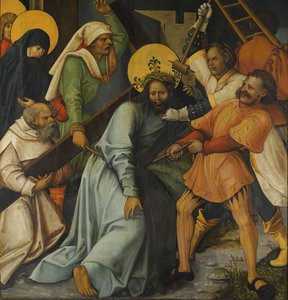
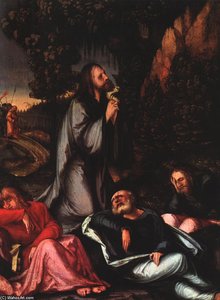
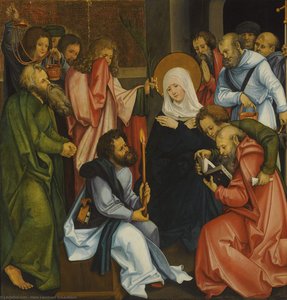
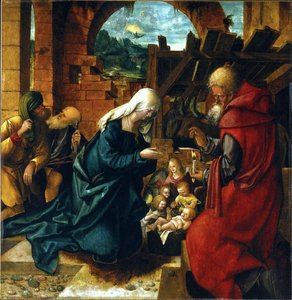
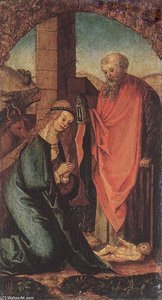
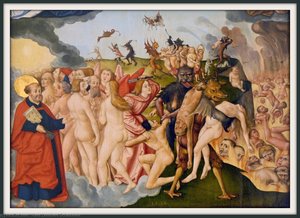
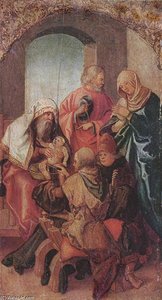
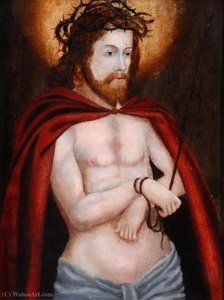
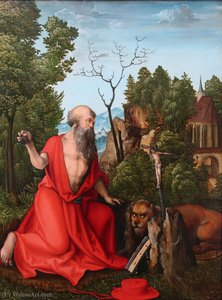
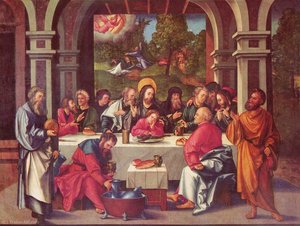
Schäufelein’s brushwork tells a story of profound spiritual depth and technical mastery. His religious compositions, such as the celebrated altarpiece for Ober Sankt Veit or his poignant depictions of The Birth of Christ and The Circumcision of Christ, reveal an artist capable of capturing the divine through the lens of human emotion. Through the skillful application of chiaroscuro, he sculpted figures out of shadow, lending a breathtaking three-dimensionality to his subjects.
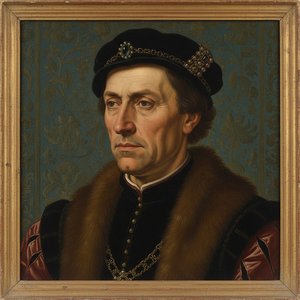
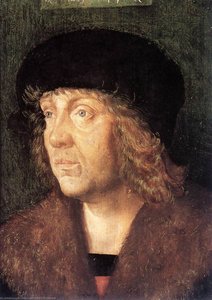
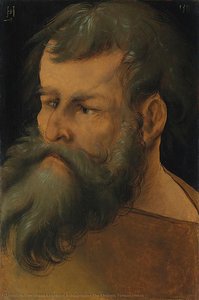
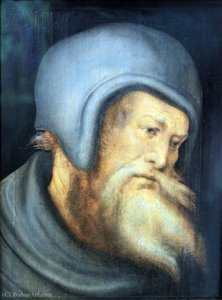
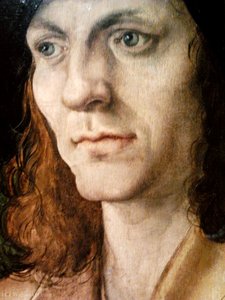
In works like his Portrait of a Man, one can observe how he utilized muted palettes and subtle shading to convey dignity and intellect, reflecting the humanist spirit of his age. His ability to render textures—the softness of skin, the weight of fabric, the coldness of stone—demontains a level of observation that placed him among the elite painters of his era. Whether painting on wood or canvas, his focus remained on the interplay of light and the quiet gravity of his subjects.
The Precision of the Woodcut and the Imperial Vision
Beyond the confines of the easel, Schäufelein proved himself a formidable master of the graphic arts. His talent for wood engraving allowed him to reach audiences far beyond the altarpieces of local churches. Working on major print commissions for Emperor Maximilian I, he contributed to the visual splendor of works like the Weisskunig and the Theuerdank.
His skill in this medium is perhaps most vividly seen in the Tiegeraltar for St. George’s Church in Nordlingen, where his ability to weave dramatic narratives through stark, powerful lines remains a testament to his vision. Whether designing intricate playing cards or executing complex woodcuts, Schäuflein possessed an innate ability to translate grand historical and mythological themes into striking, accessible imagery that resonated across the Holy Roman Empire.
A Legacy of Grace and Detail
The journey of Hans Leonhard Schäufelein represents a vital chapter in the history of European art, marking the moment when Nuremberg's craftsmanship met the intellectual rigor of the Renaissance. His legacy is defined by:
- Artistic Synthesis: The seamless blending of Flemish precision with German expressive power.
- Technical Innovation: The advancement of woodcut techniques for both imperial propaganda and religious instruction.
- Humanist Expression: A focus on the dignity of the individual through masterful portraiture and emotive religious scenes.