Henri Courvoisier Voisin: Capturing Parisian Elegance in the Romantic Era
Henri Courvoisier voisin (1757 – 1830) emerged as a prominent figure in French landscape painting during the Romantic era, skillfully blending neoclassical precision with emotive expression. Born in Paris, he honed his artistic talents under the tutelage of Jean-Baptiste Oudry and Jacques-Nicolas Tardieu, absorbing influences from both academic tradition and emerging naturalistic tendencies. His early works showcased meticulous detail and adherence to classical ideals, reflecting the stylistic preferences of his time—a testament to the enduring legacy of French Beaux-Arts training.
- Early Training & Influences: Oudry’s mastery of botanical illustration instilled in voisin a profound appreciation for observation and accuracy, while Tardieu's emphasis on theatrical composition broadened his artistic horizons.
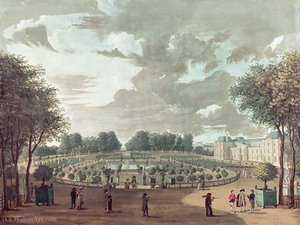
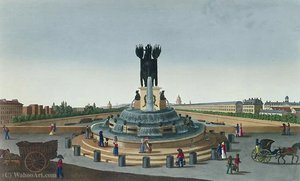
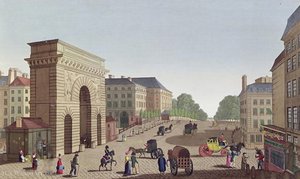
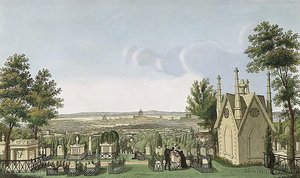
- Notable Landscapes: Courvoisier voisin gained renown for his depictions of Parisian gardens and urban vistas—particularly the Luxembourg Gardens and Place de la Bastille—where he captured atmospheric effects with remarkable subtlety.
The Artistry of Observation: Technique & Style
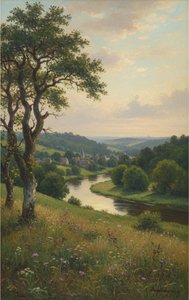
Courvoisier voisin’s distinctive style was characterized by a meticulous approach to rendering light and shadow, achieved through painstaking layering of glazes and scumbles – techniques perfected during his formative years. He skillfully employed atmospheric perspective—a cornerstone of Romantic landscape painting—to convey depth and realism, transporting viewers into the serene beauty of Parisian parks and squares. His canvases pulsated with vibrant colors, reflecting the Impressionist movement’s burgeoning fascination with capturing fleeting moments of sensory experience.
- Glazing Technique: Courvoisier voisin's glazing technique—applying thin layers of translucent paint—created luminous surfaces that mimicked the natural radiance of sunlight filtering through foliage.
- Atmospheric Perspective: He skillfully utilized atmospheric perspective to simulate depth and create a sense of spaciousness, mirroring the Romantic preoccupation with sublime landscapes.
Iconic Parisian Views & Artistic Legacy
Courvoisier voisin’s paintings cemented his reputation as one of Paris's foremost landscape artists—particularly for his evocative portrayals of the Luxembourg Gardens and Place de la Bastille. These works stand as enduring symbols of Parisian grandeur and tranquility, capturing the spirit of a bygone era. His meticulous attention to detail and masterful execution continue to inspire admiration among art historians and collectors alike.
- Luxembourg Gardens: Courvoisier voisin’s depiction of the Luxembourg Gardens exemplifies Romantic idealism—a harmonious blend of natural beauty and aristocratic refinement.
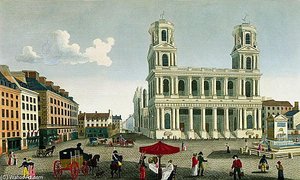
- Place de la Bastille: His portrayal of Place de la Bastille captures the dynamism of Parisian life during the Napoleonic period, reflecting the turbulent social upheavals that shaped 19th-century France.
Recognition & Influence
Courvoisier voisin’s artistic achievements were acknowledged by his contemporaries and secured his place within the annals of French art history. His work served as a catalyst for subsequent generations of landscape painters—who embraced Romantic principles of emotional expression and atmospheric observation—solidifying his enduring legacy as a pivotal figure in shaping the aesthetic sensibilities of the era. He remains celebrated for his contribution to capturing the essence of Parisian life and elevating landscape painting to new heights of artistic sophistication.
- Contemporary Recognition: Courvoisier voisin’s paintings were exhibited at the Salon, garnering critical acclaim and establishing him as a respected artist within Parisian intellectual circles.
- Romantic Influence: His stylistic innovations profoundly impacted Romantic landscape painters—who adopted his techniques of glazing and atmospheric perspective to convey emotion and grandeur.
Notable Works
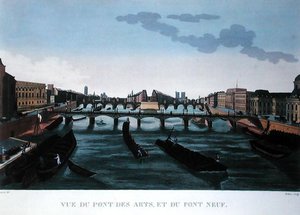
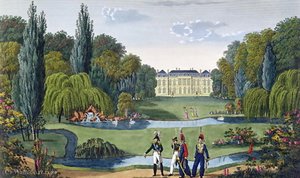
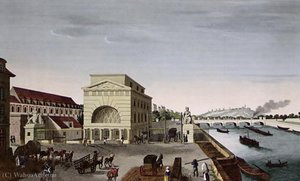
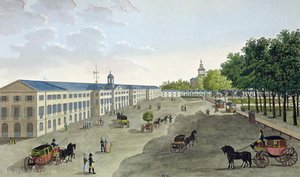
Among Courvoisier voisin’s most celebrated paintings are “The Elysee Bourbon,” a breathtaking watercolor capturing the elegance of Parisian aristocracy, and “Pont des Arts & Pont Neuf,” an engraving showcasing the charm of Paris's historic bridges. These artworks exemplify his mastery of technique and artistic vision—testaments to his enduring contribution to French landscape art.