A Master of Miniature Worlds: The Life and Legacy of Mikhail Perkhin
The name Fabergé conjures images of breathtaking Imperial Easter eggs, jeweled masterpieces that epitomize Russian luxury and artistry. While Peter Carl Fabergé is rightly celebrated as the visionary behind this opulent world, the hands that brought many of his most iconic creations to life belonged to Mikhail Evlampievich Perkhin. Born in 1860 in the humble village of Okulovskaya, nestled within Russia’s Olonets Governorate, Perkhin's journey from rural obscurity to becoming chief workmaster of the House of Fabergé is a testament to his exceptional talent and dedication. His story isn’t merely one of technical skill; it’s a narrative interwoven with the evolving artistic sensibilities of late Imperial Russia and the demands of a discerning clientele, including the Romanov dynasty itself.
From Village Craftsman to Court Jeweler
Perkhin's early life offered little indication of the extraordinary path he would forge. His father was a peasant belonging to a class exempt from certain duties due to ancestral service to the monarch, and his upbringing centered around the local Orthodox Church—a hub of community life where ornate iconostases and icons sparked a nascent artistic sensibility within the young boy. Literacy came through the village deacon, Father Matvey Mattheus, who instilled in Perkhin not only reading and writing but also a deep appreciation for religious art. This foundation proved crucial as he began to experiment with metalwork, likely under the tutelage of the local blacksmith. At eighteen, driven by ambition, Perkhin ventured to St. Petersburg, seeking apprenticeship within the bustling world of goldsmithing.
He quickly found a position in Erik Kollin’s workshop, honing his skills over six years before becoming a journeyman and marrying Tatiana Vladimirovna Finikova, daughter of another prominent workmaster, Vladimir Iakovlevich Finikov. By 1886, Perkhin had established himself as a master craftsman with his own workshop, poised to make an indelible mark on the artistic landscape of the capital. It was at this pivotal moment that Carl Fabergé recognized Perkhin’s exceptional talent and appointed him Chief Workmaster, initiating a transformative period for the firm.
The Modernization of Fabergé: A New Aesthetic
Fabergé's decision to replace Kollin with Perkhin wasn’t simply a change in personnel; it signaled a deliberate shift in artistic direction. The prevailing trend among St. Petersburg jewelers favored ostentatious displays of wealth, prioritizing material extravagance over refined design and craftsmanship. Fabergé, however, envisioned his firm as a haven for *artists* rather than mere retailers—a place where artistry took precedence. Perkhin became the driving force behind this vision.
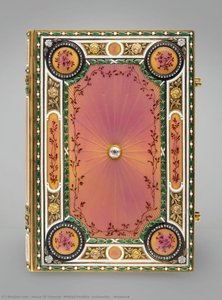
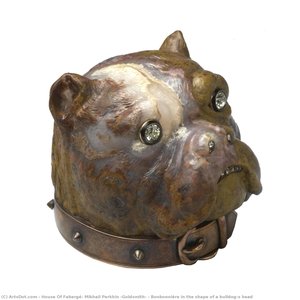
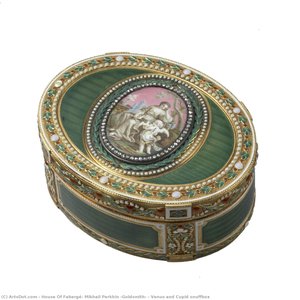
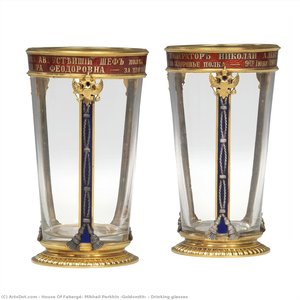
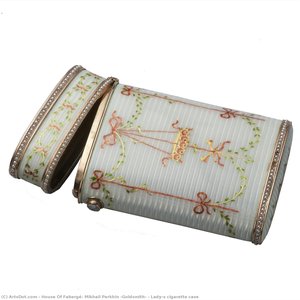
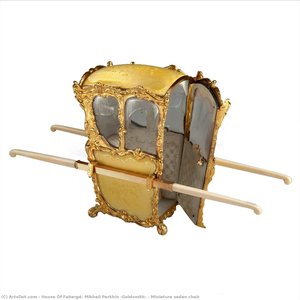
He steered production towards objects that reflected contemporary life while retaining the elegance of past centuries. Snuffboxes gave way to cigarette cases and compacts, decorative trinkets were replaced with functional items like table clocks and ink bottles—all executed with unparalleled artistry. This focus on design innovation, coupled with Fabergé’s meticulous attention to detail, cemented the firm's reputation for creating unique and highly sought-after pieces.
The Imperial Eggs: A Legacy in Miniature
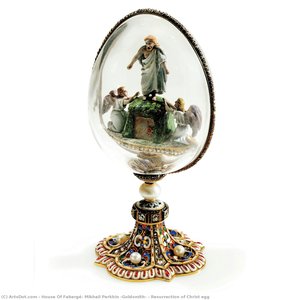
Perkhin’s most significant contribution undoubtedly lies in his supervision of the creation of the Imperial Easter eggs. Appointed “Supplier by Special Appointment to the Imperial Court” in 1885, Fabergé began crafting these annual gifts for the Romanov emperors. From 1886 until his untimely death in 1903, Perkhin oversaw every aspect of their production, ensuring that each egg was a testament to exquisite craftsmanship and imaginative design.
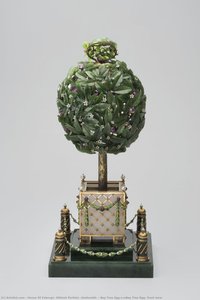
While Fabergé conceived the overall concepts, it was Perkhin who translated these ideas into reality. He managed a team of skilled artisans, coordinating the work of enamelers, gem-setters, clockmakers, and other specialists. The eggs he oversaw—such as the Bay Tree Egg, with its intricate jade and amethyst detailing—are not merely objects of beauty; they are miniature worlds unto themselves, encapsulating symbolism, technical brilliance, and a profound understanding of artistic tradition.
Historical Significance and Enduring Influence
Mikhail Perkhin’s influence extended far beyond the walls of the Fabergé workshop. He played a crucial role in elevating Russian jewelry to an international level, captivating European aristocracy with his innovative designs and unparalleled craftsmanship. His dedication to preserving historical styles while embracing contemporary aesthetics redefined luxury artistry.
The tragic events of the October Revolution brought an abrupt end to the House of Fabergé’s reign, but Perkhin's legacy continues to inspire awe and admiration. Today, his creations are treasured as masterpieces of art history, embodying a golden age of Russian craftsmanship and serving as enduring symbols of opulence, innovation, and artistic excellence. His story reminds us that even within the grand narrative of celebrated artists like Fabergé, it is often the skilled hands—the unsung heroes—who truly bring visions to life.