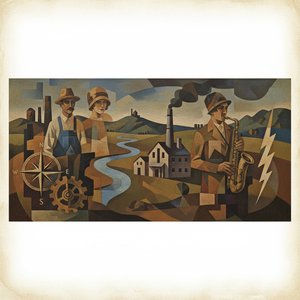
The Soul of the American Landscape
Born amidst the rugged, wooded expanses of Grayling, Michigan, James Harrison emerged not merely as a chronicler of events, but as a profound poet of the earth itself. His early years, deeply rooted in the textures of the American Midwest, provided the essential palette for a career defined by an intimate, almost spiritual connection to the wild. To engage with Harrison’s work is to wander through a landscape where every rustle of leaves and flow of river carries the profound weight of human experience. His prose possesses a raw, unyielding texture, blending the visceral reality of the natural world with a deeply moving, often melancholic, introspection that captures the very essence of the American spirit.
A Tapestry of Words and Wilderness
Throughout his prolific journey, Harrison demonstrated an unparalleled ability to weave the delicate threads of human mortality into the grand, untamed tapestry of the natural world. His most celebrated literary achievements, such as the epic Legends of the Fall and the hauntingly beautiful Dalva, serve as enduring monuments to his narrative prowess. In these works, the boundaries between the individual and the environment frequently dissolve; characters are sculpted by the seasons, the hunt, and the unforgiving wilderness that surrounds them. His literary development was marked by several key thematic pillars:
- The Human Condition: A relentless exploration of love, loss, and the inevitable passage of time.
- Nature as a Living Force: The portrayal of the American landscape not merely as a backdrop, but as an active participant in the human drama.
- The Lyricism of Prose: A unique ability to infuse even his most grounded essays with a poetic, almost painterly sensibility.
An Enduring Global Legacy
Though his life reached its conclusion in the high, arid beauty of Patagonia, Arizona, Harrison’s literary voice remains vibrantly resonant across the globe. His work has been translated into more than twenty languages, a testament to the universal truth found within his explorations of nature and the human heart. As an essayist for prestigious publications such as The New Yorker and Esquire, he brought a sense of rugged elegance to the American literary canon. He leaves behind a legacy that transcends simple storytelling, offering instead a way of perceiving the world—a method of observing our surroundings with both a sharp, observant eye and a tender, enduring reverence for the ephemeral beauty of life.