Jean-Charles François & Marie-Catherine François: Masters of the 'Manière de Crayon'
Early Life and Training
- Origins: Jean-Charles François was born in Nancy, France in 1717. He spent his life working alongside his wife, Marie-Catherine François, forming a formidable artistic partnership.
- Artistic Roots: Born into a family with artistic inclinations, Jean-Charles received early training in the art of engraving. This foundational education would prove crucial to his later innovations.
- Mentorships: He honed his skills under the guidance of several prominent artists, including Robert Menge Pariset, Gilles Demarteau, and Jean Martial Frédou. These collaborations exposed him to diverse techniques and styles.
Artistic Development & The 'Manière de Crayon'
- A Revolutionary Technique: Jean-Charles François is most celebrated for the invention and promotion of the ‘manière de crayon’ (crayon manner). This technique aimed to replicate the look and feel of chalk or crayon drawings through engraving.
- How it Worked: The 'manière de crayon' involved a unique combination of etching and engraving, allowing for subtle tonal variations and delicate lines that mimicked the spontaneity of drawing. It required exceptional skill and precision.
- Marie-Catherine’s Role: Marie-Catherine François played an integral role in this process, often painting the original images which Jean-Charles then expertly translated into engravings.
Major Achievements & Style
- Reproducing Master Drawings: The couple’s work focused on creating high-quality reproductions of existing drawings. This made art more accessible to a wider audience and allowed for the preservation of important works.
- Portraiture & Rococo Aesthetics: Their engravings frequently depicted portraits, often reflecting the elegance and refinement of the Rococo period. They captured the fashionable styles and aristocratic subjects prevalent in 18th-century France.
- Notable Work: A prime example of their skill is the engraving of La Plage d'Ambleteuse by Carolus-Duran, demonstrating their ability to capture detail and atmosphere.
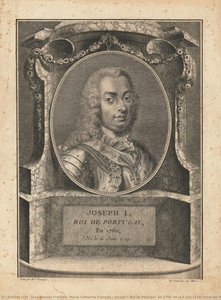
- Royal Commissions: They received commissions from prominent figures, including royalty, further solidifying their reputation. An example is the engraving of Joseph I, Roi de Portugal.
Historical Significance & Legacy
- Impact on Engraving: The ‘manière de crayon’ technique had a lasting impact on the world of engraving. It influenced subsequent generations of artists and expanded the possibilities of printmaking.
- Accessibility of Art: By producing high-quality reproductions, Jean-Charles and Marie-Catherine François contributed to the democratization of art, making it available beyond the elite circles of collectors and patrons.
- Preservation of Artistic Heritage: Their engravings served as important records of artworks that might otherwise have been lost or forgotten.
- Present Day Recognition: Today, their works are held in esteemed collections such as the Musée des Beaux-Arts de Carcassonne and the Musée Antoine Lécuyer, continuing to inspire art enthusiasts and scholars.