The Vibrant Soul of the Slovakian Countryside
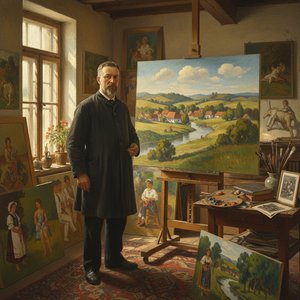
Born in the historic town of Špišská Nová Ves, Slovakia, in 1885, Jenő Szepesi-Kuszka emerged as a painter whose brush captured the very essence of the Central European landscape. Growing up within a family steeped in artistic tradition, his path toward the canvas was almost predestined. This early immersion in the world of aesthetics provided him with a unique sensitivity to light and form, allowing him to develop a visual language that would eventually resonate far beyond the borders of his homeland. His formative years were defined by a deep connection to the natural world, a theme that would remain the heartbeat of his entire oeuvre.
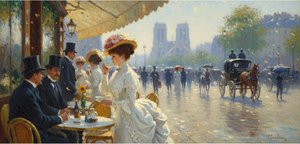
His formal education at the Szépművészeti Múzeum served as the crucible for his technical development. It was here that he refined the skills necessary to translate the fleeting moments of nature into permanent, emotive works of art. As his talent matured, Szepesi-Kuszka began to move beyond mere representation, embracing a style characterized by bold brushstrokes and a vibrant palette. His work often mirrored the Impressionist movements sweeping through Europe, yet it maintained a distinct regional character, rooted in the serene and idyllic scenes of the Slovakian countryside that he knew so intimately.
Artistic Vision and Influential Echoes
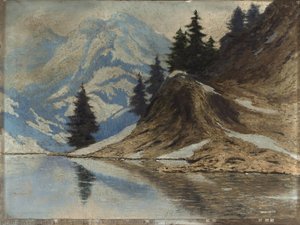
The artistry of Jenő Szepesi-Kuszka cannot be understood without acknowledging the profound influences that shaped his vision. He drew significant inspiration from the works of legendary Hungarian painters, most notably László Mednyánszky. From Mednyánszky, Kuszka inherited a mastery of atmosphere and a way to imbue landscapes with a sense of poetic melancholy and depth. This influence is visible in how he manipulated light to create mood, turning a simple rural vista into a profound meditation on time and nature.
His technique was never static; rather, it was an evolving dialogue between the artist and his environment. While his landscapes often evoke a sense of peace, there is an underlying energy in his application of paint. The thick, confident strokes create a tactile quality that invites the viewer to experience the texture of the earth and the movement of the wind. This mastery of color allowed him to capture the shifting seasons of Slovakia, from the lush, sun-drenched greens of summer to the more muted, somber tones of late autumn.
A Legacy Captured in Color
Beyond the sweeping vistas, Szepesi-Kuszka possessed a remarkable ability to capture the human condition through portraiture and intimate scenes. His work End of Life: Elderly Couple at Night stands as a testament to his emotional depth, offering a heart-wrenching and tender portrayal of old age that transcends simple observation. Similarly, works such as The Man with Cigar demonstrate his ability to command the viewer's attention through character study, showcasing a sophisticated command of light and shadow.
Today, the historical significance of Jenő Szepesi-Kuszka is preserved in prestigious institutions across Slovakia and Hungary. His paintings serve as vital cultural touchstones, found in collections such as:
- The Tatra Gallery in Poprad, Slovakia
- The Szépművészeti Múzeum in Budapest, Hungary
- The Metská Galeria in Bratislava, Slovakia
- The Slovak National Gallery
The legacy of this remarkable painter continues to inspire new generations of artists. Through his ability to blend the grandeur of the landscape with the intimacy of human emotion, Jenő Szepesi-Kuszka remains a celebrated figure whose vibrant colors and soulful compositions continue to captivate the modern imagination.